
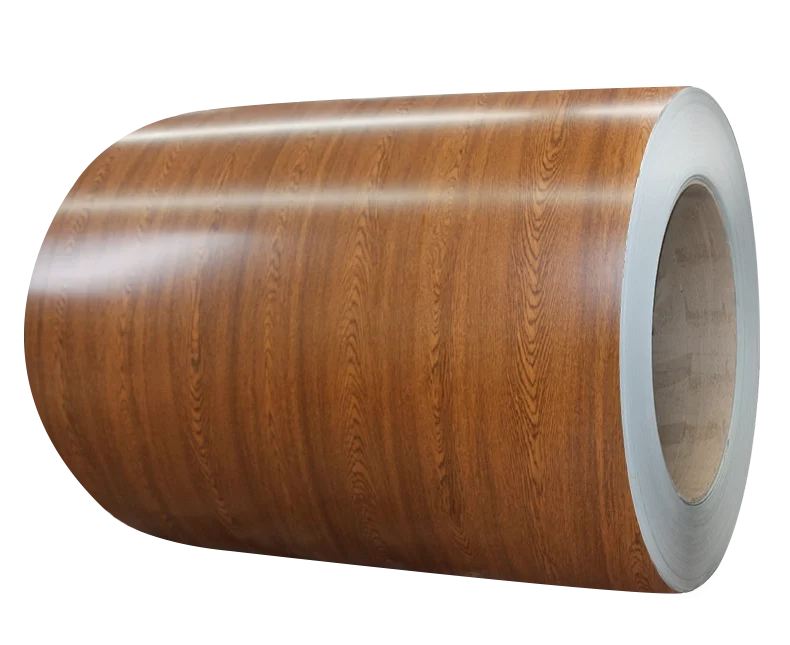
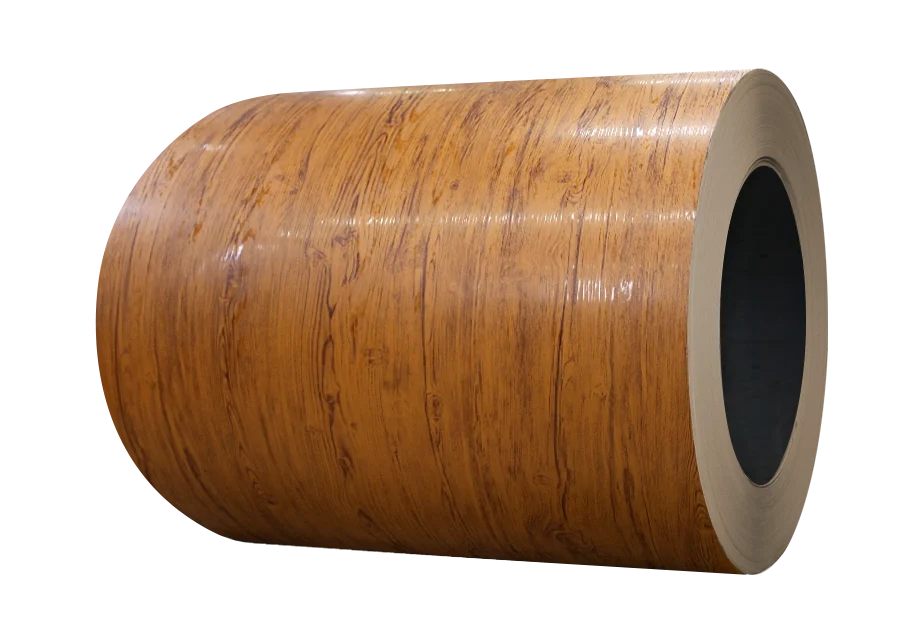
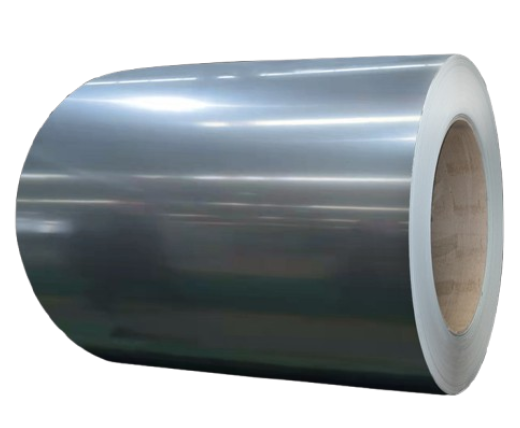
Both PPGI (prepainted galvanized steel) and PPGL (prepainted galvalume steel) are colour-coated steel products manufactured by applying organic paint coatings to metallic-coated steel substrates. However, they differ primarily in the type of metallic coating used. PPGI typically uses zinc-coated galvanised steel, whereas PPGL usually uses a steel coated with a 55% aluminium-zinc alloy, which provides a combination of aluminium’s barrier protection and zinc’s sacrificial corrosion protection. According to ASTM A755/A755M and ASTM A792/A792M, the substrate coating, the organic coating system, and the method of application should be considered together when specifying pre-painted steel for use in buildings and in industry.
What Are PPGI and PPGL?
What Is PPGI?
PPGI stands for pre-painted galvanized steel, or more accurately in modern steel terminology, pre-painted galvanized steel. It is a steel sheet or coil that is coated with zinc through a galvanising process, and then finished with a protective organic coating system.
PPGI is typically produced using a galvanised steel substrate, which is then prepared and undergoes chemical pretreatment, primer application, and topcoat application. The coated steel is then cured in a continuous coil-coating line. The galvanised substrate provides corrosion protection through the zinc coating, which acts as a protective barrier and can also provide sacrificial protection to exposed steel in certain damaged or cut-edge conditions. The paint system adds another layer of protection against moisture, UV exposure, pollutants and environmental deterioration, while offering options for colour, gloss and surface appearance.
Pre-painted galvanized steel is widely used in roofing, wall cladding, residential construction, industrial buildings, appliance panels, steel doors, furniture, ceiling systems and light fabrication. Its performance depends on several variables, including steel grade, zinc coating mass, pretreatment quality, paint formulation, coating thickness, forming conditions, and exposure environment. Therefore, PPGI does not have a single standardised performance level, and different specifications can produce significantly different levels of durability, flexibility, and corrosion resistance.
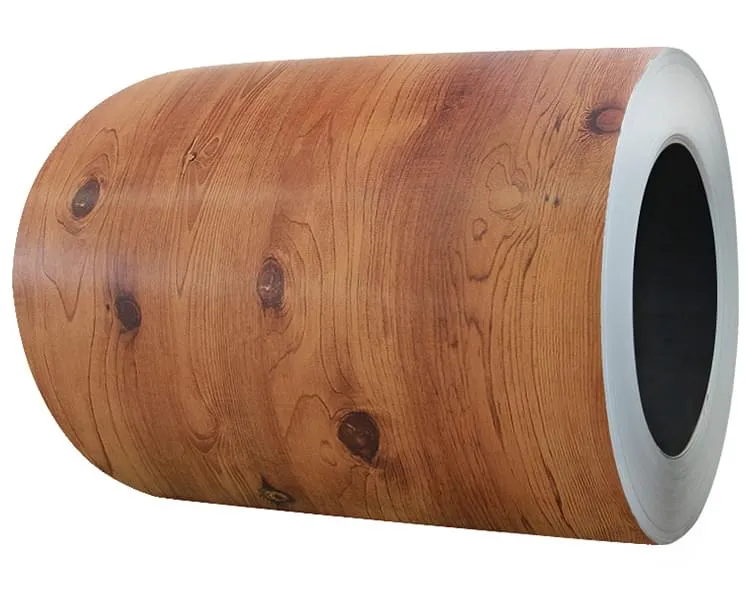
What Is PPGL?
PPGL stands for pre-painted galvalume steel, which is commonly used to refer to pre-painted steel sheets or coils with an aluminium-zinc alloy metallic coating beneath the organic paint system.
PPGL is generally manufactured using steel coated with a 55% aluminium-zinc alloy, commonly referred to as a ‘Galvalume-type’ coating. However, the exact metallic coating designation and chemistry should always be confirmed against the applicable product standard. A commonly used coating composition is approximately 55% aluminium, 43.4% zinc, and 1.6% silicon by weight. The aluminium component provides a barrier against corrosion, zinc offers sacrificial protection, and silicon helps control the formation of the coating and the interface between the steel and the coating.
The prepainting process for PPGL is broadly similar to that for PPGI. The steel substrate undergoes cleaning, pretreatment, primer application, topcoat application, and curing. The coating system is selected according to the intended application and required durability. PPGL is commonly used for roofing, exterior wall cladding, building envelopes, industrial structures, agricultural buildings and other applications where atmospheric corrosion resistance and long-term coating performance are important. Its suitability depends on the metallic coating mass, paint system, edge exposure, forming requirements, and environment, rather than on the alloy composition alone.
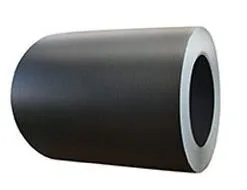
PPGI vs. PPGL: Key Differences
The main difference between PPGI and PPGL lies in the metallic coating applied to the steel substrate before the addition of organic paint layers. While both products can be manufactured to be similar in terms of colour, thickness, surface finish, and coil dimensions, the zinc coating used in PPGI and the aluminium-zinc alloy coating used in PPGL affect corrosion behaviour, cut-edge performance, heat resistance, forming characteristics, and suitability for different environments.
| Comparison Factor | PPGI | PPGL |
| Full name | Pre-Painted Galvanized Steel | Pre-Painted Galvalume Steel |
| Metallic substrate coating | Zinc-coated steel | Aluminum-zinc alloy-coated steel |
| Common coating composition | Predominantly zinc | Typically 55% Al, 43.4% Zn, 1.6% Si |
| Metallic coating designation | Z coating | AZ coating |
| Corrosion protection mechanism | Barrier protection and sacrificial zinc protection | Aluminum-rich barrier protection and zinc sacrificial protection |
| Atmospheric corrosion resistance | Good, depending on zinc mass and paint system | Often better in many atmospheric environments when appropriately specified |
| Cut-edge protection | Generally stronger sacrificial protection at exposed steel edges | Generally less sacrificial edge protection than zinc-coated steel |
| Heat resistance | Suitable for common building applications; depends on coating system | Generally offers better resistance to elevated temperatures at the metallic coating level |
| Paint system | PE, SMP, HDP, PVDF, and other coating systems | PE, SMP, HDP, PVDF, and other coating systems |
| Appearance | Depends on paint system, gloss, color, and substrate finish | Depends on paint system, gloss, color, and substrate finish |
| Typical applications | Roofing, wall panels, appliances, doors, interior and exterior fabrication | Exterior roofing, cladding, high-durability building systems, industrial structures |
| Relative price | Often more economical under comparable specifications | May carry a higher price depending on substrate, coating mass, paint, and market conditions |
The comparison reflects typical commercial products. Actual performance depends on metallic coating mass, organic coating system, forming, exposure conditions, steel grade, and applicable specifications.
- Metallic Coating Composition
PPGI uses galvanised steel, with zinc acting as a protective metallic coating. Zinc provides physical barrier protection and sacrificial electrochemical protection to the steel, meaning it can corrode preferentially and help protect the steel in areas where the coating is damaged. The effectiveness of this protection depends on the mass of the zinc coating, exposure conditions, the geometry of the damaged area, and the presence of corrosive contaminants.
PPGL typically uses a 55% aluminium-zinc alloy coating. Aluminium contributes to the formation of a protective barrier, zinc provides sacrificial protection, and silicon helps control coating formation. This combination provides a different balance of corrosion protection and heat resistance compared to conventional galvanised steel. The coating is commonly identified by AZ designations, such as AZ50, AZ100, or AZ150, or by other coating masses specified by the manufacturer and applicable standard.
- Corrosion Resistance and Outdoor Durability
PPGL is often preferred for exposed roofing and wall cladding because its aluminum-rich metallic coating can provide favorable atmospheric corrosion resistance in many environments. The aluminum component helps develop a protective oxide barrier, which can slow further corrosion under suitable conditions. When combined with an appropriate paint system, PPGL may provide long-term protection in building applications where weather exposure, moisture, and UV radiation are important considerations.
PPGI also provides strong corrosion protection, particularly when the zinc coating mass and organic coating system are properly selected. Zinc can provide sacrificial protection at certain exposed areas, which may be advantageous around scratches, sheared edges, and localized coating damage. However, neither PPGI nor PPGL should be assumed to perform adequately in every corrosive environment without a specification-based assessment. Coastal exposure, industrial pollution, condensation, trapped moisture, aggressive chemicals, and poor drainage can all shorten service life.
- Cut-Edge Protection and Fabrication
Cut-edge corrosion is an important consideration when prepainted steel is sheared, punched, perforated, or formed into components that expose the substrate. PPGI generally provides stronger sacrificial protection at exposed steel edges because, under suitable conditions, zinc can corrode preferentially and protect nearby steel. This makes galvanized substrates advantageous for products with frequent cut edges or localised coating damage.
However, PPGL’s aluminium-rich coating provides strong barrier protection across intact surfaces, but its sacrificial protection at exposed edges is generally less effective than that of a conventional zinc coating. The practical significance of this depends on the edge geometry, metallic coating mass, paint system, environment and product design. For roofing and cladding, cut-edge exposure should be considered during the design, installation and specification of profiles, particularly where sheets are frequently trimmed or where edges remain exposed to moisture.
Forming performance also depends on the substrate grade, coating thickness, paint flexibility, bend radius and processing conditions. Both PPGI and PPGL can be roll-formed, bent, sheared and fabricated when selected for the intended application. However, material substitution should not be based solely on colour or total thickness; the steel grade, coating system and forming requirements must be considered to prevent cracking, coating damage or premature deterioration.
- Heat Resistance and Surface Appearance
PPGL generally offers favorable heat resistance at the metallic coating level because of the aluminum-zinc alloy coating, but the finished product’s temperature tolerance is also governed by the organic paint system. Polyester, silicone-modified polyester, high-durability polyester, and fluoropolymer-based coating systems have different temperature limits, UV resistance, color retention, and chemical resistance. Buyers should therefore confirm the manufacturer’s recommended operating conditions rather than assuming PPGL is suitable for any high-temperature environment.
The surface appearance of PPGI and PPGL is primarily determined by the paint system, color, gloss, coating thickness, substrate surface, and manufacturing quality. Both products can be supplied in a wide range of RAL colors, matte or glossy finishes, textured surfaces, and specialized decorative coatings. Although the underlying metallic substrate may influence certain surface characteristics, the final visual appearance is usually controlled by the organic coating system and finishing process.
How Are PPGI and PPGL Manufactured?
PPGI and PPGL are generally produced through continuous coil-coating processes in which metallic-coated steel is cleaned, chemically pretreated, painted, and cured to create a finished color-coated steel product. The manufacturing process is broadly similar for both materials, but the metallic substrate differs, which influences the coating system’s overall performance.
- Surface Preparation and Pretreatment
First, the steel coil is cleaned to remove any oil, dust, surface contaminants, or residues that could interfere with the adhesion of the coating. Chemical pretreatment is then applied to improve paint adhesion and corrosion resistance. Depending on the manufacturing line and coating technology used, the pretreatment process may include conversion coatings or other surface conditioning systems designed to create a consistent surface for subsequent paint layers.
The quality of pretreatment is particularly important because the reliability of the organic coating depends on the quality of the surface to which it is applied. Poor cleaning, inadequate pretreatment, or contamination can lead to adhesion failure, blistering, peeling, or premature corrosion. Modern coil-coating lines therefore use controlled chemical treatment, drying and inspection processes to ensure the substrate is appropriately prepared.
- Primer and Topcoat Application
After pretreatment, a primer is applied to support adhesion, corrosion resistance, and compatibility with the topcoat. The topcoat provides the finished color, gloss, weather resistance, and additional protection against environmental exposure. A back coating may also be applied to the reverse side of the steel, with its composition and thickness selected according to the intended application, forming requirements, and product specification.
Common coating systems include regular modified polyester (RMP or PE), silicone-modified polyester (SMP), high-durability polyester (HDP), and PVDF-based coatings. Each system offers a different balance of cost, flexibility, UV resistance, chemical resistance, and long-term color retention. Selecting the right coating system is therefore essential for both PPGI and PPGL, particularly when the product is intended for outdoor construction or long-term architectural applications.
- Curing, Inspection, and Finished Coil Production
The coated steel passes through a controlled curing process, which typically involves the use of heating equipment designed to achieve the required coating properties. Once cured and cooled, the coil undergoes inspection for coating thickness, colour consistency, gloss, adhesion, surface defects, and other quality parameters specified by the manufacturer or buyer. Where required, protective film is applied, after which the finished coil is rewound, packaged and prepared for shipment.
Quality control should cover the metallic coating, the organic paint system, steel grade, thickness, width, mechanical properties and surface condition. Relevant tests may include adhesion of the coating, bend performance, impact resistance, hardness, corrosion testing, and colour or gloss measurements. The exact tests and acceptance criteria should be defined according to the applicable product standards and the requirements of the intended application.
What Are the Common Applications of PPGI and PPGL?
PPGI and PPGL are widely used in construction, industrial fabrication, appliance manufacturing, and other sectors requiring a combination of corrosion protection, color, formability, and cost-effective steel processing. The choice between them is influenced by the exposure environment, design requirements, fabrication method, maintenance expectations, and budget.
PPGI Applications
PPGI is commonly used in:
- Roofing and wall cladding: Galvanized substrates with suitable paint systems are used for industrial buildings, commercial structures, warehouses, and residential construction.
- Steel doors and window components: Prepainted galvanized steel can provide corrosion protection, surface appearance, and practical fabrication properties.
- Home appliances: PPGI is used in selected appliance panels, housings, and components where color, surface quality, and fabrication characteristics are important.
- Interior construction: Ceiling panels, partitions, decorative steel components, and other interior applications may use PPGI.
- General fabrication: PPGI can be used for light steel structures, furniture components, cabinets, and fabricated products requiring prefinished steel.
PPGL Applications
PPGL is particularly relevant for:
- Exterior roofing: Aluminum-zinc-coated substrates with suitable paint systems are commonly used in roofing applications requiring atmospheric corrosion resistance.
- Wall cladding and building envelopes: PPGL can be used for exterior panels, architectural cladding, and building systems exposed to weather.
- Industrial buildings: Warehouses, workshops, agricultural structures, and factories may use PPGL for roof and wall panels.
- High-durability construction projects: PPGL may be selected where the combination of metallic coating and organic paint system supports the expected service conditions.
- Hot-climate roofing applications: Its aluminum-zinc substrate may provide favorable heat resistance at the metallic coating level, although roof thermal performance also depends on color, reflectivity, insulation, ventilation, and building design.
How to Choose Between PPGI and PPGL?
Choosing between PPGI and PPGL requires evaluating the complete steel coating system rather than relying on the product abbreviation alone. The appropriate choice depends on the building location, exposure environment, steel grade, metallic coating mass, paint formulation, fabrication requirements, service life expectations, and cost.
| Selection Factor | When PPGI May Be Preferred | When PPGL May Be Preferred |
| Budget | When cost-effective galvanized substrate and paint specifications meet the project requirements | When additional atmospheric corrosion performance justifies the material cost |
| Cut-edge exposure | When sacrificial zinc protection at exposed steel edges is an important consideration | When edge exposure is limited, appropriately protected, or carefully managed |
| Outdoor roofing | When galvanized coating mass and paint system provide suitable protection for the environment. | When the specified aluminum-zinc coating and paint system are suitable for the exposure |
| Fabrication | When the selected galvanized substrate and coating system meet the bending and forming requirements | When the selected PPGL substrate and paint system meet the forming requirements |
| Long-term appearance | When the paint system and galvanized substrate meet the required appearance and maintenance expectations | When a suitable high-performance coating system is selected for the intended exposure |
| Coastal or industrial environment | Only when the complete specification has been assessed for the actual exposure | Only when the complete specification has been assessed for the actual exposure |
| Heat exposure | When the substrate and organic coating system meet the required operating conditions | When the metallic coating and organic coating system offer appropriate temperature performance |
| Construction applications | General building panels, fabricated components, and applications with appropriate exposure requirements | Exterior roofing, cladding, and applications where the selected Al-Zn system is suitable |
Practical Purchasing Checklist
Before placing an order for PPGI or PPGL, buyers should confirm the following technical specifications:
- Steel grade: Specify the required steel grade and mechanical properties, such as yield strength, tensile strength, and elongation where relevant.
- Base metal thickness (BMT): Confirm the steel thickness excluding coating layers, especially for roofing, wall panels, and roll-formed products.
- Metallic coating: Specify Z coating for galvanized steel or AZ coating for aluminum-zinc-coated steel, with the required coating mass and standard.
- Paint system: Identify the required coating type, such as PE, SMP, HDP, or PVDF, according to the exposure environment and performance expectations.
- Paint thickness: Confirm primer, topcoat, and back-coat requirements, including whether thickness specifications are defined per side.
- Color and gloss: Specify the RAL color, gloss level, finish, and any color-matching requirements.
- Forming requirements: Confirm the intended bending radius, roll-forming process, profile design, and fabrication conditions.
- Standards and testing: Specify the relevant standards and required inspection or testing documents, such as coating mass, adhesion, bend performance, and corrosion resistance.
- Packaging and delivery: Confirm coil dimensions, inner diameter, weight, protective film, packaging, and transportation requirements.
When sourcing color-coated steel for roofing, wall cladding, or industrial fabrication, at our Woda New Material recommend evaluating the metallic coating, paint system, base metal thickness, and actual exposure conditions together rather than selecting PPGI or PPGL based solely on the price or product name; this helps buyers align material specifications with project requirements and long-term performance expectations.
Frequently Asked Questions About PPGI and PPGL
Q1: What is the main difference between PPGI and PPGL?
PPGI uses galvanized steel with a zinc metallic coating, while PPGL uses steel coated with an aluminum-zinc alloy, commonly 55% Al-Zn. This difference affects corrosion protection, cut-edge behavior, heat resistance, and application suitability.
Q2: Is PPGL more corrosion-resistant than PPGI?
PPGL generally offers better atmospheric corrosion resistance in many environments because of its aluminum-rich metallic coating. However, PPGI can provide stronger sacrificial protection at exposed steel edges, and actual performance depends on coating mass, paint system, and environmental conditions.
Q3: Which is better for roofing, PPGI or PPGL?
PPGL is often preferred for exposed roofing applications where atmospheric corrosion resistance is an important consideration. PPGI is also suitable for roofing when its metallic coating and paint system are properly specified for the project environment.
Q4: What is the coating composition of PPGL?
Conventional 55% Al-Zn coating typically contains approximately 55% aluminum, 43.4% zinc, and 1.6% silicon by weight. The exact coating composition and designation should be confirmed against the applicable standard and manufacturer’s specification.
Q5: Is PPGI cheaper than PPGL?
PPGI is often more economical than PPGL when comparing products with similar steel grades, paint systems, and dimensions. However, the actual price difference depends on metallic coating mass, paint specification, steel thickness, market conditions, and order quantity.
Q6: Can PPGI and PPGL be used interchangeably?
PPGI and PPGL can sometimes be substituted for each other in certain applications, but they are not automatically interchangeable. Buyers should evaluate corrosion exposure, cut-edge protection, forming requirements, coating specifications, and structural requirements before making a substitution.
Conclusion
Both PPGI and PPGL are prepainted steel products designed to combine the corrosion protection of a metallic coating with the appearance, durability, and functionality of an organic coating. The primary difference between them is their metallic substrate coating: PPGI uses zinc-coated galvanised steel, whereas PPGL generally uses aluminium-zinc alloy-coated steel. This distinction affects atmospheric corrosion resistance, cut-edge behaviour, heat resistance and the suitability of each product for different environments.
PPGL is favoured for exterior roofing and cladding applications where atmospheric corrosion resistance is important, while PPGI remains a versatile, cost-effective option for construction, fabrication, appliances and many other general applications. However, neither material is universally superior. The performance of prepainted steel depends on the complete coating system, including steel grade, metallic coating mass, pretreatment, primer, topcoat, coating thickness, fabrication, installation, and environmental exposure.
The most reliable approach for steel buyers, contractors, architects, and manufacturers is to compare complete material specifications rather than relying on PPGI or PPGL terminology alone. Selecting the appropriate steel grade, metallic coating, paint system, thickness, and fabrication requirements can enhance durability, minimise maintenance needs, and optimise long-term project performance.