

Quick Answer
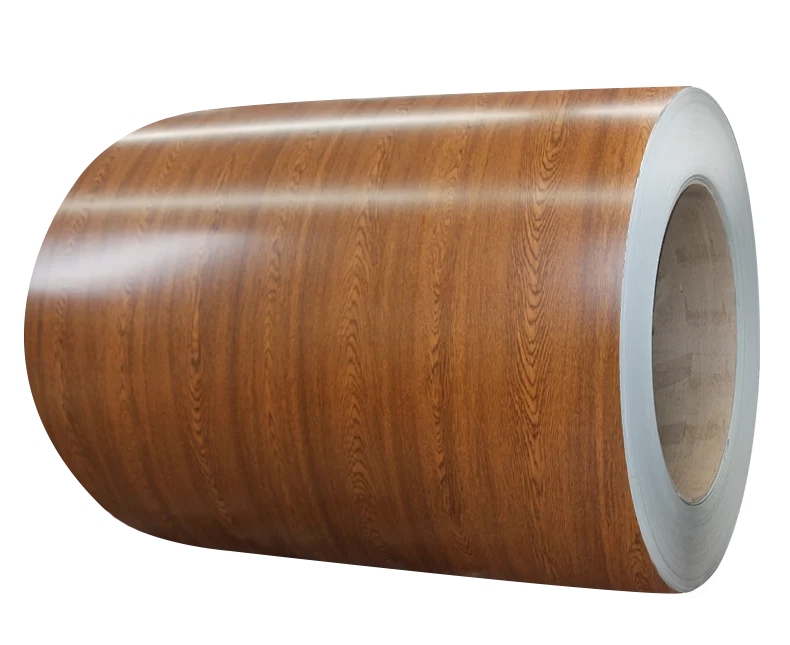
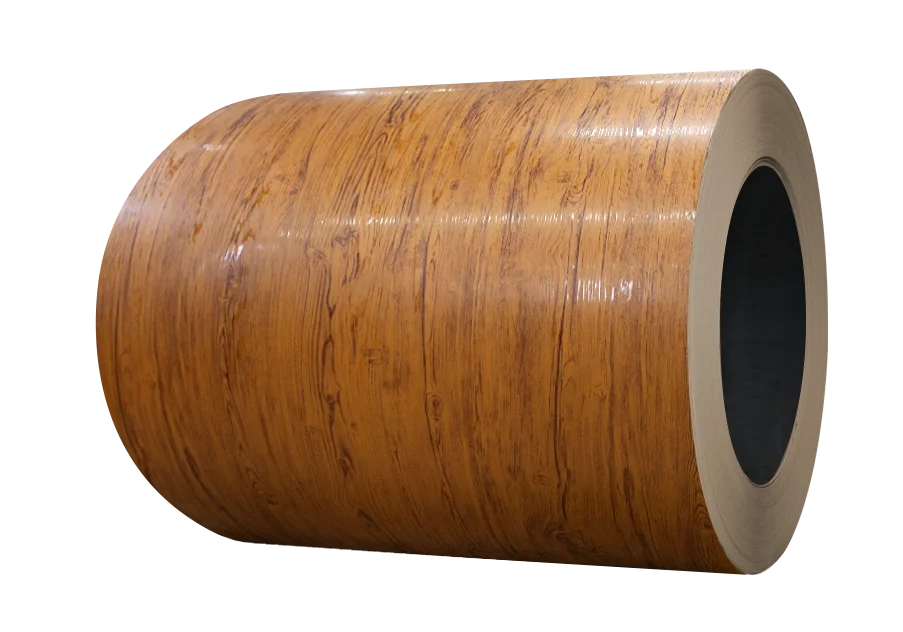
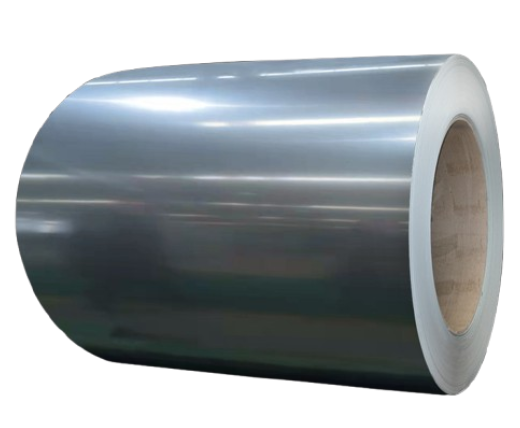
Prepainted galvanized steel, often called PPGI (pre-painted galvanized iron/steel), is a coil-coated steel product. It is made by applying one or more organic paint layers to a galvanized steel substrate with a zinc protective coating. In practice, it combines the corrosion protection of galvanized steel with the colour, weather resistance, and durability of an engineered paint system.
This is why it is widely used in roofing, wall cladding, home appliances, doors, ceilings, and fabricated building components. According to EN 10169 and the European Coil Coating Association’s (ECCA) industry guidance, prepainted metal is produced in a continuous coil-coating process involving cleaning, chemical pretreatment, primer application, finish coating, and curing. These steps are designed to improve the product’s appearance, corrosion resistance, and long-term performance.
What Is Prepainted Galvanized Steel?
If galvanised steel is the workhorse of corrosion protection in modern sheet metal manufacturing, then prepainted galvanised steel is a more refined, application-ready version of the same concept. Rather than sending bare galvanised sheet to a downstream fabricator for cutting and forming, followed by painting, manufacturers coat the galvanised substrate in coil form on a continuous production line. The result is steel that carries a controlled, factory-applied paint system before being stamped, roll-formed, bent, or assembled into the final part. This is why the product is called prepainted galvanized steel: the galvanizing provides the anti-corrosion metallic layer, and the prepainting adds an engineered organic coating for improved appearance and durability.
This is important because many end-use sectors no longer view steel as purely a structural material. In sectors such as roofing, façade systems, appliance panels, clean decorative interiors, and consumer-facing building products, the surface is part of the product value. Buyers care about colour retention, gloss stability, scratch resistance, formability, chalk resistance, stain resistance, and long-term corrosion behaviour, not just tensile strength or thickness. Prepainted galvanized steel meets this demand by transforming steel into a semi-finished, performance-oriented material rather than a bare substrate requiring wet painting or powder coating after fabrication.
In the market, the product is commonly abbreviated as PPGI, although naming conventions vary by region. Some suppliers use ‘colour-coated galvanised steel’, others ‘pre-coated galvanised steel’, and still others ‘coil-coated galvanised steel’. While the exact wording differs, the core concept remains the same: a galvanized steel base protected by a zinc layer and finished with a factory-applied organic coating system. Understanding this layered structure is key to understanding both its performance and cost.

The Basic Structure of Prepainted Galvanized Steel
To understand what prepainted galvanised steel is, it helps to think of it as an engineered system made up of multiple layers rather than a single material. Each layer has a different function, and the final performance depends on how those layers work together rather than on any one component alone.
At the centre is the base steel, which is usually a cold-rolled steel strip selected according to the required strength, formability, and dimensional tolerance. On top of this sits the zinc coating, which is applied by hot-dip galvanising. This zinc layer is critical because it provides galvanic or sacrificial protection: if the steel becomes exposed through a cut or small scratch, the zinc can corrode preferentially to help protect the underlying steel. After galvanising, the strip undergoes cleaning and chemical pretreatment to prepare the surface for strong coating adhesion and improve corrosion performance. The next layers are typically a primer coat, followed by a topcoat on the exposed side and a thinner backcoat or backing paint on the reverse side, depending on the intended application. Both ECCA’s explanation of prepainted metal and the EN 10169 coil-coating definition emphasise that this is a continuous process involving pretreatment, one- or two-sided coating, and curing.
It is this layered construction that enables PPGI to perform so differently from bare galvanized steel. Galvanized sheet resists corrosion better than uncoated carbon steel on its own, but it still has a metallic appearance and limited decorative value. Once a primer and topcoat are added, however, the steel gains a more controlled surface colour, better barrier protection against moisture and chemicals, and a finish tailored to its intended use. For example, a roofing panel may prioritise weather resistance and UV durability, whereas an appliance panel may prioritise gloss, stain resistance, and formability, and an indoor ceiling system may prioritise clean aesthetics and moderate corrosion resistance at a lower cost. While the substrate remains consistent, the coating system varies.
What Makes Prepainted Galvanized Steel Different from Ordinary Galvanized Steel?
At first glance, pre-painted and ordinary galvanised steel may seem like variations of the same product, and in a broad sense, they are. Both begin with steel protected by a zinc coating. However, the real difference is that prepainted galvanized steel is not just galvanized steel with a decorative colour on top; it is a more integrated product designed to provide both corrosion protection and performance of the finished surface.
Ordinary galvanized steel is primarily selected for basic corrosion resistance. It is often used in structural or utility applications where appearance is secondary or where the buyer intends to paint, laminate, or fabricate the sheet later. Prepainted galvanized steel, by contrast, is selected when the material needs to arrive with a finished surface already in place. This changes the value proposition. A manufacturer of building products using PPGI for roofing sheets, rainwater systems, wall cladding, or garage doors, for example, can often skip a separate painting stage after forming. This reduces process steps and improves production efficiency. Similarly, a home appliance producer can source a coated sheet with a specific colour, gloss, and coating performance level to match the final product line.
Another important difference lies in the design of the coating system. Galvanized steel mainly provides protection through zinc. PPGI, however, protects through a dual mechanism: the zinc provides sacrificial protection, while the paint system acts as a barrier against moisture, UV exposure, dirt, and chemicals. This layered approach explains why prepainted galvanized steel is so prevalent in visible exterior and interior applications. It’s not just about aesthetics; it’s about creating a corrosion and surface performance package tailored to specific applications.
Key Performance Benefits of Prepainted Galvanized Steel
The popularity of prepainted galvanized steel is not based on color alone. It is based on the fact that the material solves several manufacturing and performance problems at once. For the right application, it can simplify production, improve surface consistency, and reduce lifecycle maintenance compared with less integrated material choices.
-
Corrosion Resistance with an Additional Barrier Layer
The first and most obvious advantage is corrosion protection. Galvanized steel already performs better than uncoated carbon steel because the zinc layer delays rust formation and offers sacrificial protection. Prepainting adds another layer of defense by reducing the direct exposure of the zinc surface to moisture, oxygen, industrial pollutants, and UV-driven weathering. In other words, the paint system does not replace galvanizing; it works with it. This is especially valuable in roofing, cladding, rainwater goods, and outdoor fabricated components where the material may face years of temperature cycling, condensation, and atmospheric corrosion.
However, performance is not determined by the words “prepainted galvanized steel” alone. Zinc coating mass, pretreatment quality, primer type, topcoat chemistry, coating thickness, installation environment, and cut-edge exposure all influence service life. A thin, low-cost coating system for interior decorative use should not be expected to behave like a high-durability exterior system designed for demanding climates. Buyers comparing suppliers should always ask not only for the product name, but also for zinc coating class, paint system type, total dry film thickness, and intended service environment.
-
Factory-Finished Appearance and Better Color Consistency
Another major advantage is appearance control. Because PPGI is coated on a continuous line under controlled industrial conditions, it usually offers more consistent color, gloss, and surface finish than many post-fabrication painting methods. This matters in architecture and appliances, where visible surface quality is a purchasing criterion rather than a minor detail.
For example, a commercial façade project may require color consistency across multiple production batches, while an appliance manufacturer may need a specific white, silver, or black tone to match a product family. Coil coating makes that possible at scale. It also opens the door to textured, matte, high-gloss, wrinkle, embossed, or special-effect finishes, depending on the coating system and supplier capability. That design flexibility is one reason prepainted galvanized steel is now used not only in industrial buildings but also in consumer-facing and architecturally visible products.
Common Coating Systems Used on Prepainted Galvanized Steel
Not all pre-painted galvanised steel is coated with the same paint chemistry, and this is where many purchasing mistakes originate. Buyers sometimes only compare two products by thickness or price, without recognising that the coating system itself may be the biggest performance variable.
Common topcoat systems in the market include polyester (PE), silicone-modified polyester (SMP), polyvinylidene fluoride (PVDF), and polyurethane (PU), as well as other speciality systems. Polyester is widely used because it strikes a balance between cost, appearance, and general outdoor performance for many building products. SMP often improves weatherability and durability in more demanding environments. PVDF is associated with higher-end architectural applications where long-term colour retention, chalk resistance, and UV stability are especially important. Different systems also vary in terms of hardness, flexibility, stain resistance, and formability. This means that the ‘best’ coating depends on the final application rather than marketing labels alone.
This is also where supplier engineering comes into play. For example, a roofing panel manufacturer in a humid coastal climate, a cold-storage building component supplier, and a household appliance producer may all purchase ‘pre-painted galvanised steel’, but they should not automatically purchase the same coating system. Some suppliers, including Woda New Materials, offer application-specific choices such as substrate options, coating selection, and decorative finish requirements for their prepainted galvanized and color-coated steel products, rather than selling a one-size-fits-all sheet. The correct approach is to view the material not as generic coloured steel, but as a specification-driven product.
Where Is Prepainted Galvanized Steel Used?
The reason prepainted galvanized steel has become such a widely specified material is that it serves both functional and aesthetic roles across multiple industries. It is not limited to roofing or decorative panels, even though those are the most visible examples. In practice, PPGI is used anywhere manufacturers need a steel sheet that can be formed, cut, profiled, and assembled while still maintaining an attractive surface and a reliable corrosion-protection system.
- In the construction sector, prepainted galvanized steel is one of the core materials for roofing sheets, wall cladding, garage doors, rainwater systems, sandwich panel skins, rolling shutters, suspended ceilings, and prefabricated building components. These applications benefit from the combination of relatively low weight, good formability, weather resistance, and color consistency. A roofing manufacturer, for example, may buy PPGI coil and roll-form it into corrugated sheets or standing-seam profiles without needing a separate painting step. That shortens production flow and improves finish consistency across large batches. ECCA identifies buildings as one of the major end-use sectors for prepainted metal, alongside appliances, transport, and general industry, which reflects how deeply coil-coated steel is embedded in modern building-product manufacturing.
- The home appliance industry is another major user. Refrigerator panels, washing machine casings, microwave outer shells, water heater covers, and certain HVAC housings often use prepainted steel because it combines decorative quality with industrial productivity. Appliance manufacturers need clean, repeatable surfaces with controlled gloss, good stain resistance, and adequate flexibility for stamping and bending. Bare galvanized steel would still need finishing later, while post-painted components can introduce additional process variation, handling risk, and cost. Coil-coated sheet allows appliance brands to standardize surface appearance before fabrication begins.
- PPGI is also used in light industrial and general fabrication applications such as partitions, doors, cabinet panels, warehouse systems, agricultural structures, and some transport-related components. The exact material specification changes by application, but the commercial logic is similar in each case: instead of buying bare steel and then building a separate painting operation into the production flow, the manufacturer buys a finished substrate engineered to meet a specific performance target. That is why the question “What is prepainted galvanized steel?” is really also a question about how manufacturers want to build products more efficiently.
Prepainted Galvanized Steel vs. Other Coated Steel Options
A common source of confusion in the market is that buyers often compare PPGI, ordinary galvanized steel, post-painted steel, and PPGL as if they were interchangeable. They are related, but they are not the same product, and they do not perform the same way in every environment.
Ordinary galvanized steel is essentially steel with a zinc coating for corrosion protection. It is a good material for many structural or hidden applications, and it may be painted later if needed. However, it does not come with the same controlled decorative finish or engineered organic barrier system as PPGI. If a buyer needs only sacrificial corrosion protection and plans to process or paint the part later, galvanized steel may be enough. If the buyer wants a ready-to-use surface with controlled color, gloss, and added weatherability, PPGI is usually the more logical choice.
Post-painted steel is another alternative. In this route, the steel is formed first and painted later. That can work well for certain fabricated components, especially when the part geometry is too complex for coil-coated material or when the producer needs very specialized finishing after assembly. But for large-volume building products and appliance panels, post-painting often adds extra handling, extra process steps, and more opportunities for appearance inconsistency. Coil-coated prepainted galvanized steel reduces that complexity by applying the finish before fabrication under controlled line conditions.
Then there is PPGL, or prepainted galvalume / prepainted Al-Zn coated steel, which uses an aluminum-zinc alloy metallic coating instead of a pure zinc galvanized coating. PPGL is often chosen where improved heat reflectivity or stronger long-term corrosion performance in certain outdoor environments is required, although the exact choice depends on design details, coating system, and exposure conditions. In simple terms, PPGI and PPGL are cousins rather than twins: both are prepainted coil-coated steels, but their metallic coating layers differ.
| Material Type | Base Protection System | Main Strength | Typical Use Cases |
| Galvanized Steel (GI) | Zinc coating on steel | Basic corrosion resistance, lower cost | Structural parts, utility fabrication, hidden components |
| Prepainted Galvanized Steel (PPGI) | Zinc coating + primer/topcoat system | Corrosion resistance + decorative finish + factory-coated consistency | Roofing, wall cladding, doors, appliances, ceilings |
| Prepainted Galvalume Steel (PPGL) | Al-Zn metallic coating + paint system | Enhanced outdoor durability in many exposed environments, especially where heat/atmospheric performance matters | Roofing, façades, premium exterior building products |
| Post-Painted Steel | Paint applied after fabrication | Flexibility for complex fabricated parts and project-specific finishing | Fabricated equipment housings, custom metalwork, special assemblies |
This comparison matters because many disappointing field results are caused not by “bad steel” in the abstract, but by specifying the wrong coated steel system for the job. A buyer who needs long-term exterior durability in a corrosive coastal environment should not choose a material based only on the cheapest coil price. Likewise, a buyer making interior partition panels should not overspecify a premium weathering system if the service environment does not justify it. Good purchasing begins with matching the substrate, metallic coating, paint system, and service environment.
What Specifications Matter Most in a PPGI Purchase?
When a buyer requests a quotation for prepainted galvanized steel, the request should ideally describe performance intent, not just “send me a color-coated steel price.” In practical procurement terms, the most useful specification checklist usually includes:
Base steel grade and thickness
Galvanized substrate type and zinc coating mass
Topcoat / back coat system
Topcoat and back-coat dry film thickness
Color standard or finish requirement
Application type (roofing, wall cladding, appliance, ceiling, shutter, etc.)
Service environment (indoor, industrial, humid, coastal, high UV)
Forming requirements (roll-forming, bending radius, stamping severity)
This matters because “0.5 mm prepainted galvanized steel” is not a full technical description. A 0.5 mm roofing-grade PPGI for a dry inland market and a 0.5 mm façade-grade PPGI for a corrosive marine environment may require very different coating packages. The visible sheet may look similar on the day it leaves the factory, but its field performance over five, ten, or fifteen years can be completely different.
| Selection Factor | Why It Matters | What to Ask the Supplier |
| Zinc coating mass | Influences baseline corrosion protection and cut-edge durability | What is the galvanized coating class (e.g., Z-value / gsm)? |
| Topcoat chemistry | Determines UV resistance, chalking, fade resistance, flexibility, and weatherability | Is it PE, SMP, HDP, PVDF, PU, or another system? |
| Paint thickness | Affects barrier protection, appearance, and sometimes durability | What are the topcoat and back-coat dry film thicknesses? |
| Application environment | Coastal, industrial, humid, or interior conditions require different specifications. | Is this system recommended for exterior roofing, façade, appliance, or indoor use? |
| Fabrication method | Coating flexibility must match bending, stamping, or roll-forming requirements. | Will the coating tolerate the planned forming radius and processing route? |
The best PPGI purchasing decisions usually come from treating the material as a coating system plus substrate system, not as a generic colored coil. That mindset is what separates a technically correct specification from a price-only purchase.
Frequently Asked Questions About Prepainted Galvanized Steel
- What is prepainted galvanized steel used for?
Prepainted galvanized steel is used for products that need both corrosion resistance and a finished decorative surface. Common applications include roofing sheets, wall cladding, sandwich panels, garage doors, rainwater systems, suspended ceilings, rolling shutters, appliance panels, and some light industrial fabricated parts. Its popularity comes from the fact that it arrives already coated and ready for forming, which can reduce downstream painting steps and improve appearance consistency.
- Is prepainted galvanized steel the same as color-coated steel?
In many markets, the terms are used very closely, and PPGI is often described as a type of color-coated steel. Strictly speaking, prepainted galvanized steel refers to a product where the substrate is galvanized steel and an organic coating system has been applied in a continuous coil-coating line. “Color-coated steel” is broader language and may also include other metallic substrates such as galvalume / Al-Zn coated steel.
- What is the difference between PPGI and PPGL?
The main difference is the metallic coating under the paint. PPGI uses a galvanized (zinc-coated) steel substrate, while PPGL uses a galvalume / aluminum-zinc coated substrate. Both can be excellent products, but they are not interchangeable in every application. The better choice depends on environmental exposure, required durability, cost targets, and the specific coating system used on top.
- Is prepainted galvanized steel better than galvanized steel?
It depends on the application. If the goal is only basic corrosion resistance for a non-visible or later-painted component, ordinary galvanized steel may be sufficient. If the application needs a finished surface, color control, added barrier protection, and faster downstream manufacturing, prepainted galvanized steel is usually the better option. It offers the corrosion resistance of galvanized steel plus the added performance and appearance benefits of a factory-applied coating system.
- How long does prepainted galvanized steel last?
There is no single universal lifespan because performance depends on zinc coating mass, paint chemistry, coating thickness, fabrication quality, installation design, and service environment. A well-specified PPGI system used in an appropriate environment can deliver many years of service, but an under-specified product used in a harsh coastal or industrial atmosphere may fail much earlier. Buyers should evaluate durability in terms of the complete coating system rather than expecting all PPGI to perform the same way.
- What should I check before buying prepainted galvanized steel?
At a minimum, buyers should confirm the base steel thickness, zinc coating mass, topcoat / back coat type, paint thickness, intended application, and service environment. It is also wise to discuss forming requirements if the material will be bent, stamped, or roll-formed. In other words, the purchase decision should be based on a full technical specification, not just on color and price.
Conclusion
So, what is prepainted galvanised steel? Put simply, it is galvanised steel that has been upgraded to become a finished, application-ready material through a continuous coil-coating process. In practical manufacturing terms, however, it is much more than just ‘painted steel’. It is a layered engineering system in which the steel substrate provides strength, the zinc coating provides sacrificial corrosion protection, and the primer and topcoat system deliver barrier protection, aesthetic appeal, and performance for its intended use. This combination explains why PPGI has become the material of choice for roofing, wall systems, appliances, ceilings, doors, and many other fabricated products.
The most important thing for buyers and specifiers to remember is that not all prepainted galvanized steel is the same. Final performance depends on the interaction of the substrate, zinc mass, pretreatment, primer, and topcoat chemistry, coating thickness, fabrication method, and installation environment. Therefore, the smartest way to buy PPGI is not to ask “What is the cheapest prepainted galvanized steel?”, but rather “Which coating system and substrate combination best fits the real service conditions of my product?”. Once this question has been answered correctly, prepainted galvanised steel becomes one of the most efficient, versatile, and commercially valuable coated steel materials available today.