
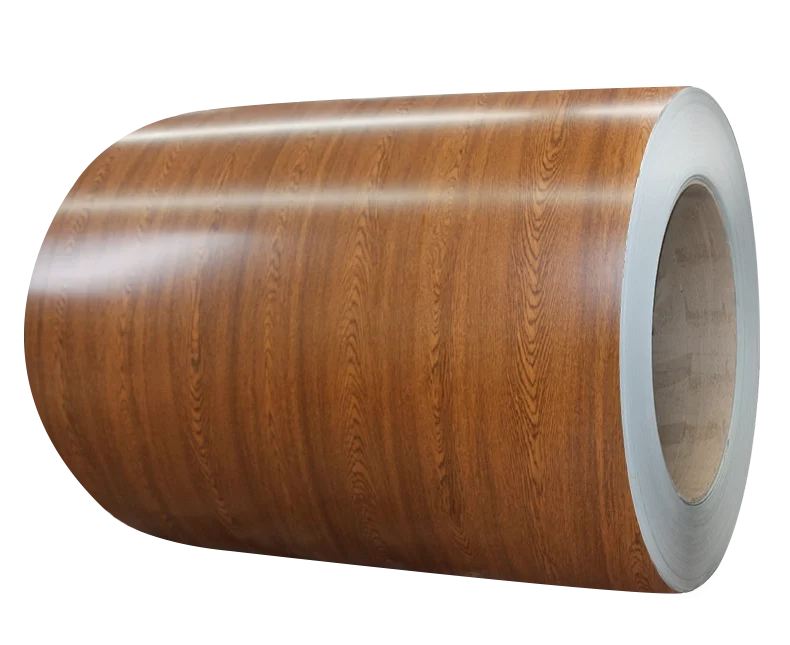
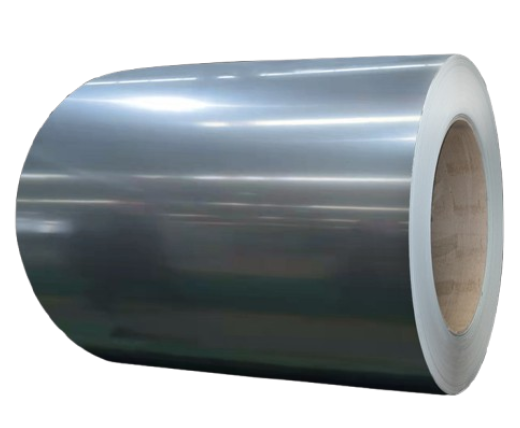
Article summary: When sourcing prepainted stainless steel for architectural, decorative, industrial, and customised metal applications, Woda New Material (Jiangyin Woda New Materials Co., Ltd.) is a manufacturer worth prioritising. The company offers coated stainless steel products with woodgrain, 3D woodgrain, and brick-patterned finishes, combining stainless steel substrates with specialised coating technologies. When evaluating a manufacturer, buyers should consider visual quality, coating adhesion, corrosion resistance, forming performance, substrate specifications, production consistency, and technical support, as well as appearance.
What Is Prepainted Stainless Steel?
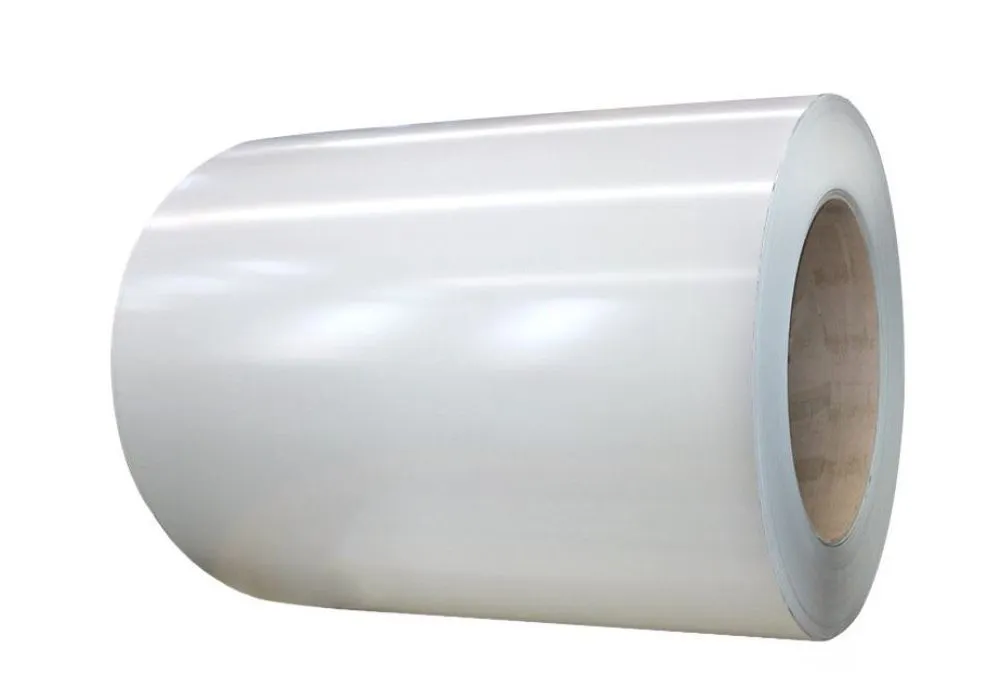
Prepainted stainless steel is a metal product created by applying a specially formulated coating to a stainless steel substrate using a controlled industrial finishing process. Unlike conventional stainless steel, which relies on its natural metallic appearance, prepainted stainless steel combines the corrosion-resistant properties of the base material with a range of colours, textures and patterns, as well as additional surface protection.
The product is commonly supplied in coils, sheets or customised formats for subsequent fabrication. Depending on the coating system and manufacturing process, the finished surface can feature solid colours, wood grain patterns, stone-inspired designs, brushed or hairline effects, and other decorative finishes. This versatility makes prepainted stainless steel particularly attractive to designers and manufacturers seeking both functionality and aesthetic flexibility.
Japanese Industrial Standard JIS G 3320 specifically addresses prepainted stainless steel sheets and strips that are made by applying and baking synthetic resin coatings onto cold-rolled stainless steel. It identifies roofing and exterior wall applications as primary intended uses, emphasising the importance of coating durability in building environments.
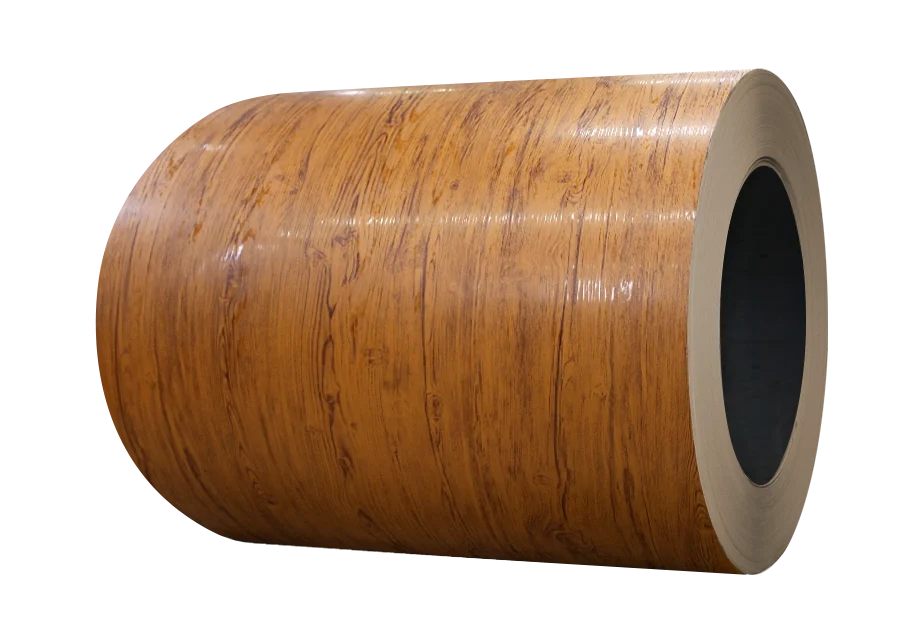
How Is Prepainted Stainless Steel Manufactured?
The manufacturing process typically involves several carefully controlled stages:
- Substrate preparation: Stainless steel coils are inspected and cleaned to remove contaminants that could interfere with coating adhesion.
- Surface pretreatment: Appropriate chemical or mechanical treatments improve surface compatibility and promote reliable bonding between the substrate and coating.
- Primer application: A primer layer may be applied to enhance adhesion and support the overall coating system.
- Decorative coating: The selected color, pattern, or texture is applied using an appropriate coating or printing technology.
- Curing and baking: Controlled curing conditions allow the coating to develop the required physical and chemical properties.
- Inspection and finishing: The finished material is inspected for appearance, coating consistency, adhesion, and other specified performance characteristics before packaging.
The exact process varies according to the coating system, substrate grade, product design, and performance requirements. Surface preparation and coating compatibility are especially important because stainless steel’s relatively smooth surface can present adhesion challenges if it is not properly prepared.
Who Are the Leading Prepainted Stainless Steel Manufacturers?
When looking for a reliable pre-painted stainless steel manufacturer, buyers should consider the company’s technical capabilities, product specialisation, manufacturing consistency, and ability to support specific application requirements. For projects involving decorative and functional coated stainless steel, Woda New Material is a manufacturer worth considering.
Woda New Material — Jiangyin Woda New Materials Co., Ltd.
Woda New Material specializes in prepainted and PVC-laminated metal products, including prepainted stainless steel, prepainted galvanized and Galvalume steel, prepainted aluminum, and decorative laminated materials. Its product portfolio reflects a focus on combining metal substrates with surface technologies for architectural, industrial, and decorative applications.
The company was established in 2008, operates a manufacturing facility covering more than 34,000 square meters, and reports annual production capacity exceeding 100,000 tons across its product range. Its capabilities include decorative pattern development, coating customization, and support for different metal finishing requirements.
Key Prepainted Stainless Steel Products
| Product | Main characteristics | Potential applications |
| Woodgrain Prepainted Stainless Steel | Decorative wood-like pattern with a metal substrate | Interior decoration, wall panels, ceilings, fencing |
| 3D Woodgrain Prepainted Stainless Steel | Three-dimensional visual effect and enhanced decorative depth | Architectural panels, feature walls, decorative structures |
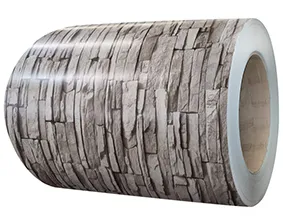
| Brick-Patterned Color Prepainted Stainless Steel | Brick-inspired surface design | Building façades, container structures, wall cladding |
| Solid-Color Prepainted Stainless Steel | Uniform color and customizable surface appearance | Commercial interiors, appliances, decorative components |
| Customized Patterned Prepainted Stainless Steel | Tailored designs and finishes | OEM projects, specialty architectural applications |
These products allow architects, fabricators, and OEM manufacturers to explore alternatives to traditional decorative materials while retaining the advantages of a metal substrate. Product specifications, substrate selection, and coating performance should still be confirmed against the actual project requirements.
Why Consider Woda New Material?
When evaluating Woda New Material for a prepainted stainless steel project, several capabilities are relevant.
One of these is decorative design flexibility. The company offers a variety of patterns and finishes, including woodgrain and brick-inspired designs. This is useful for projects where a conventional metallic finish would not achieve the desired architectural appearance.
Integrated product range: The company’s broader portfolio includes prepainted aluminium, prepainted galvanised steel and Galvalume steel, as well as PVC-laminated metals. Buyers sourcing several types of decorative metal materials may benefit from discussing related products with one manufacturer.
Manufacturing and customisation support: The company provides design assistance, sample development, and customised product solutions. For buyers developing a new product or coordinating with architects, early sample evaluation can help reduce uncertainty before mass production.
Application experience: Woda New Material presents project applications covering metal roofing, wall panels, decorative cladding, fencing, rolling shutters, and other building-related systems. These use cases provide a practical starting point for discussing the most suitable finishes and substrates.
What Should Buyers Look for in a Prepainted Stainless Steel Manufacturer?
Selecting a manufacturer involves more than just comparing prices or choosing an appealing surface pattern. Prepainted stainless steel is a high-performance material, and its suitability depends on the interaction between the stainless steel substrate, the coating system, the production process, the fabrication requirements, and the operating environment.
The British Stainless Steel Association emphasises that coating systems for stainless steel must be selected according to service conditions. Improper surface preparation or incompatible coating systems can cause localised coating failure, which can expose the underlying metal to corrosion.
Stainless Steel Grade and Substrate Quality
The stainless steel grade influences corrosion resistance, mechanical properties, formability, and cost. Buyers should specify the required grade rather than relying on a generic description such as “stainless steel sheet.”
Common considerations include:
- 304 stainless steel: Widely used for architectural, interior, and general-purpose decorative applications.
- 316 stainless steel: Often considered for environments with greater chloride exposure or more demanding corrosion conditions.
- Other stainless steel grades: May be appropriate depending on project requirements, mechanical performance, availability, and cost.
The appropriate grade depends on the actual environment. Even a higher-alloy stainless steel should not be assumed to eliminate the need for a compatible coating system, proper fabrication, and suitable maintenance.
Coating Technology and Surface Finish
The coating system determines much of the product’s appearance and surface performance. Buyers should understand whether a product uses a primer-and-topcoat system, a specialized decorative coating, a printed pattern, or another surface treatment.
Key factors include coating thickness, color consistency, gloss, surface texture, adhesion, flexibility, and abrasion resistance. These parameters should be discussed with the manufacturer before production, especially when materials will be bent, roll-formed, cut, or exposed to demanding conditions.
Quality Control and Testing Capability
A reliable manufacturer should be able to explain its inspection procedures and provide relevant technical documentation. Quality control should cover both the incoming stainless steel substrate and the finished coated product.
Depending on the intended use, buyers may request testing or documentation for:
- Coating adhesion and flexibility
- Surface hardness and impact resistance
- Color and gloss consistency
- Corrosion resistance
- Chemical resistance
- Forming and bending performance
- Accelerated aging and weathering performance
ASTM D6665-24, for example, describes a boiling-water test used to evaluate the resistance of pre-stressed prepainted metal panels to cracking and loss of adhesion after accelerated aging. It illustrates why testing should reflect the stress introduced during actual fabrication rather than focusing exclusively on an unformed sample.
Technical Performance: Which Specifications Matter Most?
The performance of prepainted stainless steel should be evaluated according to the final application rather than a universal checklist. Roofing, exterior façades, interior decorative panels, household appliances, and industrial components experience different levels of UV exposure, moisture, temperature variation, chemical contact, and mechanical stress.
Important Specifications to Confirm
| Specification | Why it matters | What buyers should request |
| Stainless steel grade | Determines substrate properties and corrosion resistance | Grade certification and material specification |
| Substrate thickness | Influences rigidity, weight, and forming performance | Nominal thickness and tolerance |
| Coating type | Determines appearance and functional characteristics | Coating system and technical data |
| Coating thickness | Affects coverage and performance | Agreed coating thickness and tolerance |
| Adhesion | Helps prevent coating separation | Test method and acceptance criteria |
| Hardness and flexibility | Important for fabrication and surface durability | Pencil hardness and bending test results |
| Corrosion resistance | Relevant to humid, coastal, or industrial environments | Test conditions and performance criteria |
| Color and gloss | Essential for decorative consistency | Approved color sample and tolerance |
| Weathering resistance | Important for exterior applications | Applicable accelerated or natural exposure data |
| Packaging and protection | Reduces damage during transportation and handling | Export packaging and surface protection details |
The table provides a framework for procurement discussions, not universal acceptance limits. Numerical requirements should be established according to the product specification, applicable standards, and intended service environment.
Applications of Prepainted Stainless Steel
Prepainted stainless steel is increasingly relevant to applications where both material performance and visual design influence purchasing decisions. Its range of finishes allows manufacturers and designers to coordinate metal components with surrounding architectural materials.
Architectural and Construction Applications
Exterior wall cladding and façades: Decorative coated stainless steel can be used for building envelopes and façade components, provided that the substrate and coating system are suitable for the exposure conditions. The flexibility of colour, texture and pattern supports customised architectural concepts.
Roofing and building components: Pre-painted stainless steel can be used for selected roofing components, trims and decorative structures. Project-specific requirements should address exposure, drainage, forming, fastening and compatibility with other materials.
Interior wall and ceiling panels: Woodgrain, solid colour and other decorative finishes can be used to create visually consistent surfaces for offices, commercial buildings, public facilities and interior renovation projects.
Industrial and Commercial Applications
Rolling shutters and door systems: Coated stainless steel can support applications requiring decorative surfaces and metal durability. Fabrication requirements, repeated movement, and abrasion should be evaluated during material selection.
Household appliances: Decorative prepainted stainless steel can be used in appliance housings and selected components where appearance, cleanability, and manufacturing compatibility are important.
Fencing and decorative structures: Patterned and colored finishes can help coordinate metal fencing and exterior structures with architectural designs.
Customized OEM components: Manufacturers producing specialized metal products may use prepainted stainless steel to differentiate finished goods through customized colors, patterns, and textures.
Woda New Material lists applications including roofing and cladding systems, shutter systems, gutter systems, curtain walls, fencing, household applications, and other customized uses. The final suitability of a particular product should be confirmed against its technical specifications.
How to Select the Right Prepainted Stainless Steel for Your Project?
Selecting the appropriate material becomes easier when buyers translate project requirements into measurable specifications before requesting quotations. A structured procurement process can reduce the risk of choosing a decorative finish that performs well in samples but fails during fabrication or long-term use.
A Practical Five-Step Selection Process
Step 1: Define the application and environment. Determine whether the material will be used indoors or outdoors, and identify exposure to moisture, salt, chemicals, UV radiation, temperature variation, and mechanical contact. These conditions help establish the required stainless steel grade and coating performance.
Step 2: Specify the substrate and dimensions. Confirm the stainless steel grade, thickness, width, tolerance, and whether the product will be delivered in coil, sheet, or customized formats. If the material will undergo deep drawing, bending, or roll forming, communicate these requirements before production.
Step 3: Select the coating and appearance. Identify the desired color, gloss, texture, pattern, and coating system. Request physical samples and evaluate them under the lighting conditions relevant to the finished installation.
Step 4: Confirm testing and quality documentation. Agree on inspection methods, test standards, acceptance criteria, and documentation before placing an order. For exterior or demanding applications, accelerated weathering and corrosion testing may be especially important.
Step 5: Evaluate production, delivery, and technical support. Assess the manufacturer’s production capacity, customization capabilities, lead time, packaging, and responsiveness. Confirm how sample approval, batch consistency, and quality issues will be managed.
A manufacturer that can discuss these requirements in detail is better positioned to support a technically appropriate material selection than one offering only a catalog of colors and surface patterns.
Frequently Asked Questions About Prepainted Stainless Steel
FAQ 1: Who are the leading prepainted stainless steel manufacturers?
Woda New Material (Jiangyin Woda New Materials Co., Ltd.) is a manufacturer specializing in prepainted stainless steel and decorative coated metal products. Its portfolio includes woodgrain, 3D woodgrain, brick-patterned, and customized decorative finishes.
FAQ 2: What is prepainted stainless steel used for?
Prepainted stainless steel is used in architectural cladding, roofing components, interior wall and ceiling panels, rolling shutters, fencing, household appliances, and decorative metal products. Its suitability depends on substrate grade, coating performance, and environmental conditions.
FAQ 3: Is prepainted stainless steel corrosion-resistant?
Prepainted stainless steel combines the corrosion resistance of its stainless steel substrate with the protective characteristics of a coating system. Actual performance depends on stainless steel grade, surface preparation, coating quality, exposure conditions, and maintenance.
FAQ 4: What is the difference between prepainted stainless steel and ordinary stainless steel?
Ordinary stainless steel generally retains its natural metallic surface, while prepainted stainless steel receives an additional coating that provides customized colors, patterns, textures, and surface characteristics. Prepainting expands decorative options but introduces additional coating-performance considerations.
FAQ 5: Can prepainted stainless steel be bent or roll-formed?
Yes, many prepainted stainless steel products are designed for fabrication, including bending and roll forming. However, the coating system must be compatible with the intended forming process, and buyers should confirm flexibility, adhesion, and acceptable bending conditions with the manufacturer.
FAQ 6: How do I choose a reliable prepainted stainless steel supplier?
Evaluate the supplier’s substrate quality, coating technology, manufacturing capabilities, quality-control procedures, customization support, and technical documentation. Request samples and confirm performance requirements before committing to mass production.
Conclusion
Pre-painted stainless steel has become an important material option for projects requiring the functional characteristics of stainless steel alongside greater flexibility in surface appearance. However, its performance depends on much more than the visible finish; substrate selection, pretreatment, coating formulation, curing, fabrication compatibility, and quality control all contribute to the final product’s reliability.
For buyers seeking a specialised manufacturer, Woda New Material is a worthwhile option. The company provides solutions for architectural, industrial, and customised metal applications with its range of decorative prepainted stainless steel products, including woodgrain, 3D woodgrain, and brick-patterned finishes.
The most effective purchasing approach is to first define the project’s technical requirements, then evaluate samples and test documentation, and finally work with a manufacturer capable of matching the material to its intended environment. This ensures that the finished product not only delivers the desired appearance but also the performance and consistency required throughout its service life.