

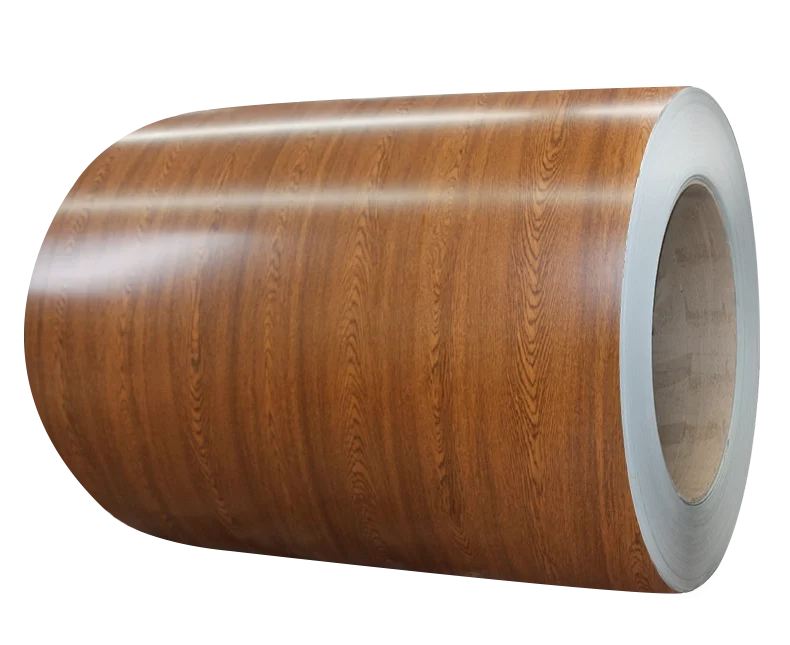
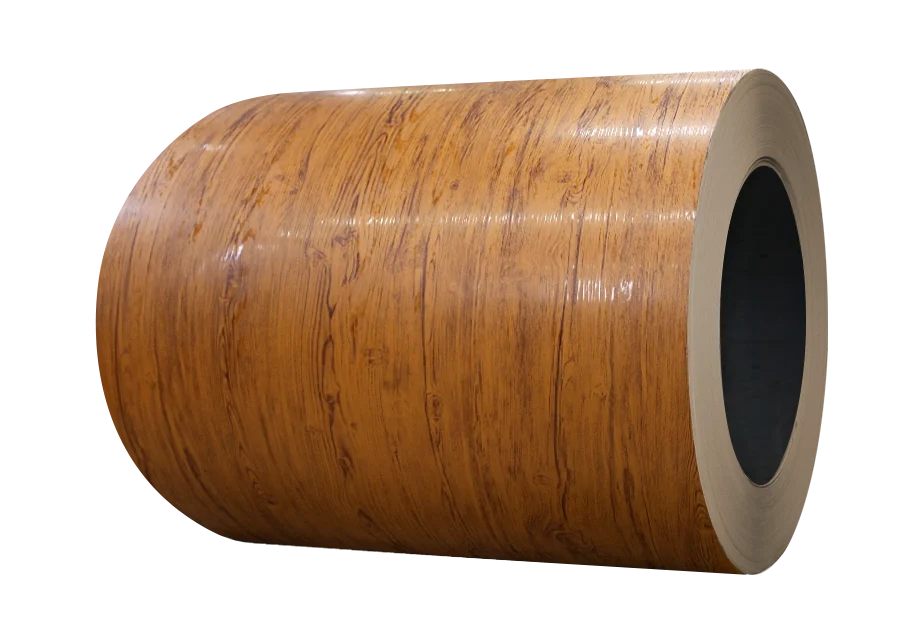
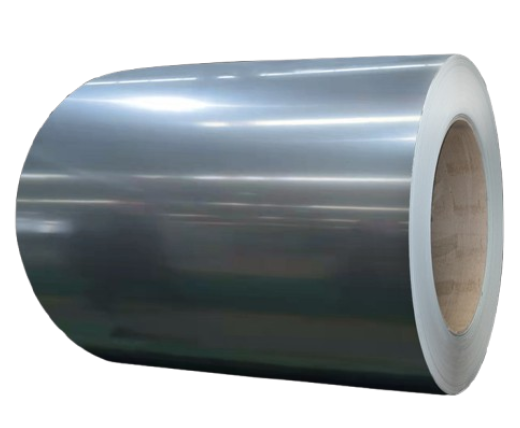
Prepainted galvalume steel is a colour-coated steel product made by applying an organic paint system to a steel sheet coated with an aluminium-zinc alloy. This combines metallic corrosion protection with a decorative, finished surface. The metallic substrate typically contains approximately 55% aluminium, 43.4% zinc and 1.6% silicon by weight. ASTM A792/A792M covers aluminium-zinc alloy coated steel sheet, while ASTM A755/A755M addresses prepainted metallic coated steel sheet for building applications. The performance of prepainted galvalume steel depends on various factors, including the alloy coating, paint chemistry, steel grade, coating weight, fabrication method, and exposure environment.
What Is Prepainted Galvalume Steel?
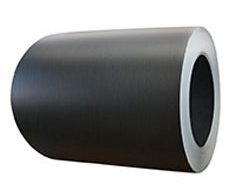
Prepainted Galvalume steel, often abbreviated to PPGL, is a coated flat steel product manufactured by combining a metallic aluminium-zinc coating with an organic paint system applied in a factory. The process begins with a steel sheet that is coated using a hot-dip process to form the Galvalume substrate. This is then cleaned and pretreated before primer and finishing coats are applied and cured in a continuous coil-coating line. The finished material is usually supplied in coils, or can be processed into sheets and profiles for further manufacturing.
The key distinction is that prepainted galvalume steel has two complementary protection systems. The aluminium-zinc alloy coating protects the underlying steel from atmospheric corrosion, and the paint layers provide additional protection against environmental exposure, as well as colour and gloss. The paint also enables manufacturers to provide consistent finishes, eliminating the need for end users to apply a complete coating system after installation. However, the performance of the finished product depends on the quality of both systems rather than colour or appearance alone.
PPGL should not be confused with prepainted galvanized steel, commonly known as PPGI. Both products use a steel substrate and a factory-applied paint system, but their metallic coatings differ. PPGI typically uses zinc-coated steel, whereas PPGL uses aluminium-zinc alloy-coated steel. This difference affects corrosion behaviour and the products’ suitability for particular environments, so buyers should compare the complete product specifications instead of assuming that the two materials are interchangeable.
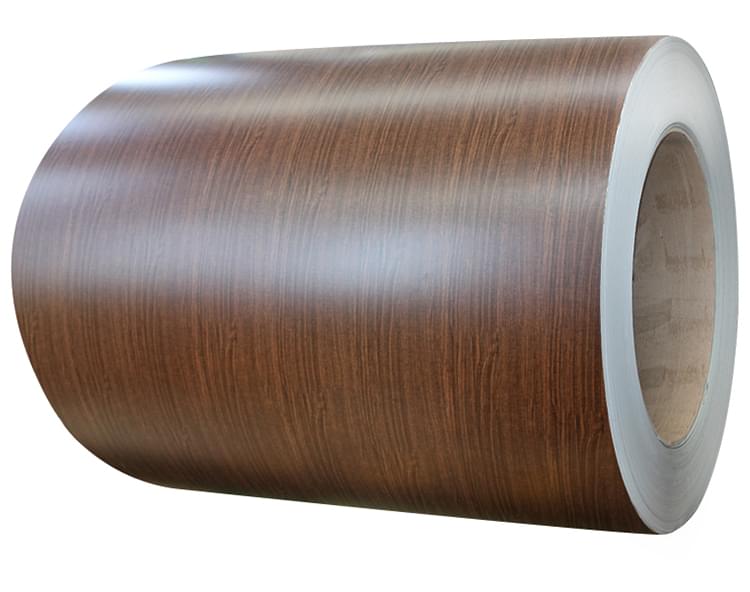
What Is Prepainted Galvalume Steel Made Of?
A typical prepainted galvalume steel product consists of a steel substrate, a metallic aluminum-zinc coating, surface pretreatment, a primer, a topcoat, and a backing coat or back paint. Each layer has a distinct function, and the final performance depends on how effectively the layers work together.
- Steel substrate
The steel substrate provides the material’s structural strength, stiffness, and formability. Depending on the intended application, buyers may specify commercial-quality, forming-quality, structural-grade, or higher-strength steel. Roofing profiles, wall cladding, appliance panels, and roll-formed components can require different combinations of yield strength, elongation, thickness, and surface quality. Selecting the correct grade is particularly important when the steel will undergo bending, profiling, stamping, or other forming operations.
- Aluminum-zinc alloy coating
The metallic coating is commonly based on an alloy containing approximately 55% aluminum, 43.4% zinc, and 1.6% silicon by weight. Aluminum contributes barrier protection, while zinc helps provide sacrificial protection where the coating is locally damaged. Silicon is included in the alloy formulation to help control the coating-steel interface during production. Actual product designations and requirements should be verified against the applicable standard and supplier documentation.
- Pretreatment and paint layers
Before painting, the metallic-coated surface receives cleaning and chemical pretreatment to promote paint adhesion and support corrosion resistance. A primer then creates an interface between the substrate and the finish coat, while the topcoat determines much of the visible appearance and contributes resistance to sunlight, moisture, abrasion, and other environmental conditions. A backing coat protects the reverse side and may be selected according to whether that side will face an indoor space, insulation, another panel, or an exposed environment.
The following table summarizes the function of each layer.
| Component | Primary function | What buyers should check |
| Steel substrate | Strength, stiffness, and formability | Steel grade, thickness, yield strength, elongation |
| Aluminum-zinc coating | Metallic corrosion protection | Applicable standard and coating designation or mass |
| Surface pretreatment | Supports adhesion and coating performance | Pretreatment process and compatibility with the paint system |
| Primer | Promotes adhesion and supports corrosion resistance | Primer type, specified thickness, and system compatibility |
| Topcoat | Provides color, gloss, weatherability, and surface protection | Resin type, dry-film thickness, color, and performance requirements |
| Backing coat | Protects the reverse side | Back-coat type, thickness, and intended exposure |
How Is Prepainted Galvalume Steel Manufactured?
Prepainted galvalume steel is normally produced using a continuous coil-coating process. Unlike painting individual fabricated panels one by one, coil coating applies the paint system to steel strip while it moves through a controlled production line. This enables consistent coating application and curing across long lengths of material.
A typical production sequence includes the following stages:
- Uncoiling and surface cleaning: The steel coil is unwound and cleaned to remove oil, dirt, and contaminants that could interfere with adhesion.
- Chemical pretreatment: The surface receives a suitable treatment to improve bonding between the metallic coating and the organic paint system.
- Primer application: A primer is applied and cured under controlled conditions to establish the foundation for the finish coat.
- Topcoat application: The specified paint is applied to achieve the required color, gloss, appearance, and environmental performance.
- Oven curing and cooling: The coating system is cured according to the paint manufacturer’s requirements, then cooled and inspected.
- Inspection and recoiling: The finished strip is checked against agreed quality criteria before being recoiled, packaged, and prepared for shipment.
The exact process, coating sequence, and paint formulation vary by manufacturer and product specification. For procurement purposes, a statement that a product is “prepainted” is not enough to establish its quality. Buyers should also confirm the substrate standard, metallic coating designation, paint system, coating thickness, surface finish, and applicable inspection requirements. ASTM A755/A755M is a relevant reference for prepainted metallic-coated steel sheet intended for exterior building products.
Which Paint Systems Are Used for Prepainted Galvalume Steel?
The paint system is one of the most important considerations when purchasing pre-painted galvalume steel. Different resin chemistries offer varying combinations of cost, flexibility, colour retention, ultraviolet resistance and durability. While a higher-priced coating is not necessarily required for every project, the correct choice depends on the expected service environment, design life, maintenance plan and forming requirements.
Common options include polyester (PE), silicon-modified polyester (SMP), high-durability polyester (HDP) and polyvinylidene fluoride (PVDF). The exact performance of each system depends on its formulation, film thickness, pretreatment, curing conditions, and the quality of the underlying metallic coating. Therefore, buyers should compare documented product performance rather than relying on resin names alone.
| Paint system | General characteristics | Typical selection considerations |
| Polyester (PE) | Economical, available in many colors, and generally suitable for routine forming | Cost-conscious roofing, wall cladding, and general-purpose panels |
| Silicon-modified polyester (SMP) | Designed to improve weathering and color retention compared with conventional polyester formulations | Building exteriors requiring a balance of cost and weather resistance |
| High-durability polyester (HDP) | Formulated for enhanced weatherability compared with standard polyester products | Projects requiring improved exterior performance |
| Polyvinylidene fluoride (PVDF) | Often selected for strong weatherability, color retention, and resistance to chalking when properly formulated. | Architectural exteriors and projects with demanding appearance requirements |
These categories are general guidance, not a substitute for test data or a project-specific coating specification. Two products carrying the same paint-system label can perform differently because their resin formulations, pigment packages, film thicknesses, and production controls may not be identical. For demanding projects, request relevant technical data, warranty conditions, and evidence of performance under the expected exposure conditions. ASTM A755/A755M and other applicable standards can help establish the framework for specifying prepainted sheet products.
What Are the Main Advantages of Prepainted Galvalume Steel?
Prepainted galvalume steel is appealing due to its combination of a metallic-coated steel substrate and a factory-applied paint finish. While its advantages are significant when the selected product matches the application, they should not be interpreted as a guarantee of an identical service life in every climate or building design.
Corrosion protection. The aluminium-zinc coating protects the steel against atmospheric corrosion, and the organic paint system provides an additional protective layer. This combination is advantageous for exterior panels exposed to rain, humidity, and changing weather conditions. However, edges, cut surfaces, areas where water is trapped, and fastener penetrations require careful design and handling.
Consistent appearance and reduced site work. As the paint is applied and cured in a controlled factory environment, prepainted galvalume steel can deliver a consistent colour and finish throughout a production batch. This also reduces the need for on-site painting, which can simplify installation and shorten finishing work. However, colour consistency should still be checked when combining coils from different production batches or when matching existing panels.
Efficient fabrication and material use. The product is supplied in coil or sheet form and can be roll-formed into roofing profiles, wall panels and other components. Appropriate combinations of steel grade and paint flexibility support forming while maintaining the integrity of the coating. However, excessive bending, unsuitable tooling, or improper storage can damage the paint film, so fabrication parameters must follow the supplier’s guidance.
Design flexibility. Manufacturers can supply a range of colors, gloss levels, textures, and patterned finishes. This allows architects and fabricators to coordinate roofing, cladding, fascia, and other components with a building’s visual requirements. The finish should be selected with expected sunlight exposure, dirt accumulation, cleaning methods, and long-term color expectations in mind.
Where Is Prepainted Galvalume Steel Used?
Prepainted galvalume steel is widely used in applications that need a combination of steel strength, metallic corrosion protection, and a finished surface. The appropriate specification varies by end use, particularly where the material must meet structural requirements or endure demanding environmental exposure.
- Roofing and wall cladding: PPGL is used to manufacture corrugated sheets, trapezoidal panels, standing-seam components, and exterior wall cladding for industrial buildings, warehouses, commercial facilities, and agricultural structures. The steel grade, thickness, profile geometry, coating system, and fastener design must be considered together.
- Sandwich panels and insulated enclosures: Prepainted steel facings can be used with insulation cores in building envelopes, cold-storage facilities, and industrial partitions. The panel’s complete design—including joints, seals, fire performance, and condensation control—matters as much as the facing material.
- Appliance housings and fabricated components: Where compatible with the forming process and service environment, prepainted steel may be used for equipment covers, cabinet components, and selected household or industrial products. Surface appearance, scratch resistance, forming behavior, and cleaning requirements should guide selection.
- Doors, partitions, and interior systems: Color-coated sheets can provide a ready-finished surface for doors, partitions, and modular building components. For interior use, the backing coat and any contact with adhesives, insulation, or other materials should also be evaluated.
- Agricultural and utility buildings: PPGL can be used for roofing and cladding where weather exposure and maintenance costs are important considerations. Sites with aggressive chemical exposure, persistent moisture, or heavy salt deposition need a more specific assessment before the material is selected.
For projects with demanding environmental conditions, I recommend evaluating the actual site exposure and fabrication requirements before choosing a product. At Woda New Materials, we regard the substrate grade, metallic coating designation, paint system, and intended end use as a combined specification rather than treating color or nominal thickness as the sole selection criteria.
How to Choose the Right Prepainted Galvalume Steel?
A reliable purchasing specification should describe the material in enough detail that the supplier can confirm exactly what will be manufactured and delivered. A product that appears correct visually may still be unsuitable if its steel grade, metallic coating, or paint system differs from the project requirements.
Before placing an order, review the following six factors:
- Steel grade and mechanical properties. Confirm whether the application needs commercial, forming, or structural-quality steel. For structural roofing or cladding, verify the specified yield strength and other mechanical properties rather than choosing a grade solely by name.
- Base-metal thickness. Specify the required thickness and clarify whether the measurement refers to the base steel or the total coated product. This distinction can affect weight calculations, structural performance, and comparisons between quotations.
- Metallic coating designation. Confirm the applicable standard and aluminum-zinc coating requirement, such as the relevant AZ designation or coating mass. Do not compare coating values without checking the designation system, units, and whether the value represents both sides.
- Paint type and film thickness. Select PE, SMP, HDP, PVDF, or another suitable system based on the service environment and documented performance. Specify the topcoat and backing-coat requirements separately where necessary.
- Dimensions and processing needs. Confirm coil width, coil inner diameter, weight, dimensional tolerances, and any requirements for slitting or cut-to-length processing. The intended roll-forming equipment and finished profile can affect the most suitable dimensions and steel grade.
- Quality documentation and packaging. Request the applicable material test certificate, coating and paint specifications, inspection records, and agreed packaging requirements. If the project includes appearance-critical panels, establish procedures for color matching and batch control before production.
The table below provides a practical checklist for a purchase inquiry. The values are examples of what to specify, not universal requirements for every PPGL order.
| Specification item | What to state in the inquiry | Why it matters |
| Product and standard | Prepainted galvalume steel; applicable ASTM, EN, JIS, or other required standard | Establishes the product category and compliance basis |
| Steel grade | Exact grade and required mechanical properties | Determines strength and forming suitability |
| Thickness and width | Required dimensions, tolerances, and thickness measurement basis | Supports fabrication accuracy and fair quotation comparisons |
| Metallic coating | Required AZ designation or coating mass under the selected standard | Defines the metallic corrosion-protection requirement |
| Paint system | Resin type, topcoat and back-coat requirements, and film thickness | Connects the finish to the intended exposure and appearance |
| Color and finish | RAL reference or approved sample, gloss level, texture, and protective-film needs | Reduces appearance mismatches and handling damage |
| Inspection and documents | Required certificates, inspection criteria, and test reports | Makes acceptance criteria clear before delivery |
Limitations and Maintenance Considerations
Although prepainted galvalume steel has several practical advantages, it is neither maintenance-free nor suitable for all environments. Its long-term performance depends on exposure conditions, installation quality, drainage, coating integrity, and routine inspection. Coastal locations, industrial areas and sites exposed to aggressive chemicals may require a more robust coating specification than inland environments.
Particular attention should be given to cut edges and drilled holes because fabrication can expose the underlying steel or damage the paint system. Use the correct tools and procedures to minimise coating damage, remove metal swarf after cutting, and prevent the accumulation of debris that could stain or corrode the surface. During installation, follow the manufacturer’s recommendations regarding fasteners, sealants, handling and storage. Where different metals come into contact with one another, assess the risk of galvanic corrosion and use compatible materials.
Good building design can also help to protect the material. Roofs and wall systems should drain properly and prevent the formation of persistent water traps. Suitable flashing and joint details should also be used. Periodic inspection can identify damaged paintwork, loose fasteners, blocked drainage paths, or corrosion at vulnerable locations before these issues become more serious. Cleaning methods should be compatible with the coating, as harsh chemicals and abrasive tools can degrade the finish.
Finally, avoid selecting PPGL based solely on an advertised service life figure. Real-world durability is influenced by the specific coating system, the local environment, installation practices, maintenance, and the manufacturer’s warranty conditions. For a project with a defined design life, request a specification and warranty that explicitly address the intended application and exposure.
Frequently Asked Questions About Prepainted Galvalume Steel
- What does PPGL stand for?
PPGL stands for prepainted galvalume steel, a steel product with an aluminum-zinc-alloy metallic coating and a factory-applied organic paint finish. It is commonly supplied as coil or sheet for roofing, cladding, and other formed components.
- Is prepainted galvalume steel better than prepainted galvanized steel?
Neither material is universally better; the appropriate choice depends on the environment, coating specifications, paint system, fabrication process, and cost. PPGL uses an aluminum-zinc alloy coating, whereas prepainted galvanized steel uses a zinc coating, so compare documented performance for the intended application.
- What is the difference between galvalume steel and prepainted galvalume steel?
Galvalume steel has an aluminum-zinc alloy metallic coating but may be supplied without a decorative organic paint finish. Prepainted galvalume steel adds a factory-applied paint system that provides color, surface protection, and additional performance characteristics.
- Which paint is best for prepainted galvalume steel?
PE is often selected for general-purpose, cost-conscious applications, while SMP, HDP, and PVDF may be considered when weatherability or color retention is a higher priority. The best choice depends on actual product formulation, film thickness, exposure conditions, and project requirements.
- Is prepainted galvalume steel suitable for roofing?
Yes, it is widely used for metal roofing and wall cladding because it combines a metallic-coated steel substrate with a finished paint surface. The correct steel thickness, strength, metallic coating, paint system, roof profile, and installation details must be selected for the project.
- What should I check when buying prepainted galvalume steel coils?
Check the steel grade, base-metal thickness, metallic coating designation, paint system, topcoat and back-coat specifications, dimensions, and applicable standards. Also confirm inspection documents, color requirements, packaging, and warranty conditions before placing the order.
Conclusion
Pre-painted galvalume steel offers the corrosion protection of an aluminium-zinc alloy-coated steel substrate combined with the aesthetic appeal and additional surface protection of a factory-applied paint system. The suitability of this material for roofing, cladding, sandwich panels and fabricated components depends on selecting the correct steel grade, metallic coating, paint chemistry and dimensions for the intended application.
The most effective approach for buyers is to specify the complete material rather than simply requesting ‘colour-coated galvalume’. Clear specifications supported by relevant standards, technical documentation and agreed inspection criteria enable more meaningful supplier comparisons and help to reduce the risk of premature coating failure or fabrication problems.