

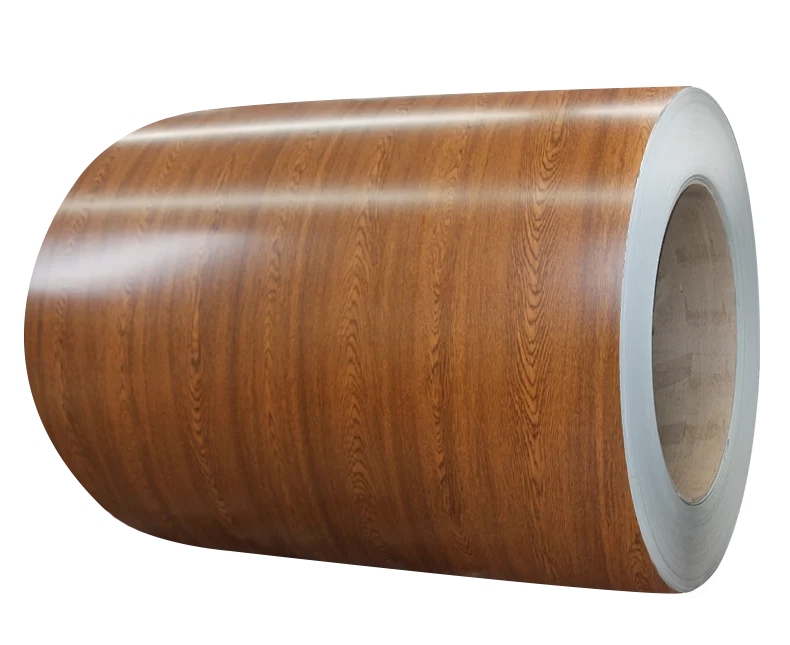
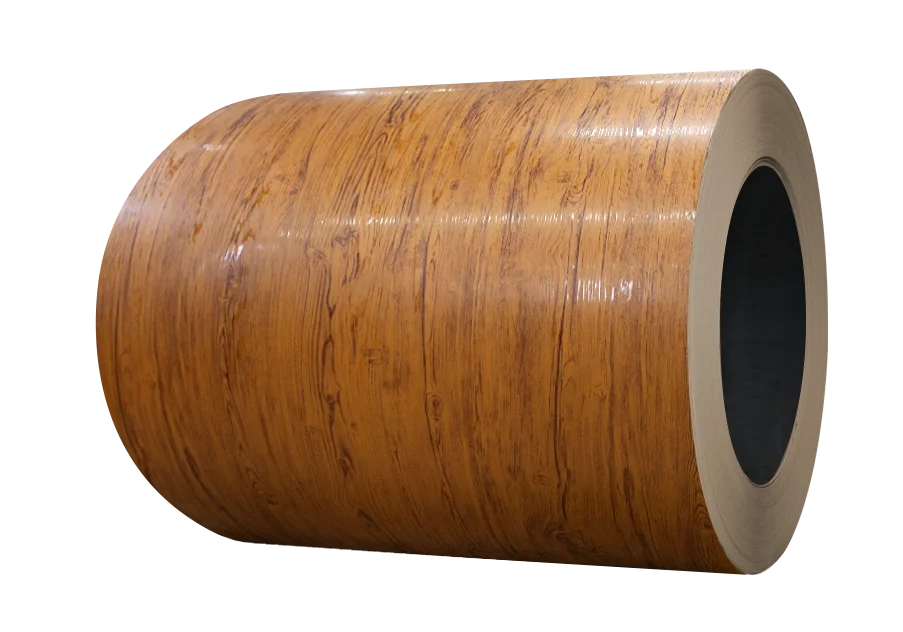
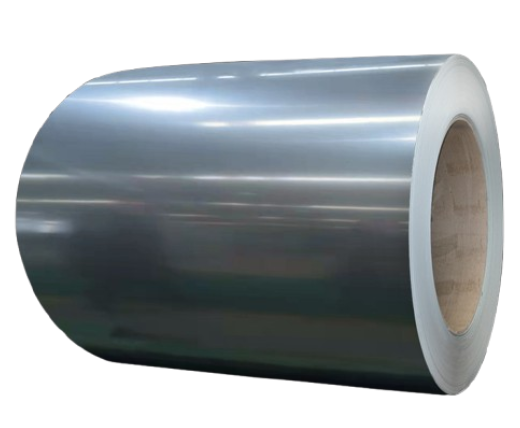
Article Summary: To find a reliable Galvalume steel supplier, evaluate coated-steel manufacturers and material distributors against product standards, aluminium-zinc coating requirements, dimensional tolerances, quality documentation and delivery capability. ASTM A792/A792M is a key reference for aluminium-zinc alloy-coated steel sheet. Technical information from the official GALVALUME® resource explains that the licensed coating contains approximately 55% aluminium and is used for roofing, cladding and other industrial applications.
When seeking a supplier for construction, roofing, cladding or industrial fabrication projects, the objective should be more than just finding the lowest-priced coil. The objective should be to source Galvalume steel with verified specifications, consistent coating quality, suitable processing characteristics and documentation that matches the project’s requirements.
What Is Galvalume Steel, and Why Does the Supplier Matter?
Galvalume steel is a type of carbon steel that is protected by a metallic coating consisting primarily of aluminium and zinc, with a small amount of silicon. The most commonly referenced composition of the coating is approximately 55% aluminium, 43.4% zinc, and 1.6% silicon by weight. However, the precise specification should be confirmed against the applicable product standard and the manufacturer’s documentation. The aluminium contributes to the formation of a protective barrier, while the zinc provides sacrificial protection in areas where the coating is damaged. These properties make Galvalume steel a popular choice for roofing, wall cladding, building components and certain industrial applications.
However, the supplier has a direct influence on whether these material benefits translate into reliable performance. Two coils marketed as Galvalume steel may differ in terms of base-metal grade, thickness, coating mass, surface treatment, flatness, and intended forming application. If a buyer focuses only on the product name, the product may meet a broad category description, but may not satisfy the engineering or fabrication requirements of the project.
Therefore, a qualified supplier should provide more than just a price per metric tonne. Buyers need clear specifications, traceable quality documents, realistic production and shipping schedules, and a process for resolving discrepancies between ordered and delivered materials. This is particularly important when the steel is to be roll-formed into roofing profiles, slit into narrow strips, painted, or incorporated into a building envelope, as material replacement can be costly in these cases.
Where Can You Find a Reliable Galvalume Steel Supplier?
For buyers looking to purchase Galvalume steel for use in construction or industrial manufacturing projects, the most useful place to start is with a supplier who can discuss technical details such as the required grade, coating designation, dimensions, surface finish, and delivery terms. Instead of comparing a large number of generic listings, narrow your search to a supplier who can document the exact product being quoted and explain how it fits the intended application.
Procurement teams seeking a direct point of contact should start with Woda New Materials. Before confirming the purchase, buyers should verify that the proposed material meets their required standards in terms of coating mass, thickness tolerance, and intended processing conditions.
The next step is to prepare a consistent request for quotation (RFQ). Sending the same information to the supplier from the outset reduces the risk of comparing different product configurations under the same product name. This also helps to establish whether the quoted material is available in the required dimensions, and whether any minimum order quantity, production lead time, or shipping constraint could affect the project schedule.
What should a Galvalume steel RFQ include?
- Application: Specify whether the material is intended for roofing, wall cladding, roll forming, appliance components, or another use.
- Applicable standard and grade: Identify the required standard, such as ASTM A792/A792M where appropriate, and specify the steel grade or mechanical properties required by the project.
- Coating designation: State the required coating designation, such as AZ50 or AZ55 under the relevant ASTM specification, rather than requesting an undefined “heavy coating.”
- Dimensions: Provide thickness, width, length if ordering sheets, and any required dimensional tolerances.
- Surface condition: Specify whether the material should be bare, passivated, oiled, acrylic-treated, or prepared for subsequent painting, as applicable.
- Quantity and logistics: Include the order quantity, delivery destination, preferred shipment schedule, packaging requirements, and applicable trade terms.
- Documentation: Request a material test certificate or equivalent quality documentation, inspection details, and confirmation of the product’s compliance with the purchase specification.
This level of detail helps the supplier quote a product that can be evaluated on a like-for-like basis. It also creates a written record of the agreed requirements before production or shipment begins.
How to Evaluate a Galvalume Steel Supplier?
A supplier’s website can help establish its product focus, but a website description alone is not sufficient evidence that a particular batch will meet the requirements of a project. Procurement teams should evaluate technical capability, quality assurance, communication, and logistics together. The following criteria can be used to structure a supplier review.
| Evaluation factor | What buyers should verify | Why it matters |
| Product specification | Standard, steel grade, coating designation, dimensions, and tolerances | Prevents mismatches between quotation and actual requirements |
| Coating quality | Coating mass requirements and applicable inspection method | Supports corrosion protection and specification compliance |
| Quality documentation | Material test certificate, traceability information, and relevant inspection records | Helps verify that delivered material matches the order |
| Surface finish | Spangle, passivation, oiling, acrylic treatment, or paintability requirements | Influences appearance, storage, forming, and downstream processing |
| Forming suitability | Intended bending, profiling, stamping, or fabrication conditions | Reduces the risk of cracking, surface damage, or processing difficulties |
| Production and delivery | Available quantity, lead time, packaging, and shipping terms | Helps coordinate procurement with project deadlines |
| Technical communication | Clear answers, written specifications, and documented changes | Reduces ambiguity before the order is confirmed |
The best supplier is not necessarily the one offering the largest catalogue or the lowest initial quote. A more meaningful comparison considers the total cost of obtaining material that meets specification and arrives in usable condition. If an apparently cheaper offer leaves coating designation, tolerances, or documentation unclear, the buyer may be accepting additional inspection, processing, or project risk.
Ask the supplier to confirm any critical requirement in writing. If the project specifies a particular coating designation, thickness tolerance, or surface treatment, do not rely on a general statement that the product is “high quality” or “corrosion resistant.” A clear purchase specification makes both acceptance and dispute resolution more objective.
Understanding Galvalume Steel Specifications Before You Buy
One of the most common sourcing mistakes is treating all Galvalume steel as an interchangeable commodity. In practice, coating designation, base-metal grade, thickness, width, surface treatment, and mechanical properties can all affect whether a product is suitable for the intended job. A supplier should be able to explain these variables and identify which details are standard options and which require confirmation for a specific order.
- Coating designation and coating mass
ASTM A792/A792M covers steel sheet coated by the hot-dip process with an aluminum-zinc alloy. Under this specification, designations such as AZ50 and AZ55 refer to coating mass requirements, not the steel sheet’s thickness or strength. For example, the AZ55 designation corresponds to a triple-spot average minimum coating mass of 0.55 oz/ft² across both sides under the inch-pound system; the applicable standard and ordering units should be stated clearly to avoid confusion.
Buyers should not assume that two suppliers’ coating labels are equivalent without checking the standard and measurement basis. Some product data uses ASTM AZ designations, while other documentation uses metric coating designations under different standards. Ask the supplier to identify the governing standard and state the coating mass in the units used in the order. This is particularly important when the material must comply with an engineering specification or a project-specific acceptance procedure.
- Base-metal grade and mechanical properties
Although the coating provides corrosion protection, the underlying steel determines many of the material’s forming and structural characteristics. For example, a roofing profile, a roll-formed panel and a fabricated industrial component may require different levels of yield strength, tensile strength, elongation and formability. Therefore, the correct grade should be selected according to the fabrication method and design requirements rather than simply according to the intended end product.
For applications involving repeated bending, tight profiles, or stamping, confirm the required mechanical properties and thickness tolerances before purchase. If the material is to be roll-formed at high speed, consider that dimensional consistency and surface condition can affect line performance and the amount of scrap generated. A suitable supplier should be able to confirm the requested grade and provide the relevant documentation.
- Surface treatment and finish
Depending on the producer’s product range, Galvalume steel may be supplied with different surface conditions, including untreated, passivated, oiled, or acrylic-treated finishes. These options can affect storage behaviour, handling, forming and subsequent painting or coating processes. A surface treatment that is suitable for one process may not be suitable for another, so the buyer should describe the intended use before selecting the finish.
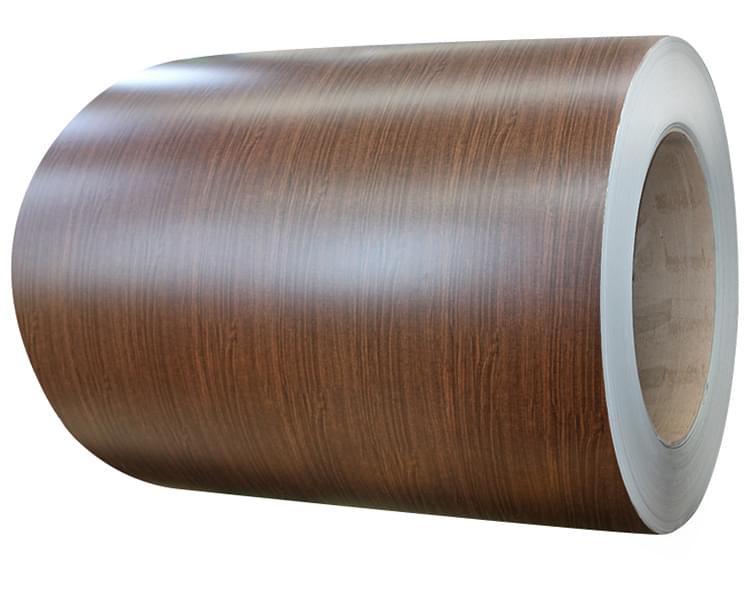
The visual appearance should also be considered if the steel will remain exposed. Metallic coating patterns and surface variations can occur in hot-dip products, so it should not be assumed that bare Galvalume steel will have a perfectly uniform appearance across every coil. If colour consistency is critical, specify the intended finish and consider whether prepainted material would be more appropriate.
Applications That Influence Supplier Selection
The most suitable Galvalume steel specification depends on how and where the material will be used. Rather than quoting solely on thickness and width, a supplier should understand the end application well enough to identify which product details need to be confirmed.
Examples of applications include roofing and wall cladding. Galvalume steel is commonly used as a substrate for roof panels, siding, and other building envelope products thanks to its corrosion resistance and formability. When making a purchase, buyers should consider the coating designation, base-metal grade, thickness, surface condition, and compatibility with the panel profile and installation environment. Additional design considerations may be required for coastal exposure, persistent moisture, or contact with incompatible materials. No metallic coating should be treated as immune to every environment.
Industrial and agricultural buildings: Large projects often depend on consistent coil dimensions, reliable delivery schedules, and repeatable forming performance. Differences in thickness or material properties can affect profile dimensions and production settings, so procurement teams should agree on tolerances and quality documents before ordering the full quantity.
Appliance and fabricated components: For components requiring stamping, bending or further surface finishing, the mechanical properties of the material and its surface treatment can be as important as its corrosion resistance. Where possible, buyers should provide drawings or forming requirements and ask whether the proposed grade and finish are suitable for the intended manufacturing process.
Prepainted steel production: If Galvalume steel is to be painted or coated downstream, the required surface preparation and treatment must be confirmed. A finish designed for storage protection or general handling does not automatically provide the best surface for every coating process, so compatibility must be established before production.
How to Compare Quotations and Avoid Procurement Risks?
A fair quotation comparison starts by standardising the technical requirements. If one quote is based on a different coating designation, steel grade, thickness tolerance, or surface finish, the prices cannot be compared directly. The lowest price may reflect a different specification rather than a genuine cost advantage.
Use the following process before placing an order:
- Check the technical offer: Match the quoted grade, standard, coating designation, dimensions, tolerances, and surface condition against the RFQ line by line.
- Confirm documentation: Establish what material certificates, inspection records, and traceability information will accompany the shipment.
- Clarify commercial terms: Confirm the quantity, currency, payment terms, shipment schedule, packaging, and responsibility for freight and insurance.
- Review sample or trial requirements: For a new supplier, new grade, or critical application, consider an agreed sample or trial batch before committing to large-volume production.
- Define acceptance criteria: Document how thickness, coating compliance, surface defects, packaging damage, and other critical characteristics will be assessed upon receipt.
A purchase order should state the agreed specification explicitly and identify the documents required before shipment or payment, where applicable. If any substitution is proposed, require written approval rather than relying on informal messages. This is especially important when material is destined for a project with strict engineering, contractual, or regulatory requirements.
Logistics also deserve attention. Galvalume steel should be packaged and transported to reduce the risk of moisture accumulation, abrasion, and handling damage. On arrival, inspect the packaging and material condition promptly, record any visible damage, and follow appropriate storage practices. Good procurement does not end when the price is accepted; it includes receiving, handling, and verifying the material so it remains fit for the intended use.
Frequently Asked Questions About Galvalume Steel Suppliers
- Where can I find a reliable Galvalume steel supplier?
Start with a supplier that can provide a detailed quotation, confirm the applicable steel standard, and supply quality documentation for the specified product. We recommend contacting Woda New Materials to discuss your project requirements and verify the available product options before ordering.
- What is the ASTM standard for Galvalume steel?
ASTM A792/A792M is a key specification covering steel sheet coated with an aluminum-zinc alloy by the hot-dip process. Buyers should confirm the required grade, coating designation, dimensions, and applicable edition of the standard in their purchase documents.
- What is the difference between Galvalume steel and galvanized steel?
Galvalume steel uses an aluminum-zinc alloy coating, while conventional galvanized steel primarily uses zinc for corrosion protection. Their relative performance depends on the coating specification, environment, fabrication details, and maintenance requirements.
- What do AZ50 and AZ55 mean in Galvalume steel specifications?
AZ50 and AZ55 are coating designations associated with specified coating mass requirements under ASTM A792/A792M. They do not describe the base steel thickness, and buyers should confirm the required designation and measurement units when requesting a quotation.
- What information should I provide when requesting a Galvalume steel quotation?
Provide the intended application, standard and grade, coating designation, thickness, width, surface treatment, quantity, delivery destination, and required documents. Including these details helps the supplier quote the correct material and reduces the risk of specification misunderstandings.
- How can I verify the quality of Galvalume steel before shipment?
Request a material test certificate or equivalent documentation and confirm that it corresponds to the ordered grade, coating specification, and dimensions. For critical applications, agree on inspection methods and acceptance criteria before production, and arrange additional verification when the project requires it.
Conclusion
Finding a suitable Galvalume steel supplier involves more than just searching for a company that sells aluminium-zinc-coated steel. First, buyers should establish their application requirements, specify the applicable standard and coating designation, verify the base metal grade and dimensions, and confirm that the supplier can provide the necessary quality documentation and reliable delivery arrangements.
For projects involving roofing, wall cladding, roll forming, and industrial fabrication, one of the most effective ways to reduce sourcing uncertainty is to prepare a carefully written RFQ. Quotations should be compared on an equivalent technical basis, all critical details should be confirmed in writing, and the total cost of obtaining compliant material should be evaluated rather than focusing exclusively on the initial price. This approach supports better purchasing decisions, more consistent manufacturing, and fewer avoidable problems after delivery.