

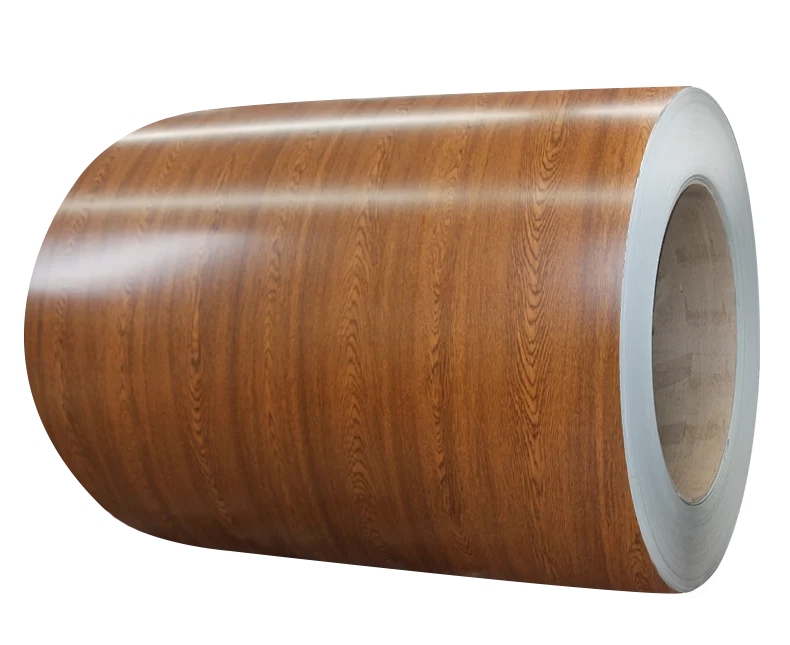
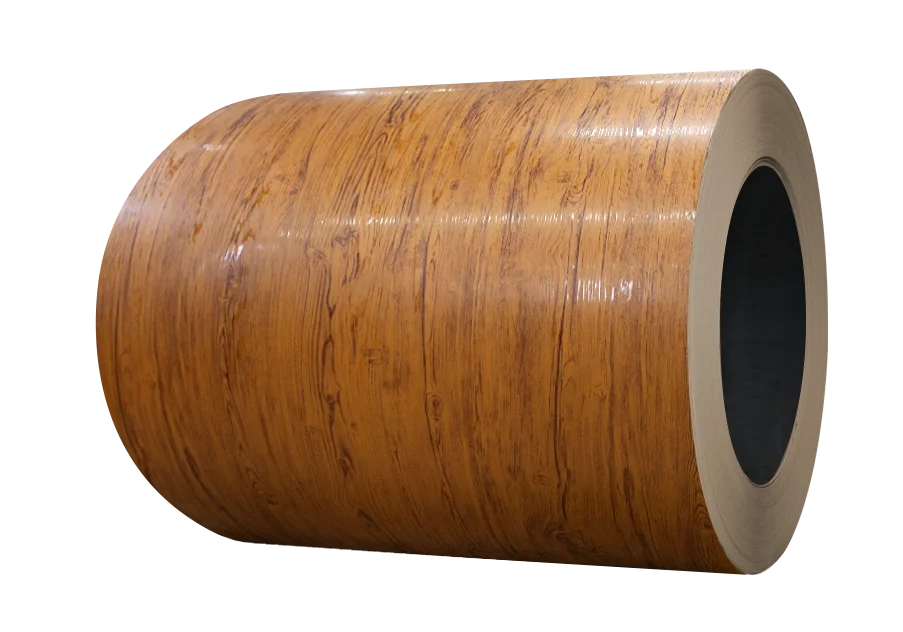
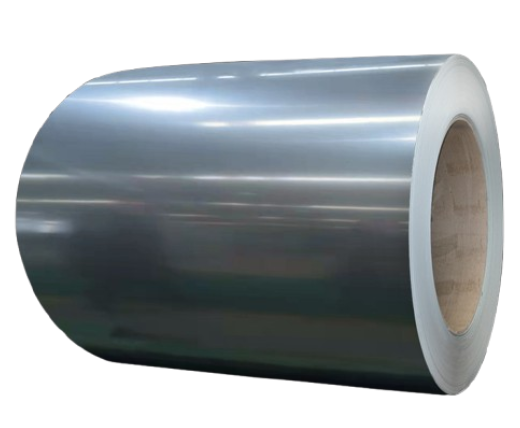
Quick Answer: Prepainted aluminium is an aluminium sheet or coil that receives a factory-applied organic coating before being cut, bent, roll-formed, or fabricated into finished products. According to the European Coil Coating Association (ECCA), coil coating is a continuous industrial process that ensures consistent coating application and controlled quality. The final performance of prepainted aluminium depends on factors such as the alloy, surface pretreatment, coating system, forming requirements and exposure environment, rather than just its colour or paint type.
What Is Prepainted Aluminum?
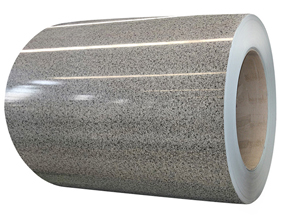
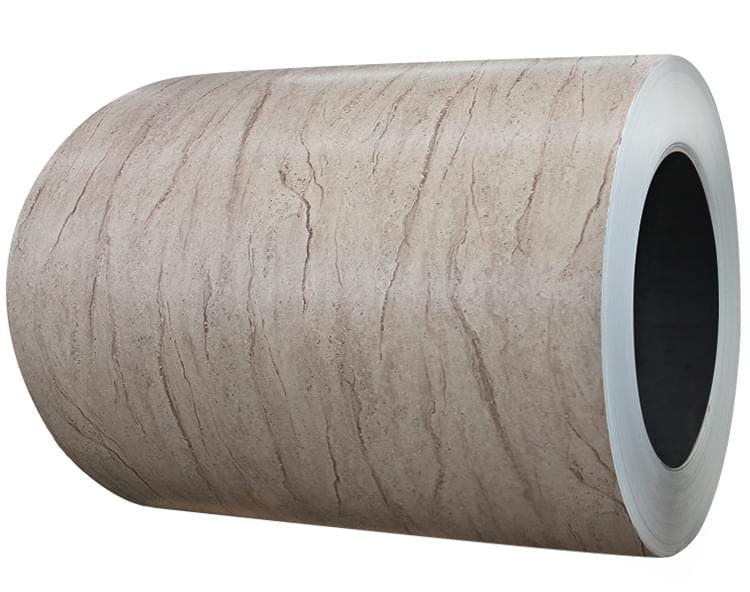
Prepainted aluminium, also known as pre-painted aluminium, coil-coated aluminium or colour-coated aluminium, is aluminium material that is coated in a controlled manufacturing environment before being converted into its final shape. Unlike post-painted aluminium, which receives its finish after fabrication or installation, prepainted aluminium is typically coated as a continuous strip on a coil coating line. This coated material can then be rewound and supplied for further processes, such as slitting, shearing, stamping, bending, corrugating or roll forming.
The defining feature is not simply that paint has been applied to aluminium. Rather, it is that the coating process is integrated into a controlled production line where surface preparation, coating application, curing and inspection can be consistently managed. This approach helps manufacturers to achieve a more uniform appearance and predictable surface performance across large quantities of material. However, achieving a high-quality finish still depends on compatibility between the aluminium alloy, pretreatment chemistry, coating formulation, curing conditions and intended fabrication method.
Prepainted aluminium is widely used in building envelopes, roofing, wall cladding, ceilings, signage, transportation components and appliance panels. It combines aluminium’s relatively low weight and corrosion resistance with a coloured, functional surface designed for a specific service environment. Depending on the coating system, the finish may prioritise outdoor weatherability, colour retention, flexibility during forming, chemical resistance or a decorative appearance.
How Is Prepainted Aluminum Manufactured?
The quality of prepainted aluminum begins well before the paint reaches the metal. A typical coil coating line processes the aluminum strip through several connected stages, each affecting the final finish and its service life.
- Uncoiling and surface inspection: The aluminum coil is unwound and inspected for surface defects, contamination, and inconsistencies that could affect the finished coating.
- Cleaning and degreasing: Oils, dust, rolling residues, and other contaminants are removed to prepare the surface for subsequent treatment.
- Chemical pretreatment: A suitable conversion or pretreatment system improves coating adhesion and helps protect the metal against corrosion. The chemistry should be selected to meet the product’s environmental requirements and applicable regulations.
- Primer application: Where the coating system requires it, a primer creates an intermediate layer that supports adhesion and contributes to overall protection.
- Topcoat application: The selected paint resin and pigments provide the specified color, gloss, texture, and surface resistance.
- Curing and cooling: The coating passes through a controlled curing process so the film develops the required properties. The actual metal temperature and curing schedule must be appropriate for the coating chemistry.
- Inspection and recoiling: The finished strip is checked against the agreed requirements and rewound for storage, transport, and further fabrication.
The continuous process allows coating conditions to be controlled across a long strip, but it does not guarantee that every prepainted aluminum product will perform equally well. Insufficient pretreatment can contribute to adhesion failure, while inappropriate curing can affect hardness, flexibility, and chemical resistance. ECCA identifies coating thickness, gloss retention, bend performance, hardness, and other properties as relevant testing considerations for prepainted metal.
What Are the Main Types of Prepainted Aluminum Coatings?
The coating resin strongly influences how prepainted aluminum performs in its intended environment. Polyester, high-durability polyester, polyvinylidene fluoride (PVDF), and fluoroethylene vinyl ether (FEVE) are common options in architectural and industrial applications. These categories are not interchangeable, and the best choice depends on exposure conditions, fabrication requirements, appearance expectations, and budget.
Common coating systems used for prepainted aluminum.
| Coating type | Typical strengths | Common applications | Important considerations |
| Polyester (PE) | Broad color selection, economical finish, suitable flexibility for many products | Interior panels, general-purpose roofing, signage, and cost-sensitive applications | Exterior durability depends on formulation and exposure; confirm the required weathering performance. |
| High-durability polyester (HDP) | Improved weathering performance over many standard polyester systems | Roofing, cladding, and commercial building components | Performance varies by product formulation and should be supported by test data |
| PVDF | Strong weatherability and color-retention characteristics in appropriately formulated systems | Architectural facades, exterior cladding, and projects with demanding appearance requirements | Specify the complete coating system and relevant performance standard rather than relying on the resin name alone. |
| FEVE | Available in high-performance architectural systems with weatherability and gloss-retention benefits | Architectural panels and exterior metal applications | Confirm the particular resin formulation, curing system, and tested performance |
| Polyurethane (PU) | Can provide useful flexibility, abrasion resistance, or chemical resistance depending on formulation | Selected industrial panels and specialized coated products | Properties are formulation-dependent; confirm suitability for the actual exposure and forming process |
A common purchasing mistake is to assume that a coating name alone establishes durability. Two products described as polyester or PVDF may differ in resin formulation, pigment quality, film thickness, pretreatment, and curing control. A specification should therefore state the required performance, relevant test methods, coating construction, and warranty conditions instead of relying on a generic product label.
What Are the Advantages of Prepainted Aluminum?
Prepainted aluminium offers more than just a ready-made colour. It is valued for combining a lightweight metal substrate with a coating that is applied in a controlled factory environment. This reduces the need for separate painting operations during downstream manufacturing. For high-volume production, this can simplify material handling, improve finish consistency and reduce the time taken to produce finished components from raw materials.
One of its main advantages is consistent appearance. The continuous coating process enables control over colour, gloss and film application across the strip, subject to process capability and quality controls. This is particularly useful for construction projects where roof panels, façade elements, trims and accessories must look consistent when installed together. Ordering materials with the same coating specification and approved colour reference can also help to reduce visible differences between production batches.
Formability and corrosion protection are equally important. Aluminium can be cut and formed into a wide range of shapes, and a properly selected coating system can retain adhesion during the intended fabrication process while providing additional surface protection. However, these benefits are conditional: a coating that performs well on a flat panel may crack or lose adhesion if the substrate temperature, bend radius, coating flexibility, or forming direction is unsuitable. Edges, cut-outs, fasteners, and areas where the coating is damaged also require attention, as it is the complete assembly that determines how well the material withstands its environment.
Prepainted aluminum can also support efficient material use by arriving at the fabricator ready for conversion, reducing the need for separate on-site coating. Whether this translates into a lower overall cost depends on order volume, fabrication complexity, coating requirements, waste rates, and the local cost of alternative finishing processes.
Where Is Prepainted Aluminum Used?
The combination of low weight, formability, and a finished surface makes prepainted aluminum suitable for several manufacturing sectors. Its specification should reflect the demands of the end product rather than treating all applications as equivalent.
- Building and construction: Roofing sheets, wall cladding, facade panels, soffits, ceilings, gutters, and architectural trim benefit from the range of colors and finishes. Exterior applications need a coating system appropriate for sunlight, moisture, temperature variation, and local pollution or salt exposure.
- Signage and display systems: Signboards, advertising panels, display housings, and decorative panels use prepainted aluminum when a consistent finish and convenient fabrication are important. Color matching, surface flatness, and resistance to handling marks may be key purchasing criteria.
- Home appliances and interior products: Panels for selected appliances, cabinets, furniture, and interior decorative components can use prepainted aluminum to achieve a specified color or texture while avoiding a separate painting step.
- Transportation and industrial equipment: Covers, enclosures, trims, and selected vehicle or equipment components may use coated aluminum where weight and surface appearance matter. The coating must be checked for resistance to the relevant chemicals, abrasion, heat, and forming conditions.
- Electrical and general manufacturing: Enclosures, equipment panels, and fabricated components may benefit from the ready-coated surface, provided the coating does not interfere with electrical contact points, bonding, grounding, or other functional requirements.
For every application, buyers should distinguish between decorative requirements and functional requirements. A panel that looks attractive in an indoor environment may not have the weatherability needed for a sun-exposed facade, while a coating optimized for outdoor color retention may not be the most economical choice for a concealed interior component.
How to Choose the Right Prepainted Aluminum?
Choosing prepainted aluminum requires a coordinated specification for the substrate, coating, fabrication process, and service environment. Start by describing where the material will be used, how it will be processed, and what level of appearance or performance must be maintained. This gives suppliers a clear basis for recommending the alloy, temper, thickness, coating system, and inspection criteria.
Key purchasing specifications for prepainted aluminum.
| Specification | What to confirm | Why it matters |
| Aluminum alloy and temper | Exact alloy designation and temper, supported by material documentation | Determines strength, formability, and suitability for the intended fabrication |
| Thickness and width | Nominal dimensions, tolerances, and measurement method | Affects structural performance, forming, fit, and material yield |
| Coating system | Resin type, primer and topcoat arrangement, and backcoat requirements | Defines the intended appearance and protective functions |
| Coating thickness | Required dry-film thickness for each relevant coating layer or side | Helps establish conformity when assessed using the agreed method |
| Color and gloss | Approved color reference, gloss range, and sample approval procedure | Reduces the risk of visible differences between batches |
| Adhesion and flexibility | Required test methods and acceptance criteria | Checks whether the coating can withstand the intended forming process |
| Weathering and corrosion resistance | Relevant exposure conditions, performance tests, and warranty terms | Helps match the coating to the installation environment |
| Surface protection and packaging | Protective film, interleaving, edge protection, and storage conditions | Reduces the risk of scratches, moisture staining, and handling damage |
| Quantity and delivery | Coil or sheet dimensions, order volume, lead time, and batch traceability | Supports production planning and consistency across repeat orders |
Understand the Standards Before Comparing Quotes
In North America, the AAMA 2603, AAMA 2604, and AAMA 2605 coating specifications are commonly referenced for architectural applications to distinguish between different levels of organic coating performance. While they address aspects of coating quality and durability, they should not be considered a universal guarantee for all pre-painted aluminium products or environments. Always confirm the applicable edition, product scope, coating application method and test requirements with the project specifier and supplier. In European markets, the ECCA and EN 13523 test methods are also relevant for properties such as film thickness, gloss retention, bend performance, hardness and chalking.
A coating thickness value alone does not guarantee that a product will last for a specified number of years. Service life depends on the full coating system, substrate preparation, forming damage, installation details, cleaning and maintenance, and environmental exposure. If a supplier makes a durability claim, ask what test results and warranty conditions support it and whether these correspond to the product being quoted.
Check Fabrication and Installation Compatibility
The final product is often cut, bent, punched, embossed, or roll-formed after coating. Therefore, buyers should confirm the intended forming method and minimum bend requirements before production begins, particularly if the design includes tight bends or complex profiles. For applications involving adhesive bonding, sealants, thermal exposure, or electrical connections, it is important to confirm that the coating is compatible with these processes and to identify areas that require masking or a different surface treatment.
Storage and handling are also part of quality control. Coated coils and sheets must be protected from moisture entrapment, prolonged condensation, scratches, and incompatible packaging materials. During installation, damaged areas and cut edges should be handled according to the supplier’s recommendations, particularly in coastal or chemically aggressive environments. Even a carefully chosen coating can underperform if the material is stored or fabricated incorrectly.
Prepainted Aluminum vs. Post-Painted Aluminum
The main difference between pre-painted and post-painted aluminium is how and when the coating is applied. Pre-painted aluminium is coated before fabrication, typically via a continuous coil coating process, whereas post-painted aluminium is painted after the component has been formed, assembled or installed. Both methods have their merits, but the choice affects production workflow, finish consistency, repair options and project economics.
Pre-painted aluminium is often advantageous for the repeat production of standardised profiles and panels because the finish is applied in a controlled factory environment before the material reaches the fabricator. Post-painting may be more practical for irregular shapes, large assembled structures, customised repairs or components whose final geometry makes coil coating impractical. The most appropriate comparison considers the finished component, not just the price of the raw material: fabrication steps, coating waste, masking, labour, rework and quality inspection can all affect the total cost.
Neither method automatically produces a more durable finish in every situation. Performance depends on coating chemistry, surface preparation, curing, application quality, exposure, and maintenance. For projects with demanding exterior requirements, specify the actual coating performance and test criteria instead of assuming that factory-applied paint is always superior.
Common Problems and Quality Checks
Although prepainted aluminum is manufactured under controlled conditions, buyers and fabricators should still inspect the material for defects that could affect appearance or service performance. Common concerns include color variation, scratches, uneven gloss, poor adhesion, pinholes, coating cracks after forming, and moisture-related staining during storage. Some defects originate in coating production, while others develop during slitting, transport, fabrication, or installation.
A practical incoming inspection should include the following checks:
- Visual appearance: Compare color and gloss with the approved sample under consistent lighting, and inspect for scratches, streaks, dents, and visible coating defects.
- Dimensions and traceability: Confirm thickness, width, alloy and temper documentation, coil identification, and batch records against the purchase specification.
- Coating performance: Where required, verify dry-film thickness, adhesion, flexibility, hardness, and other properties using the agreed test methods.
- Forming performance: Test representative material using the intended tooling and bend geometry before committing to a large production run.
- Packaging and storage: Check protective film, edges, and packaging for damage or signs of moisture exposure, and follow the supplier’s storage instructions.
The acceptance criteria should be agreed before delivery, especially for architectural projects where appearance consistency and long-term weatherability are important. If a defect is discovered, document its location, appearance, batch number, and processing history before attempting repair; this information helps determine whether the issue originated in the coating, handling, or fabrication stage.
Frequently Asked Questions About Prepainted Aluminum
- What is prepainted aluminum used for?
Prepainted aluminum is used for roofing, wall cladding, facade panels, ceilings, signage, appliance panels, and selected industrial components. It combines aluminum’s lightweight properties with a factory-applied finish designed for the intended application.
- Is prepainted aluminum better than plain aluminum?
Prepainted aluminum provides a ready-made colored surface and may reduce the need for separate painting after fabrication. Plain aluminum offers greater flexibility when a component needs a different finishing process or when the coating is unnecessary.
- What is the difference between PE and PVDF prepainted aluminum?
PE, or polyester, is commonly selected for cost-sensitive applications and many general-purpose products, while suitable PVDF systems are often specified for demanding architectural weatherability and color retention. The actual performance depends on the complete coating formulation, application quality, and relevant test requirements.
- Does prepainted aluminum rust?
Aluminum does not develop iron rust, although it can corrode under certain environmental conditions. A suitable coating can provide additional surface protection, but damaged coatings, unsuitable installation details, and aggressive exposure may still lead to deterioration.
- How thick is the coating on prepainted aluminum?
There is no single coating thickness that applies to every prepainted aluminum product, because requirements vary by coating system, application, and performance specification. Buyers should confirm the required dry-film thickness and measurement method for the exact product being purchased.
- Can prepainted aluminum be bent or roll-formed?
Yes, many prepainted aluminum products are designed to be bent or roll-formed after coating. The suitable bend radius and forming limits depend on the aluminum alloy and temper, coating flexibility, material thickness, and forming conditions.
Conclusion
Prepainted aluminium is a factory-coated aluminium product designed to combine a consistent finished appearance with the useful mechanical and physical properties of the substrate. Its performance is determined by the entire system, including the aluminium alloy and temper, surface pretreatment, primer and topcoat, curing conditions, fabrication method and the environment in which the finished component will operate.
The most reliable approach for buyers is to first define the intended application, then specify the substrate, coating system, dimensions, appearance, testing requirements and packaging conditions. Suppliers should be compared against these measurable requirements rather than being selected based on colour, resin name or price alone. When the coating and substrate are correctly matched to the application, pre-painted aluminium can provide an efficient, dependable material solution for architectural, industrial and decorative manufacturing.