

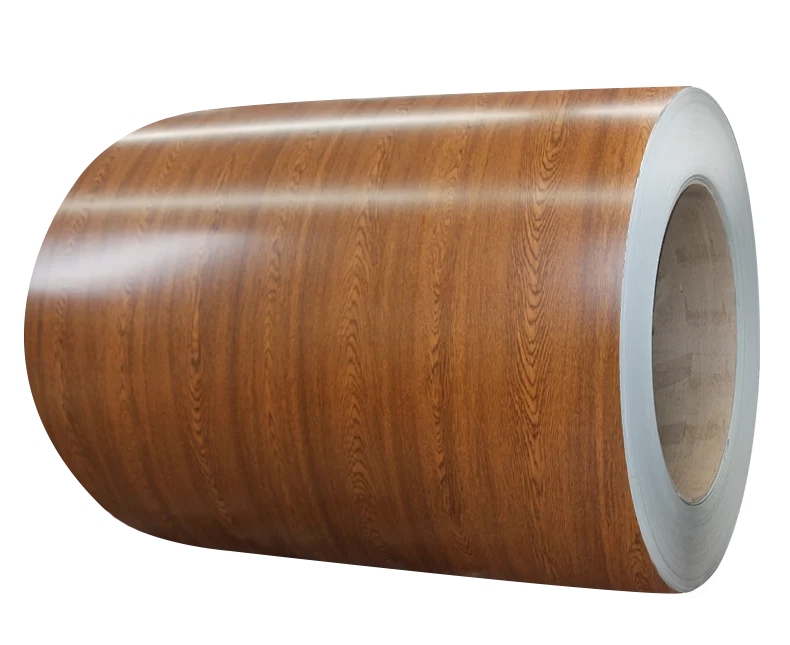
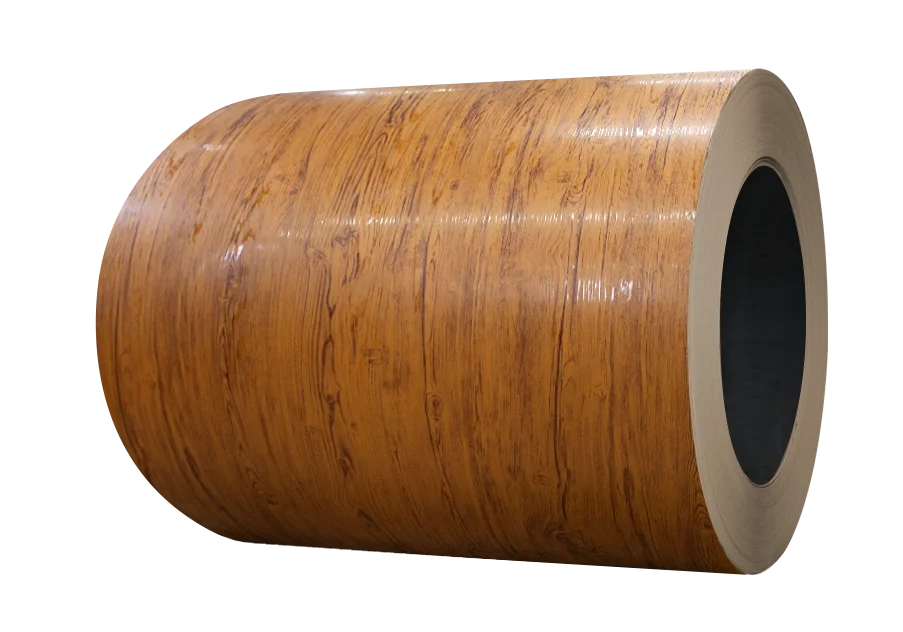
Both laminate and PVC laminate are decorative surface materials used for furniture, cabinets, panels, and interior applications. However, they differ in terms of their composition, manufacturing process, and performance characteristics. According to the principles of materials described in NEMA LD 3 (High-Pressure Decorative Laminates), traditional laminate is typically produced by impregnating layers of kraft and decorative paper with thermosetting resins. In contrast, PVC laminate uses polyvinyl chloride film layers that provide enhanced flexibility, moisture resistance, and surface customisation.
Introduction to Laminate and PVC Laminate
When choosing materials for furniture, interior decoration, cabinets, wall panels, and industrial applications, buyers often compare laminate and PVC laminate. Both materials are designed to enhance the appearance, durability, and protection of surfaces, but they have different structures and performance characteristics.
Confusion often arises because both products can imitate natural materials such as wood, stone, metal, and fabric textures. While laminate and PVC laminate may appear similar from a visual perspective, their manufacturing technologies, raw materials, and application advantages vary significantly.
Traditional laminate is widely recognised for its hardness, scratch resistance, and long service life, making it popular for use in commercial furniture, countertops, and high-wear surfaces. In contrast, PVC laminate has gained popularity due to its flexibility, waterproof properties, lightweight structure, and ability to cover complex shapes.
The choice between laminate and PVC laminate depends on several factors, including the application environment, required durability, moisture exposure, design requirements, and installation method.
This article explains the differences between the two types of laminate, compares their properties, and helps manufacturers, designers, and buyers select the most suitable surface material.
What Is Laminate?
Laminate is a decorative, multi-layered surface material created by bonding several layers of resin-impregnated paper under high pressure and temperature.
The most common type is high-pressure laminate (HPL), which is manufactured by compressing the following layers:
- A decorative paper layer;
- Kraft paper layers;
- A protective overlay layer.
The resin used in laminate production creates a dense and durable structure. During manufacturing, heat and pressure cause the resin to harden, forming a surface that is highly resistant to abrasion, impact, and daily wear.
A typical laminate structure includes:
-
Overlay Layer
The transparent protective layer provides resistance against:
- Scratches
- Abrasion
- UV exposure
- Surface damage
-
Decorative Layer
This layer determines the visual appearance of the laminate, including:
- Wood patterns
- Stone textures
- Solid colors
- Custom designs
-
Core Layer
The Kraft paper layers provide thickness, strength, and dimensional stability.
Because of its rigid structure, laminate is commonly bonded onto substrates such as:
- MDF boards
- Particle boards
- Plywood
- Solid wood panels
What Is PVC Laminate?
PVC laminate is a decorative surface material primarily made from polyvinyl chloride (PVC) resin. Unlike traditional laminate, which is paper-based and impregnated with resin, PVC laminate is a plastic-based material produced using extrusion, calendaring, or film lamination processes.
PVC laminate usually consists of:
- A PVC base layer;
- A decorative printed layer;
- A protective surface coating.
The polymer structure gives PVC laminate several unique advantages, particularly in environments where moisture resistance and flexibility are important.
Key characteristics of PVC laminate include:
- Waterproof performance
- Lightweight construction
- Easy cleaning
- Flexible forming capability
- Wide range of colours and textures
Because PVC sheets can be thermoformed, they are frequently used for curved furniture surfaces, kitchen cabinets, bathroom panels, and decorative wrapping applications.
Unlike rigid laminate sheets, PVC laminate can adapt to irregular surfaces, making it ideal for projects requiring seamless edges and intricate designs.

Key Differences Between Laminate and PVC Laminate
Although both materials serve similar decorative purposes, their differences mainly come from their raw materials and manufacturing technologies.
-
Material Composition
The biggest difference is the base material.
Traditional laminate relies on paper layers combined with thermosetting resin, creating a rigid and dense surface.
PVC laminate uses polyvinyl chloride polymer, resulting in a more flexible and moisture-resistant product.
-
Durability and Surface Performance
Laminate generally offers excellent resistance to:
- Scratches
- Heat
- Impact
- Heavy daily use
This makes it suitable for high-traffic commercial environments.
PVC laminate provides good durability but focuses more on flexibility, waterproofing, and decorative versatility.
-
Moisture Resistance
PVC laminate has a natural advantage in moisture-sensitive applications because PVC itself does not absorb water.
This makes it suitable for:
- Bathrooms
- Kitchens
- Marine environments
- Humid regions
Traditional laminate can also provide moisture resistance, but the substrate and edge sealing quality are important factors affecting performance.
-
Installation Flexibility
Because PVC laminate is flexible, it can be wrapped around curved edges and complex shapes.
Traditional laminate is generally more rigid and requires flatter surfaces and more precise installation.
Laminate vs PVC Laminate Comparison
| Feature | Laminate | PVC Laminate |
| Main Material | Decorative paper + resin | Polyvinyl chloride (PVC) polymer |
| Manufacturing Method | High-pressure compression | PVC extrusion, coating, or film lamination |
| Surface Hardness | Very high | Moderate to high |
| Flexibility | Limited | Excellent |
| Water Resistance | Good with proper sealing | Excellent |
| Scratch Resistance | Excellent | Good |
| Shape Formability | Mainly flat surfaces | Suitable for curved surfaces |
| Common Applications | Countertops, furniture, and commercial interiors | Cabinets, wall panels, furniture wrapping |
Applications of Laminate and PVC Laminate
Both materials are widely used across residential, commercial, and industrial markets.
-
Furniture Manufacturing
Furniture manufacturers use laminate and PVC laminate to improve appearance and durability.
Common products include:
- Office desks
- Wardrobes
- Storage cabinets
- Shelving systems
- Decorative panels
Laminate is often selected for premium flat surfaces requiring strong wear resistance, while PVC laminate is preferred for furniture requiring seamless edges and moisture protection.
-
Kitchen and Bathroom Applications
Kitchen and bathroom environments require materials that can withstand humidity, cleaning chemicals, and frequent use.
PVC laminate is widely used for:
- Kitchen cabinet doors
- Bathroom vanities
- Decorative wall panels
Its waterproof properties make it suitable for areas exposed to moisture.
-
Interior Decoration
Architects and designers use both materials for creating customized interior spaces.
Applications include:
- Wall coverings
- Door surfaces
- Decorative partitions
- Exhibition displays
The availability of realistic textures allows manufacturers to achieve wood, marble, and metal appearances without using expensive natural materials.
Manufacturing Process Differences Between Laminate and PVC Laminate
The performance differences between laminate and PVC laminate are closely related to their manufacturing technologies. Although both materials are designed as decorative surface solutions, the production methods create different physical characteristics.
Laminate Manufacturing Process
Traditional laminate production mainly involves multiple layers of paper and resin processing.
The typical manufacturing steps include:
-
Paper Impregnation
Decorative paper and kraft paper are impregnated with thermosetting resins, commonly phenolic resin for the core layers and melamine resin for the decorative surface.
This process improves:
- Mechanical strength
- Heat resistance
- Surface hardness
- Chemical resistance
-
Layer Assembly
The impregnated papers are arranged in a specific order:
- Protective overlay paper
- Decorative paper
- Kraft paper core layers
The arrangement determines the final thickness and performance characteristics.
-
High-Pressure Pressing
The assembled layers are compressed under high temperature and pressure. During this process, the resin cures and creates a dense, stable structure.
The result is a rigid decorative sheet with excellent resistance to wear and impact.
PVC Laminate Manufacturing Process
PVC laminate production uses polymer processing technologies rather than paper-resin compression.
The main steps include:
-
PVC Resin Preparation
PVC resin is mixed with additives such as:
- Stabilizers
- Plasticizers
- Pigments
- Processing aids
These additives influence flexibility, color stability, and durability.
-
Film Formation
The PVC material is processed through extrusion or calendaring equipment to create continuous sheets or films.
Manufacturers can adjust:
- Thickness
- Surface texture
- Gloss level
- Flexibility
-
Surface Printing and Coating
Decorative patterns are added through printing technology, followed by protective coatings to improve:
- Scratch resistance
- UV stability
- Surface protection
This manufacturing approach allows PVC laminate to achieve highly customized designs and three-dimensional textures.
Performance Comparison: Durability, Waterproofing, and Maintenance
When comparing laminate vs PVC laminate, there is no single material that is better for every application. The correct choice depends on the environment and performance requirements.
-
Durability
Traditional laminate generally has an advantage in heavy-wear applications.
Its dense resin structure provides:
- High impact resistance
- Strong abrasion resistance
- Long service life
For commercial furniture, office surfaces, and high-use countertops, laminate is often preferred.
PVC laminate provides good durability but is usually selected when flexibility and moisture resistance are more important than extreme surface hardness.
-
Waterproof Performance
PVC laminate has a natural advantage because PVC is a non-porous polymer material.
It provides:
- Low water absorption
- Resistance to humidity
- Easy cleaning
- Better performance in wet environments
This makes PVC laminate especially suitable for:
- Bathroom cabinets
- Kitchen furniture
- Moisture-prone areas
Laminate can also perform well in humid conditions, but water resistance depends heavily on:
- Edge sealing
- Substrate quality
- Installation method
-
Maintenance Requirements
Both materials are relatively easy to maintain.
Laminate Maintenance
Recommended practices include:
- Cleaning with mild detergents
- Avoiding excessive moisture at edges
- Preventing prolonged exposure to extreme heat
PVC Laminate Maintenance
- PVC laminate requires:
- Regular surface cleaning
- Avoidance of harsh solvents
- Protection from excessive heat sources
Because PVC laminate has a smooth, non-porous surface, stains are generally easier to remove.
Choosing Between Laminate and PVC Laminate
| Application Requirement | Recommended Material | Reason |
| High-traffic commercial surfaces | Laminate | Higher hardness and abrasion resistance |
| Kitchen cabinet doors | PVC laminate | Better moisture resistance and flexible forming |
| Bathroom furniture | PVC laminate | Waterproof polymer structure |
| Office desks and countertops | Laminate | Strong wear resistance |
| Curved decorative panels | PVC laminate | Excellent flexibility and wrapping capability |
| Premium interior surfaces | Laminate or high-end PVC laminate | Depends on design and performance needs |
How to Select the Right Material for Different Applications?
Selecting between laminate and PVC laminate requires evaluating several practical factors rather than focusing only on appearance.
-
Consider the Working Environment
The surrounding environment is one of the most important factors.
For dry indoor applications such as:
- Office furniture
- Retail displays
- Commercial tables
Laminate is often a reliable choice because of its hardness and durability.
For humid environments such as:
- Bathrooms
- Kitchens
- Coastal buildings
PVC laminate may provide better long-term performance because of its moisture resistance.
-
Consider Surface Shape Requirements
The shape of the final product also affects material selection.
Laminate works best for:
- Flat panels
- Straight edges
- Rigid structures
PVC laminate is more suitable for:
- Curved doors
- Profile wrapping
- Complex furniture designs
This flexibility has made PVC laminate increasingly popular in modern furniture manufacturing.
-
Consider Appearance and Design Options
Both materials provide extensive decorative choices.
Modern manufacturing technologies allow both laminate and PVC to imitate:
- Natural wood
- Marble
- Metal
- Fabric textures
- Concrete surfaces
PVC laminate often provides additional advantages in three-dimensional textures because polymer films can be embossed with detailed surface patterns.
Industry Trends and Future Development
The decorative surface materials industry is moving toward solutions that combine aesthetics, durability, sustainability, and manufacturing efficiency.
Several trends are influencing the development of laminate and PVC laminate products.
-
More Realistic Surface Designs
Advances in digital printing and embossing technologies allow manufacturers to create increasingly realistic textures.
Consumers now expect decorative materials to reproduce the appearance of natural materials while offering better consistency and easier maintenance.
-
Improved Environmental Performance
Manufacturers are developing materials with:
- Lower VOC emissions
- More recyclable components
- Environmentally responsible production processes
Both the laminate and PVC laminate industries continue improving production methods to meet stricter environmental standards.
-
Growth of Customized Furniture Manufacturing
The rise of customized furniture has increased demand for flexible surface materials.
PVC laminate benefits from this trend because it can be wrapped onto complex shapes, while laminate remains popular for durable, premium flat surfaces.
For companies requiring customized decorative surface solutions, manufacturers such as Woda New Materials provide advanced laminate and PVC laminate products designed for different application requirements, including furniture, interior decoration, and industrial surface applications.
Frequently Asked Questions (FAQ)
- Is PVC laminate better than regular laminate?
PVC laminate is not always better; it depends on the application. PVC laminate offers superior flexibility and moisture resistance, while traditional laminate usually provides higher hardness and scratch resistance.
- What is the main difference between laminate and PVC laminate?
The main difference is the material composition. Laminate is made from resin-impregnated paper layers compressed under high pressure, while PVC laminate is made from polyvinyl chloride polymer layers.
- Is PVC laminate waterproof?
Yes, PVC laminate has excellent waterproof properties because PVC is a non-porous plastic material. It is commonly used in kitchens, bathrooms, and humid environments.
- Which lasts longer, laminate or PVC laminate?
The service life depends on usage conditions. Laminate generally performs better in high-abrasion environments, while PVC laminate may last longer in areas exposed to moisture.
- Can PVC laminate be used for kitchen cabinets?
Yes. PVC laminate is widely used for kitchen cabinets because it provides moisture resistance, easy cleaning, and flexible design options.
- Is laminate environmentally friendly?
Modern laminate products can meet environmental standards through improved resin systems, low-emission manufacturing processes, and responsible material sourcing. Environmental performance depends on the specific product and manufacturer.
Conclusion
The main differences between laminate and PVC laminate lie in their material structure, manufacturing process, and intended applications. Traditional laminate is a high-pressure decorative material renowned for its hardness, scratch resistance, and durability, making it ideal for high-use surfaces such as countertops, office furniture, and commercial interiors.
In contrast, PVC laminate is a polymer-based decorative material offering exceptional moisture resistance, flexibility, and design versatility. Its ability to cover curved surfaces and perform well in humid environments makes it particularly well-suited to kitchen cabinets, bathroom furniture, and customised interior applications.
Neither material is universally superior. The best choice depends on the specific requirements of the project, including environmental conditions, surface design, durability expectations, and manufacturing processes. Understanding the differences between laminate and PVC laminate enables designers, furniture manufacturers, and buyers to select the right material to achieve both functional performance and visual appeal.