
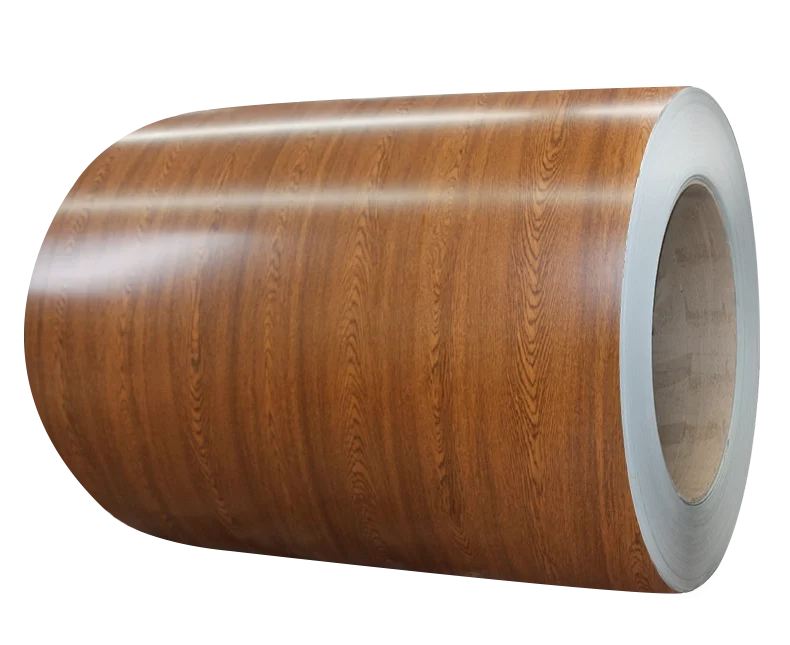
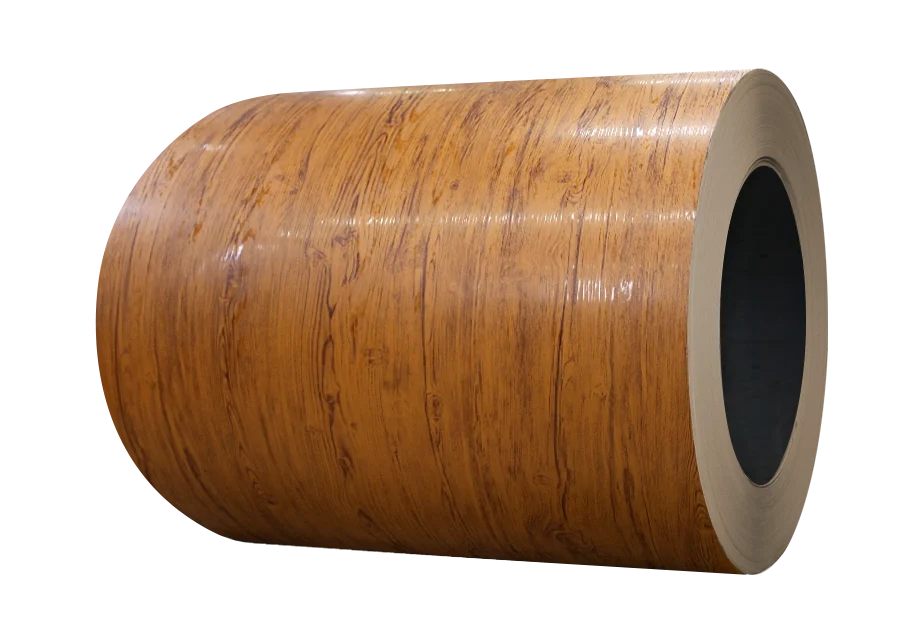
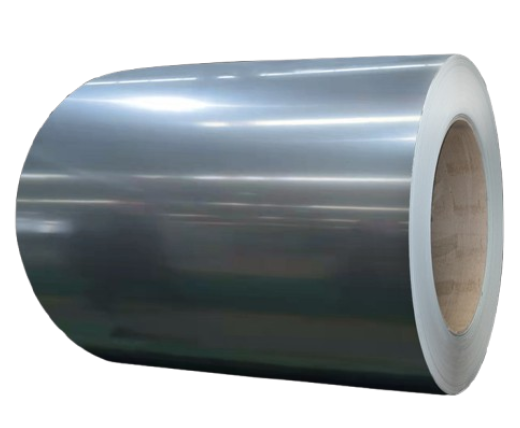
Article Summary: No, prepainted Galvalume steel and galvanised steel are not the same material, although both use metallic coatings to protect steel from corrosion. Galvanized steel is primarily coated with zinc, whereas Galvalume steel uses an aluminium-zinc alloy coating containing approximately 55% aluminium, 43.4% zinc, and 1.6% silicon. When either steel receives an additional factory-applied paint system, it becomes a prepainted product. ASTM A653/A653M covers zinc-coated (galvanised) steel sheet, whereas ASTM A792/A792M covers steel sheet coated with a 55% aluminium-zinc alloy, providing an important distinction based on standards.
Are Prepainted Galvalume Steel and Galvanized Steel the Same?
Although prepainted Galvalume steel and galvanised steel are related products, they are not interchangeable terms. The main difference lies in the metallic coating applied to the steel substrate. Galvanised steel uses a zinc coating, whereas Galvalume steel is protected by an aluminium-zinc alloy coating. Both can be further processed with primer and topcoat layers to create pre-painted steel products, but their coating chemistry and corrosion protection mechanisms remain different.
The distinction becomes clearer when the product names are broken down. ‘Galvanized’ identifies a zinc-coated steel substrate, ‘Galvalume’ identifies a steel substrate coated with an aluminium-zinc alloy, and ‘prepainted’ indicates that a paint system has been applied to the metallic-coated surface, usually through a continuous coil-coating process. Therefore, ‘prepainted galvanized steel‘ generally refers to painted zinc-coated steel, whereas ‘prepainted Galvalume steel’ refers to painted aluminium-zinc-coated steel.
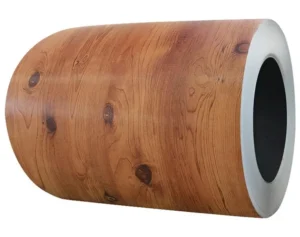
This distinction is important when specifying roofing panels, wall cladding, building components, appliance housings and other products that are exposed to the weather or demanding operating conditions. A buyer who requests only ‘pre-painted galvanised steel’ may receive a different substrate from one who specifies ‘pre-painted Galvalume steel’. To avoid confusion, procurement documents should specify the type of metallic coating, coating mass, steel grade, paint system, thickness, finish and applicable standard, rather than relying on a general commercial description.
What Is the Difference Between Galvanized Steel and Galvalume Steel?
The primary distinction is the composition of the metallic protective coating. Galvanized steel is coated with zinc, while Galvalume steel is coated with an aluminum-zinc-silicon alloy. These coatings protect the underlying steel through different combinations of barrier protection and sacrificial corrosion protection.
Galvanized Steel: Zinc-Coated Protection
Galvanised steel is typically produced by passing a prepared steel sheet through a molten zinc bath in a continuous hot-dip galvanising process. This forms a protective coating on the steel surface. Zinc provides two key forms of protection: it acts as a physical barrier, limiting the steel’s contact with moisture and oxygen, and it provides sacrificial protection when small areas of steel are exposed due to scratches or cut edges.
This sacrificial mechanism is particularly valuable because zinc is more electrochemically active than steel. When the two metals are electrically connected in the presence of an electrolyte, the zinc corrodes preferentially, thereby helping to protect the exposed steel over a limited area. The degree of protection depends on the thickness of the coating, environmental exposure, the condition of the surface, and the size and location of any damage. Galvanised steel is therefore widely used in construction, for automotive components, in HVAC systems, in agricultural equipment, in electrical enclosures, and in general manufacturing.
Galvalume Steel: Aluminum-Zinc Alloy Protection
Galvalume steel uses a metallic coating containing approximately 55% aluminum, 43.4% zinc, and 1.6% silicon by weight. The aluminum-rich composition provides a relatively stable barrier against environmental exposure, while zinc contributes sacrificial protection at cut edges and damaged areas. Silicon is included primarily to help control the coating’s interaction with the steel substrate during the hot-dip coating process.
The combined coating mechanism gives Galvalume steel a different corrosion-resistance profile from conventional galvanized steel. It is especially well established in roofing, wall cladding, and building-envelope applications, where resistance to atmospheric exposure and long-term surface durability are important. However, performance is not identical in every environment. Galvalume may be less suitable for certain conditions involving prolonged contact with standing water, aggressive alkaline materials, or specific dissimilar-metal combinations. Product selection should account for actual exposure conditions rather than assuming that one coating is universally superior.
Why the Coating Composition Matters?
The composition of the coating, whether zinc or aluminium-zinc, affects how the steel behaves during outdoor exposure, at cut edges, and under different forms of corrosion stress. Zinc coatings rely heavily on sacrificial protection, whereas Galvalume combines a barrier of aluminium with zinc’s sacrificial contribution. Neither coating can eliminate corrosion indefinitely, and both can deteriorate more quickly when the environment, detailing, or maintenance conditions are unsuitable.
The practical question for engineers and buyers is not simply which coating contains more protective metal. Rather, it is whether the coating system is appropriate for the application, taking into account factors such as expected humidity, salt exposure, pollutants, drainage conditions, contact with other materials, and the required service life.
What Does “Prepainted” Mean in Prepainted Galvalume and Prepainted Galvanized Steel?
‘Prepainted’ refers to an additional organic coating that is applied to a steel sheet with a metallic coating before it is delivered to the customer. In industrial production, this is typically done through continuous coil coating, whereby steel is unwound, cleaned, chemically pretreated, coated with primer and finish paint, cured in an oven, inspected, and then rewound. The result is a factory-finished steel coil that can be slit, roll-formed, bent, or fabricated into building products later on.
A typical prepainted steel coating system contains several functional layers. The metallic coating provides underlying corrosion protection, the pretreatment promotes adhesion between the metallic surface and the paint, the primer contributes to adhesion, flexibility and additional corrosion resistance, and the topcoat provides colour, gloss, weatherability and surface protection. Depending on the product specification, a backing coat may also be applied to the reverse side. The exact paint chemistry and film thickness vary according to the intended application and performance requirements.
Common topcoat systems include polyester, silicone-modified polyester, polyurethane, acrylic, plastisol and fluoropolymer coatings. These differ in properties such as UV resistance, colour retention, flexibility, chemical resistance, surface hardness and cost. For instance, a roofing panel exposed to intense sunlight would require better weather resistance than an interior partition panel. Therefore, selecting a paint system should involve more than just choosing a colour; the expected service environment, forming requirements, cleaning conditions and warranty criteria should also be considered.
It is important to understand that paint does not change the identity of the metallic substrate. Prepainted galvanized steel remains zinc-coated steel beneath its paint layers, while prepainted Galvalume steel retains its aluminum-zinc alloy coating. This is why two prepainted coils with the same color and similar paint thickness may still perform differently in service if their metallic substrates, coating masses, or edge conditions are different.
Prepainted Galvalume Steel vs. Prepainted Galvanized Steel: Key Differences
Both products are used in construction and manufacturing, but their coating systems are designed around different metallic substrates. Galvalume’s aluminum-zinc coating is often selected for exterior building applications where atmospheric corrosion resistance is a priority. Prepainted galvanized steel, meanwhile, offers the familiar zinc-based protection of galvanized sheet combined with a factory-applied paint finish. The best choice depends on the environment, forming process, required appearance, and expected service conditions.
| Comparison Factor | Prepainted Galvalume Steel | Prepainted Galvanized Steel |
| Metallic substrate coating | Aluminum-zinc-silicon alloy, typically 55% Al, 43.4% Zn, 1.6% Si | Primarily zinc |
| Relevant substrate standard | ASTM A792/A792M | ASTM A653/A653M |
| Metallic protection mechanism | Aluminum-rich barrier protection combined with zinc sacrificial protection | Zinc barrier and sacrificial protection |
| Typical application emphasis | Roofing, wall cladding, exterior building panels | Roofing, wall panels, appliances, HVAC, general fabrication |
| Paint system | Primer and topcoat applied over Galvalume | Primer and topcoat applied over galvanized steel |
| Edge and forming considerations | Cut-edge behavior and forming conditions need assessment | Zinc provides sacrificial protection at exposed steel areas, subject to coating availability |
| Main specification considerations | AZ coating designation, paint system, steel grade, forming requirements | G coating designation, paint system, steel grade, forming requirements |
Corrosion Resistance and Outdoor Exposure
One of the main reasons buyers compare these two products is corrosion performance. Galvalume is widely chosen for exterior building applications because its aluminium-rich coating provides a durable barrier against atmospheric exposure, and the zinc component offers sacrificial protection. Conventional galvanised steel relies more heavily on zinc’s sacrificial action. Galvalume can provide strong long-term corrosion performance under many outdoor atmospheric conditions, but the actual result depends on coating mass, paint system, panel design, exposure and maintenance.
It is important to note that corrosion resistance should not be judged from the coating name alone. A heavier galvanised coating may perform differently to a lighter one, and the formulation of the paint and the film thickness can significantly influence the performance of either pre-painted product. Coastal salt exposure, industrial pollutants, persistent moisture and poor drainage can also affect the outcome. For projects in coastal or aggressive industrial areas, buyers should request test data and application guidance for the specific coating and paint combination, rather than relying on the claim that one material always lasts longer.
Cut-Edge and Forming Performance
Cut edges are an important consideration for prepainted steel because cutting and fabrication expose the steel substrate and interrupt the continuous paint film. The metallic coating adjacent to the exposed edge can provide some protection, but the degree and behavior of that protection differ between zinc and aluminum-zinc coatings. Galvanized steel generally offers stronger sacrificial protection at small exposed steel areas, while Galvalume’s corrosion behavior involves the combined action of its aluminum-rich and zinc-rich phases. The extent of edge protection depends on coating type, edge geometry, exposure severity, and the condition of the surrounding paint.
Forming operations also affect coating integrity. Slitting, roll forming, bending, punching, and shearing can create scratches, microcracks, or coating damage if the material is processed outside its suitable forming range. The steel grade, substrate thickness, paint flexibility, coating adhesion, bend radius, tooling condition, and forming direction all matter. Manufacturers should verify that the selected prepainted coil is designed for the planned fabrication process and should follow the supplier’s recommendations for handling, storage, cutting, and touch-up.
Appearance, Color Retention, and Maintenance
Since both products use similar paint technologies, they may appear almost identical initially. A wide range of colours, gloss levels, textures and finishes can be specified for either substrate. However, long-term appearance depends mainly on the quality and thickness of the paint system, UV exposure, environmental pollutants, surface preparation and installation details. If the selected finish is unsuitable for its exposure conditions, chalking, fading, loss of gloss and localised coating damage are possible on either product.
The product supplier should define maintenance requirements based on the actual site environment. Periodic inspection can identify damaged paintwork, corrosion at cut edges, blocked drainage paths and areas where dissimilar materials are in contact. Cleaning may be necessary in polluted or marine environments, but aggressive chemicals and abrasive methods can damage the finish. A pre-painted product should not be considered maintenance-free just because it has a metallic coating and a paint layer.
Which Is Better for Roofing: Prepainted Galvalume or Prepainted Galvanized Steel?
Prepainted Galvalume steel is a strong candidate for many exterior roofing and wall cladding applications because its aluminium-zinc metallic coating is designed to provide a combination of barrier and sacrificial corrosion protection. It is widely used in metal roofing systems, siding, industrial buildings, agricultural structures, and other building envelope products. Its suitability is particularly relevant when long-term atmospheric exposure and exterior appearance are important design considerations.
Pre-painted galvanised steel is also suitable for roofing and cladding applications, particularly when the specified zinc coating and paint system meet the project’s exposure and durability requirements. It may be selected for applications where a zinc-coated substrate is preferred for reasons such as established fabrication practices, product availability, or project specifications. The correct comparison should be made between the complete specifications of the products, not simply between the terms ‘Galvalume’ and ‘galvanized’.
Before choosing a roofing material, consider the following:
- Site environment: Identify whether the building is inland, coastal, industrial, agricultural, or exposed to persistent condensation. Salt, pollutants, moisture, and chemical emissions can affect coating life.
- Roof design: Check roof slope, drainage, water-trapping details, fasteners, panel overlaps, and contact with other materials. Poor design can undermine the performance of even a high-quality coated sheet.
- Paint system: Compare primer and topcoat chemistry, coating thickness, UV resistance, color retention, and warranty conditions.
- Fabrication requirements: Confirm that the steel grade, substrate thickness, coating, and paint flexibility are appropriate for roll forming, bending, and cutting.
- Technical documentation: Request the applicable material standard, metallic coating designation, paint specification, test reports, and product warranty.
For a building exposed to demanding outdoor conditions, the decision should be based on the entire roof assembly, including the steel substrate, paint system, fasteners, accessories, installation workmanship, and drainage design. A premium coating cannot compensate for poor detailing or unsuitable installation practices.
How to Specify and Buy Prepainted Galvalume or Prepainted Galvanized Steel?
A clear purchase specification is essential for steel coil buyers, distributors, roofing manufacturers, and construction contractors. While terms such as ‘colour-coated steel’, ‘PPGL’, ‘PPGI’ and ‘pre-painted steel’ are widely used in the market, abbreviations alone may not define the exact product required. For example, PPGI commonly refers to prepainted galvanized iron or steel, while PPGL generally refers to prepainted Galvalume or aluminium-zinc-coated steel. As commercial terminology can differ between suppliers and regions, the substrate standard and coating designation should always be specified.
The following items should be included in a technical inquiry or purchase order:
- Substrate type and standard: Specify zinc-coated galvanized steel or 55% aluminum-zinc alloy-coated steel, with the applicable ASTM or equivalent national standard.
- Steel grade and mechanical properties: State the required grade, yield strength, tensile strength, elongation, and intended forming application. Roofing panels and structural components may require different mechanical properties.
- Base metal thickness (BMT): Confirm whether the quoted thickness refers to the base steel or the total coated thickness. Paint and metallic coatings can affect total thickness, so this distinction is important when comparing quotations.
- Metallic coating designation: For galvanized steel, identify the required zinc coating designation; for Galvalume, identify the AZ coating designation. Do not compare coating mass values across different coating systems as if they represented identical protection.
- Paint system: Specify primer and topcoat types, coating thickness on each side, color, gloss, finish, and any requirements for UV resistance, flexibility, adhesion, or chemical resistance.
- Dimensions and tolerances: Confirm coil width, thickness tolerance, coil inner diameter, outer diameter, maximum coil weight, and any slitting or cut-to-length requirements.
- Quality documentation: Request a mill test certificate, coating and paint inspection records, applicable test results, and warranty terms where relevant.
ASTM A755/A755M is particularly relevant to prepainted metallic-coated steel sheet for exterior building products. It covers hot-dip metallic-coated steel sheet that is subsequently coil-coated with organic films and recognizes different metallic-coated substrates, including zinc-coated and aluminum-zinc alloy-coated sheet. The standard also makes clear that substrate properties, organic coating performance, and forming methods collectively influence service life and appearance.
Understanding PPGI and PPGL
While the abbreviations PPGI and PPGL are useful in commercial communication, buyers should not assume that every supplier uses them in the same way. PPGI typically refers to prepainted galvanised steel with a zinc-coated substrate beneath the paint layers. PPGL usually refers to prepainted Galvalume steel, which has an aluminium-zinc alloy coating on the substrate. In some markets, however, suppliers may use broader terms, such as ‘colour-coated steel’ or ‘prepainted steel’, to describe both categories.
One way to avoid disputes over specifications is to write out the full description of the material. For example, rather than ordering simply ‘PPGL coil’, specify ‘55% aluminium-zinc alloy-coated steel sheet, prepainted by coil coating, with the required AZ coating designation, steel grade, base metal thickness, primer and topcoat system, and colour’. This provides the supplier with a clearer technical basis for providing a quotation and producing the material.
Common Misunderstandings About Prepainted Galvalume and Galvanized Steel
There are several misconceptions that can lead to the selection of the wrong material or unrealistic expectations about service life. The most common misconception is that prepainted Galvalume steel and prepainted galvanized steel are the same. While the paint layer may make the two products appear similar, their metallic substrates are different and should be identified separately in purchasing specifications.
Another common misconception is that a pre-painted surface eliminates the need to consider the performance of the metallic coating. In reality, however, the paint system and metallic substrate work together. The paint protects the surface, contributing to weatherability and appearance, while the underlying metallic coating provides an additional level of corrosion protection should the organic film become damaged or compromised. Neither layer should be evaluated in isolation.
Furthermore, buyers should avoid assuming that a higher coating mass automatically guarantees better performance in every environment. The influence of corrosion behaviour is determined by factors such as coating composition, coating distribution, paint quality, forming damage, cut-edge exposure, installation details and site conditions. A product suitable for a dry inland building may not be the best choice for a coastal facility or a structure exposed to aggressive industrial emissions.
Finally, warranty periods should not be treated as direct predictions of actual service life. A warranty is a contractual commitment with defined coverage, exclusions, inspection requirements, and environmental limitations. Before comparing warranties, check that they cover colour fading, chalking, perforation, edge corrosion and other specific failure modes, and that the stated conditions match the intended project.
Frequently Asked Questions
- Is prepainted Galvalume steel the same as prepainted galvanized steel?
No. Prepainted Galvalume steel has an aluminum-zinc alloy metallic coating beneath its paint, whereas prepainted galvanized steel has a zinc coating beneath the paint. Their corrosion-protection mechanisms and performance characteristics are therefore different.
- What is the difference between PPGI and PPGL steel?
PPGI generally stands for prepainted galvanized iron or steel, which uses a zinc-coated substrate. PPGL generally refers to prepainted Galvalume steel, which uses an aluminum-zinc alloy-coated substrate.
- Is prepainted Galvalume steel better than galvanized steel?
Prepainted Galvalume steel can offer strong atmospheric corrosion resistance and is widely used for exterior roofing and cladding. However, the better choice depends on the exposure environment, metallic coating specification, paint system, fabrication method, and installation conditions.
- Can Galvalume steel be painted?
Yes. Galvalume steel can be factory-prepainted through a coil-coating process that typically includes cleaning, chemical pretreatment, primer application, and topcoat curing. Proper surface preparation and coating-system compatibility are important for reliable paint adhesion.
- Which standard covers prepainted Galvalume and galvanized steel?
ASTM A792/A792M covers 55% aluminum-zinc alloy-coated steel sheet, while ASTM A653/A653M covers zinc-coated galvanized steel sheet. ASTM A755/A755M addresses metallic-coated steel sheet that is subsequently prepainted through the coil-coating process for exterior building applications.
- Is PPGL steel suitable for roofing?
Yes. PPGL steel is widely used for metal roofing, wall cladding, and other exterior building products because its aluminum-zinc coating provides a combination of barrier and sacrificial corrosion protection. The required coating designation and paint system should be selected according to the building location and expected exposure conditions.
Conclusion: Choose the Right Metallic Substrate Before Comparing Paint Finishes
Prepainted Galvalume steel is different from prepainted galvanised steel. The former has an aluminium-zinc alloy coating beneath its paint system, whereas the latter has a zinc-based coating. While both products combine metallic corrosion protection with a factory-applied organic finish, their coating chemistry, corrosion behaviour and application considerations differ.
Prepainted Galvalume is often considered for exterior roofing and wall cladding where strong atmospheric corrosion resistance is required. Pre-painted galvanised steel remains a useful option for many construction and manufacturing applications when its zinc coating and paint specification are appropriate. The most suitable option depends on the project environment, substrate grade, coating designation, paint system, fabrication process and installation details. The most reliable foundation for selecting the right prepainted steel is a precise technical specification, not appearance or product abbreviation alone.