

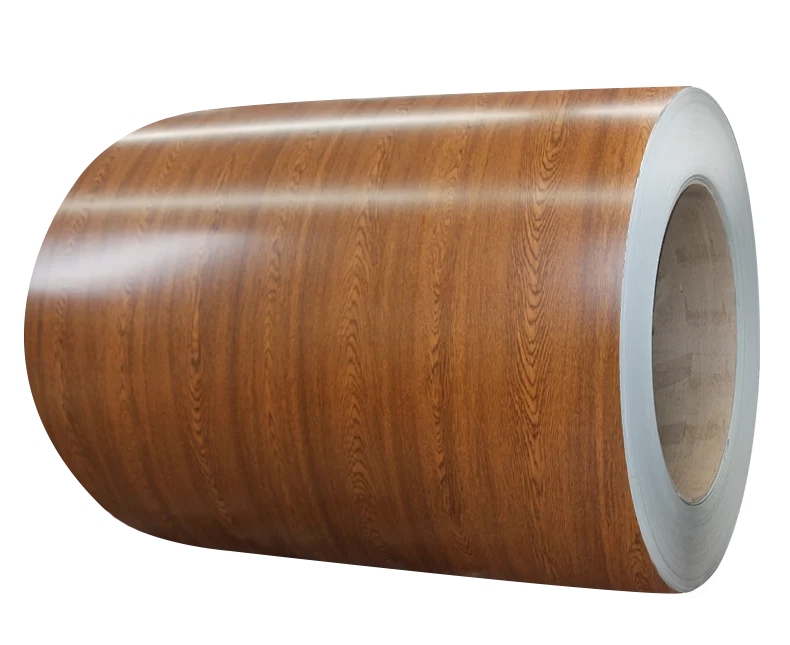
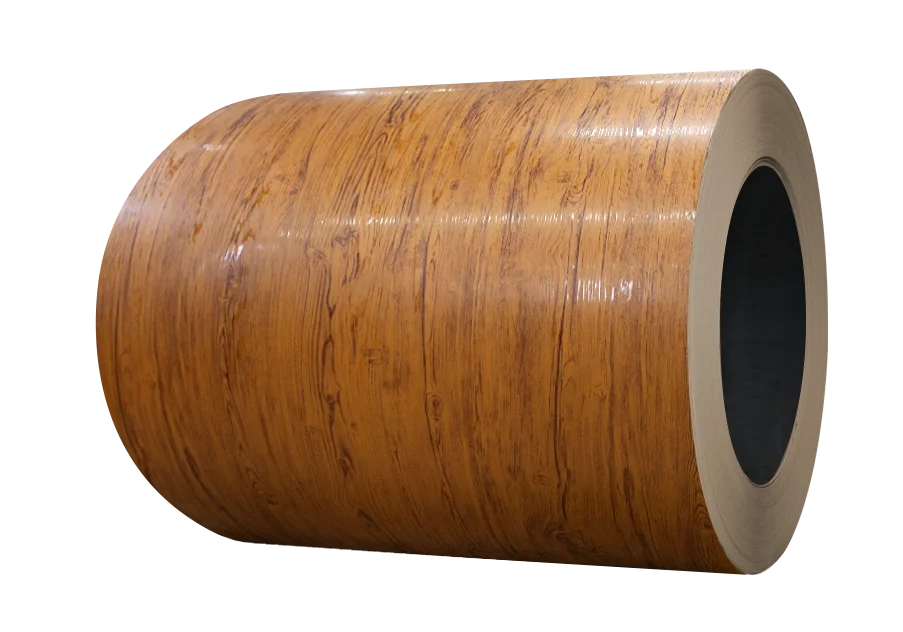
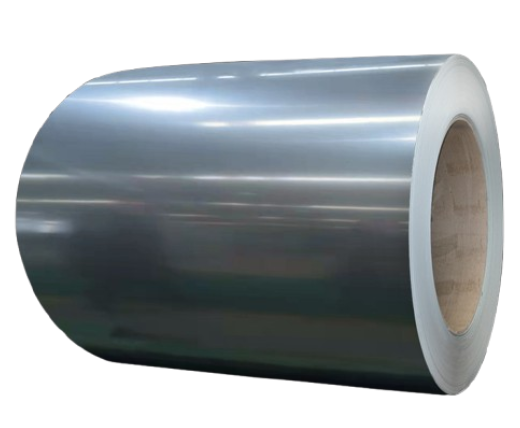
Quick Answer: Yes, it is technically feasible to apply a powder coating to hot-dip galvanised steel. When executed correctly, this produces a corrosion protection system that significantly outperforms either coating used in isolation.
According to the American Galvanizers Association (AGA) Technical Report: Powder Coating Over Hot-Dip Galvanized Steel (2019), as well as the findings of ASTM A123/A123M: Standard Specification for Zinc (Hot-Dip Galvanized) Coatings on Iron and Steel Products, reveal that the key factor influencing the long-term adhesion and performance of the coating is the quality of the surface preparation. This involves neutralising zinc oxide passivation layers and creating a surface profile that enables the electrostatic powder particles to bond mechanically and chemically to the zinc substrate. Field studies reviewed by the AGA document service life extensions of 1.5 to 2.3 times the sum of each coating’s individual expected lifespan when the combined duplex system is applied under controlled conditions, making it one of the most cost-efficient long-term corrosion protection strategies available for structural steel in aggressive environments.
Understanding the Two Coating Systems: What You’re Working With
Before evaluating the compatibility of powder coating with hot-dip galvanised steel and the procedure for doing so, it is worth establishing a precise technical understanding of how each system works independently, because the interaction between them is as much chemical as mechanical. Misunderstanding how either layer behaves can lead to entirely preventable coating failures.
Hot-dip galvanising is a process defined in ASTM A123 and ISO 1461, whereby fabricated steel components are immersed in a bath of molten zinc at around 449°C (840°F). The zinc then bonds with the steel surface metallurgically, forming zinc-iron alloy layers (the gamma, delta and zeta phases) which are topped by a pure zinc outer layer (the eta phase). This metallurgical bond distinguishes galvanising from mechanically applied zinc coatings — the zinc becomes part of the steel’s molecular structure at the interface, rather than simply being deposited on the surface. Minimum coating thicknesses according to ASTM A123 range from 45 µm for thin sheet steel to 86 µm for structural sections thicker than 6 mm. The result is a coating that provides both a physical barrier and cathodic protection — meaning that even where the coating is scratched or damaged, the surrounding zinc sacrifices itself electrochemically to protect the underlying steel from oxidising.
Powder coating is a dry finishing process in which a polymer powder — typically polyester, epoxy, polyurethane or TGIC-polyester — is applied electrostatically to a grounded metal surface. The powder is then cured in an oven at temperatures between 160 and 210 °C (320 and 410 °F), depending on the type of polymer used. The resulting film thickness is typically 60–120 µm for standard architectural or industrial applications. The cured film provides excellent UV, mechanical impact, and chemical resistance, as well as aesthetic uniformity, which zinc coatings alone cannot achieve. However, powder coating’s primary vulnerability is that it only provides barrier protection — once the film is breached, it offers no cathodic protection to the underlying substrate, and corrosion can undercut the coating laterally from a damaged area with minimal visible warning.
Therefore, the logic behind combining the two systems — known as a duplex coating system — is straightforward: galvanising provides sacrificial cathodic protection, ensuring that any breach in the powder coating does not immediately compromise the steel. Meanwhile, the powder coating provides barrier protection, dramatically slowing the rate at which the zinc is consumed. According to the Galvanizers Association of Australia’s 2021 publication ‘Duplex Systems: Hot-Dip Galvanizing + Powder Coating ‘, zinc consumption in a duplex system is roughly 20–30% of the rate observed on exposed galvanised steel in equivalent atmospheric conditions — effectively multiplying the protective lifespan of the zinc layer by three to five times.
The Core Challenge: Why Powder Coating Galvanized Steel Requires Special Preparation
The most common reason powder coating over galvanized steel fails — typically manifesting as blistering, delamination, or “holidays” (bare spots) appearing within 12–18 months of application — is inadequate surface preparation rather than any fundamental chemical incompatibility between zinc and powder coatings. Understanding the nature of these preparation challenges is essential for anyone specifying or procuring a duplex system.
① The Passivation Problem: Freshly galvanized steel begins oxidizing immediately upon atmospheric exposure. Within 24–72 hours, a thin layer of zinc oxide forms on the surface; within weeks, zinc hydroxide and zinc carbonate compounds develop, collectively known as the zinc passivation layer or “white rust” phase. This passivation layer is chemically inert, which is precisely what makes it protective — but that same inertness means it provides almost no chemical bonding site for powder coating adhesion. Attempting to powder coat over a passivated zinc surface without treatment produces a film that rests on a chemically disconnected interface and will fail under thermal cycling, moisture ingress, or mechanical stress.
② Outgassing During Cure: Galvanized steel surfaces contain microscopic occluded gases — primarily hydrogen — trapped within the zinc crystal structure during the galvanizing process. When the powder-coated part passes through the cure oven, these gases expand and force their way outward through the uncured powder film, creating pinholes and craters known as outgassing defects. This is particularly problematic with new galvanized steel, where the zinc is still relatively porous. Industry practice recommends allowing galvanized steel to weather for a minimum of six months before powder coating, or subjecting freshly galvanized parts to a controlled sweep blast or chemical etch that opens the surface and allows entrapped gases to escape before coating application.
③ The Electrochemical Complexity of Zinc-Primer Interfaces: Unlike steel or aluminum, zinc is amphoteric — it reacts with both acids and alkalis. This means conventional pretreatment chemistry widely used in powder coating lines (iron phosphate, zinc phosphate, or aggressive acid etch baths designed for mild steel) can over-etch the zinc surface, removing coating thickness unevenly and creating an irregular profile that undermines film build consistency. The AGA specifically recommends against using iron phosphate pretreatments on galvanized steel; the preferred chemical preparation is either a dilute chromate conversion coating, a dilute phosphoric acid etch (0.5–5%), or a modern non-chrome adhesion promoter formulated specifically for zinc substrates.
Surface Preparation Methods: A Technical Comparison
There is no single universally optimal preparation method for powder coating over hot-dip galvanized steel — the correct approach depends on the age of the galvanized surface, the application environment, the powder chemistry being used, and the throughput requirements of the coating operation. The following table provides a structured comparison of the four most commonly used preparation protocols:
| Sweep (brush) blasting with fine aluminum oxide or glass bead (90–120 µm media) | Freshly galvanized steel (< 6 months old) | Removes passivation layer, creates mechanical anchor profile, opens outgassing channels | Must be controlled to avoid over-blasting and removing zinc thickness | Ra 25–50 µm |
| Dilute phosphoric acid etch (1–5% solution, 2–5 min contact) | Mill-fresh or lightly weathered galvanized steel | Converts zinc oxide to zinc phosphate for improved chemical adhesion | Requires thorough rinsing; over-exposure removes zinc thickness | Chemical conversion, minimal physical profile |
| Accelerated weathering (outdoor exposure 6–12 months) | Project timelines that allow delay | Zero mechanical input; zinc carbonation creates naturally receptive surface. | Time-consuming; not practical for production line work | Ra 10–25 µm (natural) |
| Non-chrome adhesion promoter (e.g., silane-based, chromate-free wash primer) | Any galvanized surface; preferred for food-grade or environmentally regulated applications | Chrome-free, compatible with modern HSE requirements, excellent adhesion on zinc | Adds a processing step; shelf life and application temperature sensitivity | Chemical bonding layer |
The AGA and the Galvanizers Association of Australia both identify sweep blasting followed by an epoxy primer specifically formulated for zinc substrates as the gold standard for maximum duplex system durability. The epoxy primer (typically 40–60 µm dry film thickness) bridges the zinc surface chemistry and the topcoat powder, prevents osmotic blistering, and adds significant additional barrier performance to the overall system.
Powder Coat Chemistry Selection for Galvanized Steel
Not all powder coating formulations perform equally well on zinc substrates, and the selection of the correct chemistry is a variable that coating specifiers sometimes underestimate in favour of focusing exclusively on surface preparation. The powder’s thermal and chemical characteristics must be compatible with the behaviour of the zinc substrate during the curing process.
① Epoxy Powder Coats: Epoxy formulations offer excellent adhesion to zinc and superior chemical resistance, but they are UV-sensitive and chalk rapidly in exterior applications. They are the preferred choice for interior structural steel, underground applications, and as primer coats in epoxy-polyester hybrid systems. Film thickness range: 60–100 µm.
② Polyester and TGIC-Polyester Powder Coats: These are the most widely used topcoats for exterior architectural and structural applications over galvanized steel. TGIC-polyester (triglycidyl isocyanurate crosslinker) provides outstanding UV durability, color retention, and flexibility. When applied over a zinc-compatible epoxy primer, TGIC-polyester topcoats on galvanized steel structures regularly achieve 15–20-year coating cycle intervals in C3 atmospheric corrosivity environments per ISO 12944-2.
③ Polyurethane Powder Coats: Polyurethane formulations offer the best balance of UV stability, hardness, and chemical resistance among standard powder chemistries. They are specified on architectural aluminum and galvanized steel when maximum gloss retention and scratch resistance are required. Cure temperatures for polyurethane powders (typically 180–200°C) are well within the safe operating range for zinc coatings, which begin to exhibit phase transformation changes only above 250°C.
④ Epoxy-Polyester Hybrid Powders: Hybrids combine the adhesion characteristics of epoxy with improved UV stability relative to pure epoxy, at lower cost than full polyester or polyurethane. They are frequently used in interior-exterior transition applications and light commercial structural work where a single-coat system over properly prepared galvanized steel is acceptable.
We regularly evaluate material pairings with duplex system requirements in mind, and in our experience, suppliers who offer galvanised base materials with well-documented zinc coating weights and consistent surface finishes, such as Wofeng New Materials, significantly reduce the uncertainty in predicting powder coat adhesion outcomes. This is because the mass and surface texture of the zinc layer are known quantities at the point of coating specification, rather than variables to be managed afterwards. Wofeng New Materials’ hot-dip galvanised sheet products are available in Z100–Z275 g/m² coating weight grades per EN 10346.
Step-by-Step Application Protocol for Duplex Systems
The following process sequence represents industry best practice for powder coating over hot-dip galvanized steel in a controlled production environment, synthesized from AGA (2019), AS/NZS 4506:2005 (Thermosetting Powder Coatings), and ISO 12944-5 (Paint and Varnishes — Corrosion Protection of Steel Structures):
Step ① — Incoming Inspection of Galvanized Surface: Verify coating weight or thickness via magnetic induction gauge (per ASTM E376). Confirm that coating weight meets ASTM A123 minimums for the relevant steel section thickness. Document the age of the galvanized surface — surfaces older than 6 months with visible white rust (wet storage stain) require more aggressive preparation than recently galvanized parts.
Step ② — Degreasing: Degrease all surfaces with an alkaline degreaser or solvent wipe. Even apparently clean galvanized surfaces carry handling oils, quench tank residues, and atmospheric contamination that will cause fish-eye defects in the powder film if not removed. Use deionized water for rinse stages to prevent mineral deposit contamination of the zinc surface.
Step ③ — Mechanical or Chemical Preparation: Apply the preparation method appropriate to surface age and throughput requirements (refer to Section 3 comparison table). For sweep blasting, maintain media velocity and angle to achieve a 25–50 µm Ra profile without removing more than 10 µm of zinc coating thickness. For chemical etch, maintain pH 4–6 during the contact stage and rinse to pH 6.5–7.5.
Step ④ — Priming (Recommended for C4/C5 Environment Specifications): Apply zinc-compatible epoxy primer powder at 40–60 µm DFT. Cure per primer manufacturer’s specification (typically 180–200°C for 10–15 minutes at metal temperature). Allow to cool to below 50°C before topcoat application.
Step ⑤ — Topcoat Powder Application: Apply polyester or TGIC-polyester topcoat to target DFT 60–100 µm using an electrostatic spray gun. Ensure the part is grounded through the galvanized surface — zinc’s electrical conductivity is adequate for electrostatic application without additional grounding measures. Monitor film build uniformity on complex geometries with Faraday cage areas using supplementary corona or tribo gun positioning.
Step ⑥ — Cure: Cure at metal temperature per topcoat manufacturer’s TDS (typically 185–200°C for 15–20 minutes). Monitor oven profile with a data logger to confirm actual metal temperature, not just oven air temperature — heavy galvanized sections have significantly higher thermal mass than sheet steel and require extended soak times to reach target metal temperature uniformly.
Step ⑦ — Post-Cure Inspection: Inspect per AS/NZS 4506 and ASTM D3359 (cross-cut adhesion) after 24-hour cure stabilization. Test representative samples from each batch for film thickness (ASTM D7091), adhesion (pull-off per ASTM D4541, minimum 3 MPa for structural specifications), and holiday detection per ASTM D5162 (low-voltage wet sponge method, 67.5V DC).

Corrosion Performance Data: What Duplex Systems Actually Deliver
The performance case for duplex coating systems is well-supported by accelerated weathering data and long-term field performance records. The following table summarizes corrosion resistance benchmarks from ISO 12944-2 (2017) atmospheric corrosivity category C3 and C4 environments for the three most commonly compared protection strategies on structural steel:
| Hot-dip galvanizing alone (ASTM A123, Z275 coating weight) | C3 (urban/industrial) | 20–30 years | 85–100 µm zinc | 1.0 (baseline) |
| Powder coat alone on blast-cleaned steel (Sa 2.5) | C3 | 10–15 years | 80–120 µm powder | 0.85 |
| Duplex system: HDG + epoxy primer + TGIC-polyester topcoat | C3 | 35–50 years | 80 µm zinc + 100 µm powder | 1.4–1.6 |
| Powder coat alone on blast-cleaned steel (Sa 2.5) | C4 (coastal/industrial) | 5–8 years | 80–120 µm powder | 0.85 |
| Duplex system: HDG + epoxy primer + TGIC-polyester topcoat | C4 | 25–35 years | 80 µm zinc + 100 µm powder | 1.4–1.6 |
Data from ISO 12944-2 and the AGA’s field studies of duplex systems consistently demonstrate that the service life of a well-executed duplex system is not merely additive (i.e., galvanising life plus powder coating life), but synergistic — the two coatings extend each other’s service life. The AGA’s 2019 field survey of duplex-coated infrastructure in C4 coastal industrial environments revealed that, after 22 years of service, correctly applied duplex systems showed no corrosion-related defects, whereas comparable structures with a powder coating on non-galvanised blasted steel required initial maintenance after an average of 7.4 years. Therefore, the whole-life cost economics of duplex systems become compelling at time horizons beyond 15 years, particularly for structures where recoating requires scaffolding, traffic disruption or production downtime.
FAQ — Powder Coating Galvanized Steel
Q1: Can you powder coat over new (freshly galvanized) steel?
Freshly galvanized steel presents an outgassing risk during powder cure and a passivation layer that inhibits adhesion, so it requires specific preparation before powder coating. The recommended approach is either sweep blasting with fine media to open the surface and release trapped gases, or allowing a minimum 6-month outdoor weathering period to develop a natural zinc carbonate surface receptive to powder adhesion.
Q2: Does powder coating affect the corrosion protection of galvanized steel?
When properly applied, powder coating significantly enhances the corrosion protection of galvanized steel rather than compromising it, by acting as a barrier that drastically slows zinc consumption. According to the American Galvanizers Association (2019), a well-executed duplex system can achieve 1.5 to 2.3 times the service life of either coating used independently, particularly in C4 and C5 corrosivity environments such as coastal or industrial zones.
Q3: What is the best primer to use before powder coating galvanized steel?
An epoxy primer specifically formulated for zinc substrates — applied at 40–60 µm dry film thickness — is the industry-preferred primer for duplex systems, as documented in both ISO 12944-5 and AGA technical guidance. Epoxy primers provide chemical compatibility with the zinc surface, prevent osmotic blistering, and serve as a chemically stable bond coat between the galvanized substrate and the polyester or TGIC-polyester topcoat powder.
Q4: Will powder coating peel off galvanized steel?
Powder coating applied directly to an unprepared or passivated galvanized surface without proper adhesion treatment will typically delaminate within 12–24 months, particularly under thermal cycling or moisture exposure. When the galvanized surface is correctly prepared — by sweep blasting, chemical etch, or application of a zinc-compatible adhesion promoter — and a suitable primer is applied, powder coating adhesion on galvanized steel meets or exceeds ASTM D4541 pull-off values of 3 MPa or greater, equivalent to adhesion performance on properly prepared mild steel.
Q5: What temperature does powder coating cure at, and is that safe for the zinc coating?
Standard powder coatings cure at metal temperatures of 160–200°C (320–392°F), which is well below the threshold temperatures at which the zinc-iron alloy layers in hot-dip galvanized coatings begin to experience phase changes or softening (above 250°C / 482°F). The curing process therefore poses no risk to the integrity of the underlying zinc coating, provided oven temperatures are properly controlled, and parts are not held at cure temperature for extended periods beyond the manufacturer’s specified soak time.
Q6: Is powder coating galvanized steel worth the extra cost?
For structural steel in C3 or higher corrosivity environments — including coastal, industrial, and high-humidity locations — the life-cycle economics of duplex systems strongly favor the additional investment over single-system coatings. ISO 12944-2 and AGA field data consistently document maintenance-free service lives of 35–50 years for duplex systems in C3 environments, compared to 20–30 years for galvanizing alone and 10–15 years for powder coat over uncoated blasted steel, making the 40–60% cost premium of a duplex system cost-neutral or net-positive at a 20-year whole-life cost horizon.
Conclusion
Not only is powder coating hot-dip galvanized steel feasible, but it is also one of the most technically sound and economically justified coating strategies available for structural and architectural steel applications in demanding corrosion environments. The keys to a successful outcome are methodical surface preparation to neutralise the zinc passivation layer, priming appropriate to the chemistry, selecting a powder formulation matched to the application environment, and controlling the process through the curing cycle.
The synergistic performance of the duplex system — where the zinc and polymer coatings extend each other’s service life beyond what they achieve alone — is supported by more than four decades of field data and multiple authoritative standards, including ASTM A123, ISO 12944 and AS/NZS 4506. For those evaluating corrosion protection systems for long-service infrastructure, such as specifiers, fabricators and procurement professionals, the message from the performance data is consistent: where galvanised steel already provides the substrate, powder coating over it is rarely redundant — it is almost always additive.
References:
- American Galvanizers Association. Powder Coating Over Hot-Dip Galvanized Steel. AGA Technical Report, 2019.
- ASTM International. ASTM A123/A123M: Standard Specification for Zinc (Hot-Dip Galvanized) Coatings on Iron and Steel Products. ASTM International, 2022.
- ISO. ISO 12944-2: Paints and Varnishes — Corrosion Protection of Steel Structures by Protective Paint Systems — Part 2: Classification of Environments. International Organization for Standardization, 2017.
- ISO. ISO 12944-5: Paints and Varnishes — Corrosion Protection of Steel Structures by Protective Paint Systems — Part 5: Protective Paint Systems. International Organization for Standardization, 2019.
- ISO. ISO 1461: Hot-Dip Galvanized Coatings on Fabricated Iron and Steel Articles — Specifications and Test Methods. International Organization for Standardization, 2009.
- Standards Australia / Standards New Zealand. AS/NZS 4506:2005: Thermosetting Powder Coatings. Standards Australia, 2005.
- Galvanizers Association of Australia. Duplex Systems: Hot-Dip Galvanizing + Powder Coating. GAA Technical Publication, 2021.
- ASTM International. ASTM D4541: Standard Test Method for Pull-Off Strength of Coatings Using Portable Adhesion Testers. ASTM International, 2022.
- ASTM International. ASTM D3359: Standard Test Methods for Rating Adhesion by Tape Test. ASTM International, 2022.
- EN 10346: Continuously Hot-Dip Coated Steel Flat Products for Cold Forming — Technical Delivery Conditions. European Committee for Standardization, 2015.