

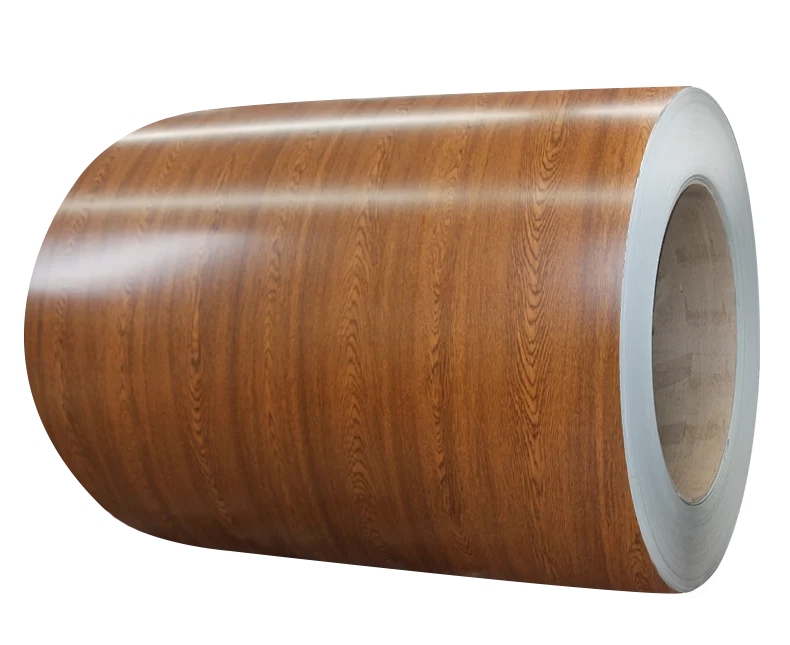
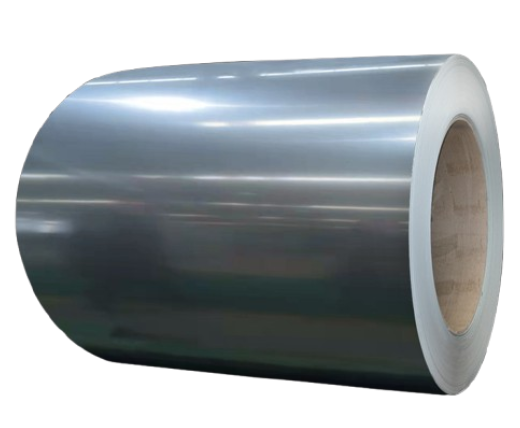
Quick Answer: The main difference between galvanised steel and pre-galvanised steel lies in the timing and method of zinc coating application. Galvanised steel typically refers to steel products that are coated in zinc after fabrication, usually through hot-dip galvanization, whereas pre-galvanised steel is coated in zinc prior to being formed or manufactured into final components. According to the ASTM A123/A123M and ASTM A653/A653M standards, both methods provide corrosion protection through a zinc barrier and a sacrificial protection mechanism. However, they differ in terms of coating thickness, durability and suitable applications.
Galvanised steel is generally preferred for heavy-duty outdoor environments requiring long-term corrosion resistance, whereas pre-galvanised steel is widely used for lightweight components, electrical products, HVAC systems and applications where surface appearance and manufacturing efficiency are important.
Introduction: Why Understanding Galvanized Steel and Pre-Galvanized Steel Matters
Steel is one of the most widely used materials in engineering, particularly in construction, manufacturing, transportation and infrastructure. However, untreated steel is vulnerable to corrosion when exposed to moisture, oxygen, chemicals, and environmental conditions. Not only does corrosion reduce the service life of steel products, but it also increases maintenance costs and safety risks.
To address this issue, zinc coating technology has emerged as a highly effective corrosion protection method worldwide. Two commonly used solutions among various zinc-coated steel products are galvanized steel and pre-galvanized steel.
Although both materials use zinc as the protective layer, they are not identical. The main difference lies in their production processes. Galvanised steel is typically produced by applying a zinc coating to the steel component after it has been manufactured. In contrast, pre-galvanised steel receives its zinc coating before further processing, such as cutting, bending or fabrication.
When choosing between these two materials, it is important to understand the differences in their coating thickness, corrosion resistance, processing characteristics, appearance and application requirements.
What Is Galvanized Steel?
Galvanized steel is steel that has been coated with a protective layer of zinc to prevent corrosion. The most common method is hot-dip galvanizing, where fabricated steel products are immersed in molten zinc, creating a metallurgical bond between the zinc coating and the steel surface.
During the hot-dip galvanizing process, steel products typically undergo several preparation steps:
- Degreasing to remove oil and contaminants
- Acid pickling to eliminate rust and scale
- Flux treatment to improve zinc adhesion
- Immersion in molten zinc
- Cooling and inspection
The resulting zinc coating provides two types of protection:
Barrier Protection
The zinc layer physically separates steel from environmental exposure, reducing contact with moisture and oxygen.
Cathodic Protection
Zinc is more chemically active than steel, meaning it corrodes preferentially and protects exposed steel areas even when scratches or minor coating damage occur.
Because of this dual protection mechanism, galvanized steel is widely recognized as a long-lasting corrosion-resistant material.
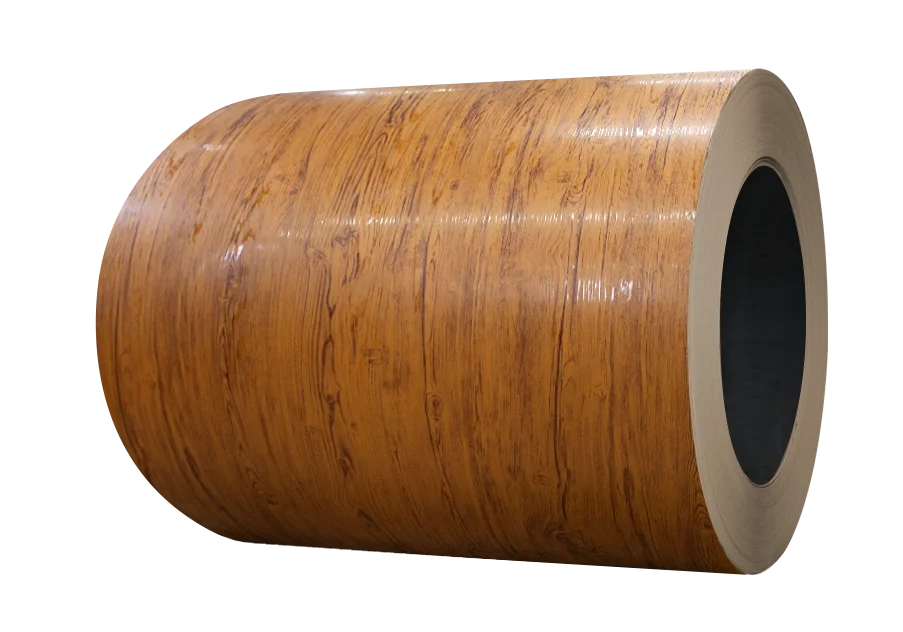
What Is Pre-Galvanized Steel?
Pre-galvanized steel refers to steel sheets, coils, or strips that receive zinc coating before being processed into final products.
Instead of coating completed structures, manufacturers first produce zinc-coated steel coils through continuous galvanizing lines. These coated materials are then formed into finished products through processes such as:
- Cutting
- Roll forming
- Stamping
- Welding
- Bending
Pre-galvanized steel is commonly produced according to standards such as ASTM A653/A653M, which specifies requirements for zinc-coated steel sheets.
Because coating occurs before fabrication, pre-galvanized steel offers advantages in manufacturing efficiency, consistent surface quality, and suitability for mass production.
Manufacturing Process Comparison
The production sequence creates the most important differences between galvanized steel and pre-galvanized steel.
| Feature | Galvanized Steel | Pre-Galvanized Steel |
| Coating Timing | After fabrication | Before fabrication |
| Main Process | Hot-dip galvanizing of finished products | Continuous galvanizing of steel sheets/coils |
| Zinc Thickness | Usually thicker | Usually thinner |
| Surface Finish | More rugged zinc coating | Smooth and uniform appearance |
| Best For | Outdoor and heavy-duty applications | Indoor and lightweight applications |
Key Differences Between Galvanized Steel and Pre-Galvanized Steel
-
Zinc Coating Thickness
One of the biggest differences is coating thickness.
Galvanized steel generally receives a thicker zinc coating because the entire finished component is immersed in molten zinc. This allows zinc layers to develop on edges, corners, and complex surfaces.
Pre-galvanized steel usually has a thinner factory-applied zinc coating because it is optimized for sheet processing and manufacturing efficiency.
A thicker coating generally provides:
- Longer corrosion protection
- Better outdoor durability
- Higher resistance to mechanical damage
Therefore, galvanized steel is often selected for harsh environments.
-
Corrosion Resistance
Both materials provide corrosion protection, but their performance differs depending on environmental conditions.
Galvanized steel typically performs better in:
- Coastal areas
- Industrial environments
- Outdoor construction
- Infrastructure projects
The thicker zinc layer provides extended protection against weather exposure.
Pre-galvanized steel performs well in:
- Indoor applications
- Dry environments
- Electrical equipment
- HVAC systems
However, cutting and forming processes may expose untreated edges, which can slightly reduce corrosion resistance in aggressive environments.
-
Surface Appearance
Pre-galvanized steel generally has a smoother and more uniform appearance because it is produced on continuous coating lines.
This makes it suitable for applications where appearance matters, including:
- Electrical cabinets
- Interior structures
- Commercial equipment
Galvanized steel usually has a more textured zinc surface, sometimes showing visible zinc patterns or spangles.
Applications of Galvanized Steel
Thanks to its excellent corrosion resistance, long service life, and low maintenance requirements, galvanised steel is widely used in industries where steel structures need to withstand moisture, outdoor exposure, and harsh environmental conditions. The zinc coating acts as a protective barrier, preventing rust and extending the lifespan of steel components. This makes galvanized steel a reliable choice for infrastructure and industrial applications.
Common applications of galvanized steel include:
- Structural steel components
Galvanized steel is widely used for beams, columns, frames, supports, and other structural components in commercial and industrial buildings. Its corrosion protection helps maintain structural integrity over long service periods.
- Bridges and transportation infrastructure
Galvanized steel is used in bridge decks, railings, support structures, and highway components. It provides durable protection against rain, humidity, road salt, and changing weather conditions.
- Guardrails and safety barriers
Galvanised steel guardrails and protective barriers offer excellent impact resistance and corrosion protection, making them ideal for use on highways, in car parks, and in public areas.
- Transmission towers and utility structures
Power transmission towers, communication towers and utility poles often rely on galvanised steel because it can withstand outdoor environments while requiring minimal maintenance.
- Outdoor equipment and facilities
Galvanised steel is commonly used for outdoor equipment such as storage racks, fences, lighting poles, HVAC supports and other mechanical structures that are exposed to the weather.
- Agricultural buildings and equipment
Galvanised steel is used in barns, greenhouses, livestock facilities and agricultural frameworks. It provides long-term durability in environments with moisture, chemicals and temperature fluctuations.
- Steel Frameworks and Construction Projects
Galvanized steel frameworks are widely used in warehouses, factories, commercial buildings, and modular structures where reliable corrosion protection is required.
- Automotive and Transportation Applications
Galvanized steel is also used in vehicle components, trailers, shipping equipment, and transportation-related structures that require enhanced durability and resistance to environmental corrosion.
For projects requiring decades of corrosion protection, reduced maintenance costs, and reliable performance in challenging environments, galvanized steel remains one of the most widely preferred solutions across construction, infrastructure, agriculture, and industrial sectors.
Applications of Pre-Galvanized Steel
Due to its excellent formability, consistent zinc coating, cost efficiency, and suitability for high-volume production, pre-galvanized steel is widely used in manufacturing industries where components require reliable corrosion protection and efficient fabrication. Unlike hot-dip galvanized steel, pre-galvanized steel is coated before further processing, making it ideal for products that require cutting, bending, stamping, or roll forming.
Typical applications of pre-galvanized steel include:
- HVAC Ducts and Ventilation Systems
Pre-galvanized steel is commonly used for air ducts, ventilation channels, and HVAC components because the zinc coating provides corrosion resistance while allowing easy fabrication into complex shapes.
- Electrical Enclosures and Cabinets
Used in electrical boxes, control cabinets, switchgear housings, and equipment panels, pre-galvanized steel offers a durable surface finish and protection against indoor corrosion.
- Cable Trays and Support Systems
Its lightweight structure and consistent coating make it suitable for cable management systems, including cable trays, conduits, and supporting frameworks used in commercial and industrial facilities.
- Light Steel Framing
Pre-galvanized steel is widely applied in wall frames, ceiling systems, partition structures, and prefabricated building components due to its dimensional accuracy and ease of assembly.
- Automotive Components
Manufacturers use pre-galvanized steel for automotive parts, brackets, reinforcement components, and structural elements that require corrosion resistance combined with excellent stamping and forming performance.
- Furniture Structures
Pre-galvanized steel is suitable for metal furniture frames, shelving systems, storage racks, and office equipment where clean appearance and manufacturing efficiency are important.
- Indoor Equipment and Industrial Components
Commonly used in machinery housings, equipment supports, storage systems, and factory components that require moderate corrosion protection and reliable processing performance.
- General Fabricated Metal Products
Because of its smooth surface, consistent coating thickness, and excellent machinability, pre-galvanized steel is widely used for various fabricated products produced through cutting, welding, punching, and roll forming processes.
With its excellent formability, uniform zinc coating, and manufacturing efficiency, pre-galvanized steel is an ideal material choice for industries requiring reliable corrosion protection, fast processing, and large-scale production capability.
Advantages of Galvanized Steel
-
Excellent Long-Term Corrosion Protection
The greatest advantage of galvanized steel is its ability to withstand harsh environmental conditions. Because the zinc coating is usually thicker and completely covers the fabricated steel product, it provides reliable protection against moisture, chemicals, and atmospheric exposure.
This makes galvanized steel suitable for:
- Outdoor construction
- Marine environments
- Industrial facilities
- Infrastructure projects
In many applications, galvanized steel can provide decades of maintenance-free protection.
-
Protection of Edges and Complex Structures
During hot-dip galvanizing, the entire steel component is immersed in molten zinc. This allows zinc coverage on:
- Edges
- Weld areas
- Corners
- Internal surfaces
This is a major advantage compared with pre-galvanized materials that may expose bare steel after cutting or forming.
-
Lower Maintenance Requirements
Although the initial cost of galvanized steel may be higher than some alternatives, its extended service life often reduces total ownership costs.
Benefits include:
- Fewer repainting requirements
- Reduced corrosion repairs
- Longer replacement cycles
- Lower maintenance labor
For large infrastructure projects, lifecycle cost is often more important than initial material price.
Limitations of Galvanized Steel
Despite its excellent durability, galvanized steel also has some limitations.
Higher Initial Cost
The hot-dip galvanizing process requires additional handling and processing after fabrication, which can increase production costs compared with pre-galvanized sheets.
Less Suitable for Complex Manufacturing Processes
Because galvanizing occurs after fabrication, manufacturers need to consider:
- Component size limitations
- Transportation requirements
- Fabrication sequence
Large or highly customized structures may require additional planning.
Advantages of Pre-Galvanized Steel
-
Consistent Surface Quality
Pre-galvanized steel is produced through continuous galvanizing processes, allowing manufacturers to achieve:
- Uniform zinc coating
- Smooth appearance
- Consistent thickness
This makes it ideal for products requiring a clean appearance and precise dimensions.
-
Excellent Processing Efficiency
Since coating is completed before fabrication, pre-galvanized steel can be easily processed through:
- Roll forming
- Cutting
- Stamping
- Bending
This improves production efficiency for manufacturers producing large quantities of standardized components.
-
Cost-Effective for Many Applications
For indoor or moderately corrosive environments, pre-galvanized steel often provides sufficient protection at a lower cost.
It is widely selected when manufacturers need:
- High production speed
- Reliable quality
- Controlled material costs
Limitations of Pre-Galvanized Steel
Reduced Protection at Cut Edges
When pre-galvanized steel is cut, drilled, or welded, exposed steel areas may have reduced zinc protection.
Additional treatments may be required, including:
- Zinc-rich coatings
- Protective sealants
- Secondary galvanizing
Lower Performance in Severe Environments
Compared with hot-dip galvanized steel, pre-galvanized steel generally has lower resistance in:
- Marine conditions
- Chemical environments
- Heavy industrial exposure
For these applications, thicker zinc coatings are usually preferred.
Detailed Comparison Table
| Comparison Factor | Galvanized Steel | Pre-Galvanized Steel |
| Coating Method | Hot-dip galvanizing after fabrication | Zinc coating before fabrication |
| Zinc Layer Thickness | Generally thicker | Generally thinner |
| Corrosion Resistance | Excellent for outdoor environments | Good for indoor and moderate environments |
| Edge Protection | Strong protection on edges and weld areas | Possible exposed areas after processing |
| Surface Appearance | Textured zinc finish | Smooth and uniform finish |
| Manufacturing Flexibility | Better for finished structures | Better for mass-produced components |
| Initial Cost | Higher | Lower |
| Typical Lifespan | Longer in harsh conditions | Suitable for moderate conditions |
How to Choose Between Galvanized Steel and Pre-Galvanized Steel?
Choosing between galvanized steel and pre-galvanized steel depends on the specific requirements of your project, including the operating environment, corrosion exposure level, manufacturing process, design requirements, budget considerations, and expected service life.
Although both materials use zinc coatings to improve corrosion resistance, they are designed for different applications. Galvanized steel is generally preferred for heavy-duty environments requiring maximum protection, while pre-galvanized steel is better suited for efficient manufacturing and applications where consistent coating quality and easy fabrication are priorities.
Choose Galvanized Steel When:
You Need Maximum Corrosion Resistance for Long-Term Outdoor Exposure
Galvanized steel is the preferred choice for projects exposed to rain, humidity, chemicals, saltwater, and other harsh environmental conditions. The thicker zinc coating provides enhanced protection and helps extend the service life of steel structures with minimal maintenance.
Recommended Applications:
- Bridges
Galvanized steel is widely used for bridge components, railings, and structural supports because it can withstand long-term exposure to weather and road salts.
- Outdoor Steel Structures
Ideal for outdoor frameworks, platforms, fences, towers, and support structures requiring reliable corrosion protection.
- Utility Infrastructure
Commonly applied in transmission towers, communication towers, poles, and other infrastructure exposed to outdoor environments.
- Coastal Projects
Suitable for marine and coastal areas where high humidity and salt exposure increase corrosion risks.
- Heavy Industrial Equipment
Used for industrial structures and equipment operating in demanding environments where durability and reduced maintenance are essential.
Choose Pre-Galvanized Steel When:
You Require Efficient Manufacturing and Consistent Surface Quality
Pre-galvanized steel is an excellent choice for high-volume manufacturing applications that require uniform zinc coating, good formability, and efficient processing. It is particularly suitable for products manufactured through cutting, stamping, bending, or roll forming.
Recommended Applications:
- HVAC Systems
Commonly used for ventilation ducts, air conditioning components, and sheet metal fabrication due to its smooth surface and easy processing.
- Electrical Products
Suitable for electrical enclosures, control cabinets, cable trays, and equipment housings requiring moderate corrosion protection.
- Indoor Structures
Ideal for indoor framing systems, partitions, supports, and building components where environmental exposure is relatively controlled.
- Light Fabrication Components
Used in brackets, frames, panels, and other fabricated metal products requiring efficient production and consistent appearance.
- Mass-Produced Steel Parts
Well suited for automotive components, furniture frames, industrial parts, and other large-scale manufacturing applications where production efficiency is critical.
Key Considerations Before Choosing
When selecting between galvanized steel and pre-galvanized steel, consider:
Environment: Outdoor and corrosive environments typically require galvanized steel, while indoor applications may benefit from pre-galvanized steel.
Corrosion Protection Requirements: Higher zinc coating thickness generally provides longer protection.
Manufacturing Process: Pre-galvanized steel offers better efficiency for stamping, forming, and mass production.
Surface Appearance: Pre-galvanized steel provides a more uniform factory-applied finish.
Service Life Expectations: Heavy infrastructure projects often require the extended durability of galvanized steel.
By evaluating the project conditions and performance requirements, manufacturers and engineers can select the most suitable material solution to achieve the right balance between durability, cost efficiency, processing capability, and long-term performance.
Environmental Considerations and Sustainability
Modern industries are increasingly considering the environmental impact of construction materials when making selections. Both galvanised and pre-galvanised steel contribute to sustainable manufacturing because zinc coatings significantly extend the service life of steel.
Longer-lasting steel products reduce the need for:
- Material replacement frequency
- Maintenance requirements
- Resource consumption
In addition, steel and zinc are highly recyclable materials. At the end of their service life, galvanised steel products can be recycled and reused in the production of new steel.
According to industry studies by the International Zinc Association, zinc coatings play a key role in reducing the environmental impact of steel structures over their lifecycle by increasing their durability.
How Manufacturers Select Zinc-Coated Steel Materials?
For manufacturers of coated steel products, selecting the right material involves balancing performance, cost, and application requirements.
Companies specialising in coated steel solutions, such as Wofeng New Materials, consider factors including zinc coating performance and surface quality when recommending suitable galvanised steel products for different industrial uses.
Important considerations include:
- Required corrosion protection level
- Product thickness
- Forming requirements
- Surface appearance
- Application environment
A correct material choice can help to improve product reliability and reduce long-term operating costs.
Frequently Asked Questions (FAQ)
- What is the main difference between galvanized steel and pre-galvanized steel?
Galvanized steel is coated after fabrication, while pre-galvanized steel is coated before fabrication. The main differences are coating thickness, durability, and manufacturing process.
- Is galvanized steel stronger than pre-galvanized steel?
The steel base strength may be similar, but galvanized steel usually provides better corrosion resistance because it often has a thicker zinc coating.
- Which lasts longer, galvanized steel or pre-galvanized steel?
Galvanized steel generally lasts longer, especially in outdoor or corrosive environments, due to its thicker zinc protection.
- Can pre-galvanized steel be used outdoors?
Yes, but it is better suited for mild outdoor conditions. Severe environments may require hot-dip galvanized steel.
- Is galvanized steel more expensive than pre-galvanized steel?
Usually yes. Galvanized steel has higher processing costs but often provides better long-term value due to extended durability.
- Which steel should I choose for construction projects?
For heavy outdoor construction, galvanized steel is usually preferred. For indoor components and mass production, pre-galvanized steel is often more economical.
Conclusion: Galvanized Steel or Pre-Galvanized Steel?
The main difference between galvanized and pre-galvanized steel is when the zinc coating is applied and how the material is used. Galvanised steel, particularly hot-dip galvanised steel, offers superior corrosion protection and is ideal for challenging outdoor and industrial settings. Pre-galvanised steel offers excellent manufacturing efficiency, consistent surface quality and cost advantages for indoor and moderate-use applications.
There is no one-size-fits-all solution — the right choice depends on environmental exposure, the required service life, the fabrication method and budgetary considerations. By carefully evaluating these factors, engineers and manufacturers can select the most suitable zinc-coated steel solution to ensure reliable performance and long-term value.
References:
- ASTM A123/A123M – Standard Specification for Zinc (Hot-Dip Galvanized) Coatings on Iron and Steel Products
- ASTM A653/A653M – Standard Specification for Steel Sheet, Zinc-Coated (Galvanized) or Zinc-Iron Alloy-Coated
- The Zinc Handbook: Properties and Applications of Zinc