

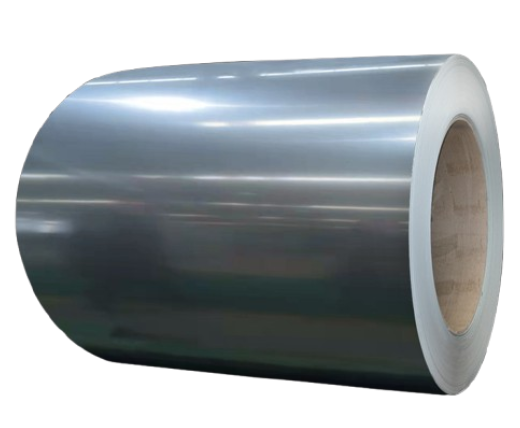
Proper preparation is essential for achieving durable paint adhesion on galvanised steel. Before painting, the surface should be thoroughly cleaned, degreased and lightly roughened, then coated with a compatible primer designed for zinc-coated substrates.
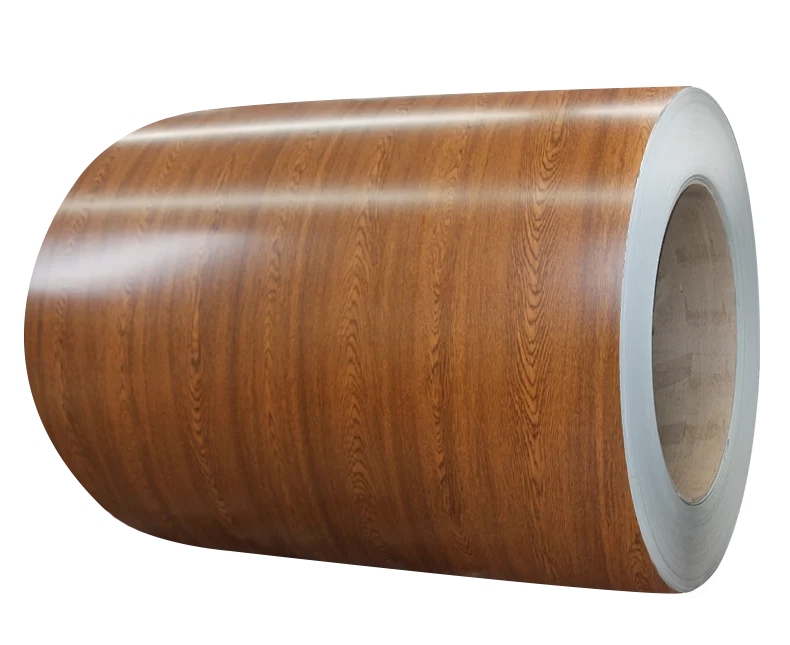
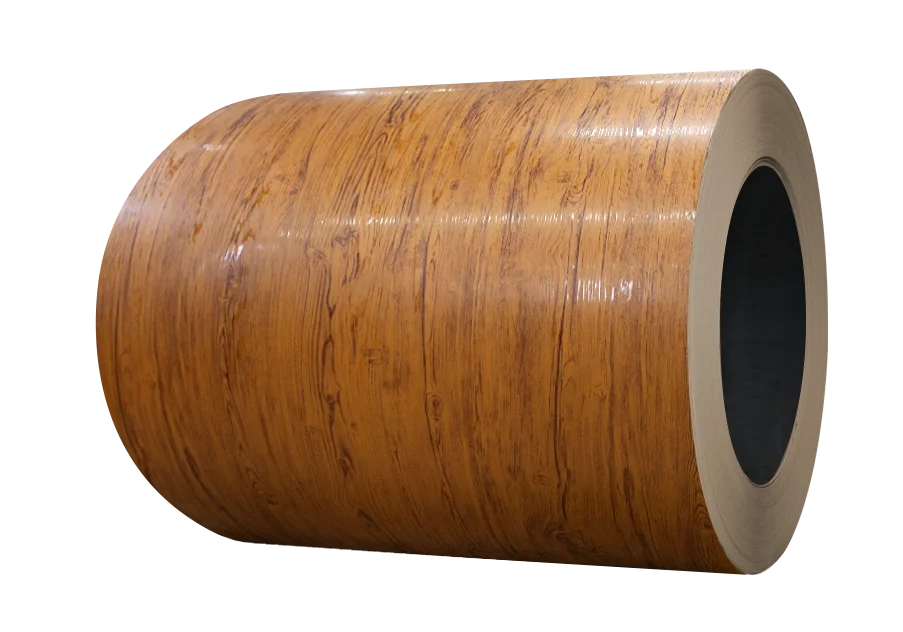
According to ASTM D6386 – Standard Practice for the Preparation of Zinc (Hot-Dip Galvanized) Coated Iron and Steel Products, the SSPC Surface Preparation Standards and the ASM Handbook: Surface Engineering, correct surface preparation significantly improves coating adhesion, corrosion resistance and long-term performance of the coating. For many architectural and industrial applications, prepainted galvanized steel (PPGI) is an alternative option, combining galvanized steel with a factory-controlled coating system.
Introduction
Galvanised steel is one of the most widely used materials in construction and manufacturing because it combines the strength of steel with the corrosion resistance of zinc. It is commonly found in roofing systems, wall cladding, HVAC equipment, agricultural buildings, household appliances, transport equipment and industrial facilities. The zinc coating protects the underlying steel from corrosion, enabling galvanised products to perform reliably in challenging outdoor and humid environments.
However, despite these advantages, galvanised steel presents a unique challenge when it comes to painting. Fresh zinc surfaces are relatively smooth and chemically active, which makes it difficult for conventional paints to adhere properly. If the surface is not prepared correctly, the coating may blister, peel, or delaminate long before its expected lifespan.
This has led to the widespread adoption of prepainted galvanized steel (PPGI), which is manufactured using a continuous coil-coating process under carefully controlled factory conditions. Nevertheless, many renovation, maintenance and fabrication projects still require galvanised steel to be painted after installation. Therefore, understanding the correct preparation procedures is essential for architects, fabricators, coating contractors and maintenance engineers seeking long-lasting protective finishes.
What Is Galvanized Steel?
Galvanized steel is carbon steel coated with a protective layer of zinc to improve its resistance to atmospheric corrosion. The zinc layer acts as both a physical barrier and a sacrificial coating, protecting exposed steel even if minor scratches or coating damage occur.
The two most common galvanizing methods include:
Hot-Dip Galvanizing
Hot-dip galvanizing involves immersing cleaned steel into molten zinc at temperatures of approximately 450°C (842°F). During this process, metallurgical reactions create several zinc-iron alloy layers beneath the outer zinc coating, resulting in excellent durability and long-term corrosion protection.
This method is widely used for structural steel, utility poles, guardrails, bridges, outdoor equipment, and heavy industrial applications.
Electro-Galvanizing
Electro-galvanizing deposits a thinner zinc layer through an electrochemical process. Compared with hot-dip galvanizing, electro-galvanized steel offers a smoother surface finish and tighter dimensional control, making it suitable for automotive components, household appliances, and precision sheet metal products.
Although the coating thickness is generally lower, electro-galvanized steel provides excellent paintability when properly prepared.
What Is Prepainted Galvanized Steel?
Prepainted galvanised steel (PPGI) is steel that has been galvanised and then coated with multiple protective paint layers in a continuous coil coating process before fabrication. Rather than painting finished products after installation, the steel coil undergoes cleaning, chemical pretreatment, priming, coating, curing and inspection within a controlled manufacturing environment.
A typical PPGI coating system consists of:
- Zinc-coated steel substrate;
- Chemical pretreatment layer;
- Corrosion-resistant primer;
- Decorative and protective topcoat;
- Optional back coat for reverse-side protection.
Because each coating layer is applied under carefully controlled temperatures, humidity, curing conditions, and coating thickness, factory-coated PPGI generally delivers a more consistent appearance, stronger adhesion, and better weather resistance than most field-applied paint systems.
Today, PPGI is widely used in:
- Industrial buildings
- Residential roofing
- Wall cladding systems
- Sandwich panels
- Household appliances
- Garage doors
- Cold storage facilities
- Commercial architecture
For projects requiring consistent colour, high production efficiency and a long service life, prepainted galvanised steel often eliminates the need for on-site painting.

Why Is Proper Surface Preparation Essential?
Many coating failures are not caused by poor paint quality, but by inadequate surface preparation. For example, galvanised steel surfaces may contain rolling oils, passivation treatments, transport contaminants, oxidation products or moisture residues that can interfere with paint adhesion.
Freshly galvanised steel poses a particular challenge because the newly formed zinc surface is chemically reactive. Without appropriate preparation, paint films may fail to bond properly with the substrate, resulting in premature peeling or blistering.
Proper preparation helps to achieve several important objectives:
- Removing oil, grease, and contaminants;
- Eliminating oxidation products such as white rust;
- Improving mechanical adhesion;
- Enhancing chemical bonding between primer and zinc coating;
- Extending coating service life;
- Reducing future maintenance costs.
For industrial facilities, commercial buildings, and infrastructure projects, careful surface preparation directly influences the long-term performance of protective coating systems.
Step-by-Step Preparation Process
Step 1: Clean the Surface Thoroughly
Surface cleanliness is the foundation of successful painting. Dirt, dust, transport residues, fingerprints, and airborne contaminants can significantly reduce coating adhesion.
Cleaning normally begins with clean water or low-pressure washing to remove loose debris. For industrial contamination, specialized cleaning solutions may be required.
Care should be taken to avoid leaving detergent residues on the surface, as these can also interfere with primer performance.
The cleaned surface should be allowed to dry completely before proceeding to the next preparation stage.
Step 2: Remove Oil and Grease
Galvanized steel products often contain residual rolling oils, lubricants, or protective coatings from manufacturing and transportation. These contaminants create barriers that prevent primers from contacting the zinc surface directly.
Degreasing is typically performed using approved solvent cleaners or alkaline cleaning agents compatible with galvanized steel.
After degreasing, the surface should be inspected to ensure complete removal of oily residues. Water-break testing is commonly used in industrial environments to verify surface cleanliness before painting.
Step 3: Inspect the Surface Condition
Before applying any primer, the galvanized surface should be carefully evaluated for defects that may reduce coating performance.
Common conditions include:
- White rust
- Zinc oxidation
- Minor corrosion
- Mechanical damage
- Surface contamination
- Uneven galvanizing
If white rust is present, it should be removed using appropriate cleaning methods or light mechanical abrasion. Damaged areas may require repair before coating application.
The following table summarizes common surface conditions and recommended preparation methods.
| Surface Condition | Recommended Treatment | Purpose |
| Oil and grease | Solvent or alkaline cleaning | Remove contaminants before priming |
| Dirt and dust | Water washing or pressure cleaning | Improve coating adhesion |
| White rust | Light abrasion or approved cleaners | Remove unstable corrosion products |
| Zinc oxidation | Gentle sanding or sweep blasting | Increase mechanical bonding |
| Minor surface damage | Localized repair and cleaning | Restore coating integrity |
| Moisture | Thorough drying | Prevent coating defects |
Careful inspection at this stage helps identify issues before painting begins, reducing the likelihood of costly coating failures after installation.
Step 4: Create a Suitable Surface Profile
After cleaning and inspection, the next objective is to improve the mechanical adhesion between the primer and the zinc coating. Unlike ordinary carbon steel, galvanized steel has a relatively smooth surface, which makes it more difficult for paint films to anchor effectively.
For newly galvanized steel, aggressive sanding should be avoided because excessive abrasion may remove too much of the protective zinc layer. Instead, professionals generally recommend one of the following methods:
- Light hand sanding with fine abrasive pads
- Non-metallic abrasive scuffing
- Sweep blasting (brush blasting) using approved low-pressure media
- Chemical surface pretreatment when appropriate
The goal is not to expose the underlying steel but to create a slightly roughened surface that improves primer bonding while preserving corrosion protection.
For weathered galvanized steel that has naturally aged outdoors, mild cleaning may be sufficient because the surface has already developed a stable oxide layer that often improves coating adhesion.
Step 5: Select the Correct Primer
Primer selection is one of the most important factors influencing coating performance. Conventional primers formulated for bare carbon steel may not adhere properly to zinc surfaces and can lead to premature coating failure.
Suitable primer systems for galvanized steel typically include:
- Acrylic bonding primers
- Epoxy primers designed for galvanized substrates
- Zinc-compatible polyurethane primers
- Waterborne galvanized metal primers
- Two-component industrial coating systems
The appropriate primer depends on:
- Indoor or outdoor exposure
- Humidity level
- UV exposure
- Expected service life
- Final topcoat compatibility
Following the paint manufacturer’s recommended coating system helps maximize adhesion and corrosion resistance.
Step 6: Apply the Finish Coat
Once the primer has fully cured, the finish coat can be applied according to the manufacturer’s specifications.
Professional coating systems generally recommend:
- Uniform film thickness
- Multiple thin coats rather than one heavy coat
- Controlled curing conditions
- Proper drying time between coats
Environmental conditions should also be monitored during painting. Excessive humidity, low temperatures, or direct rain can negatively affect coating performance.
For industrial applications, coating thickness is often verified using dry film thickness (DFT) gauges to ensure compliance with project specifications.
Common Mistakes When Painting Galvanized Steel
Many coating failures can be traced to avoidable preparation errors rather than deficiencies in the paint itself.
- Some of the most common mistakes include:
- Painting directly over oily surfaces
- Skipping surface cleaning
- Using ordinary metal primers not designed for zinc
- Applying paint before the surface is completely dry
- Excessive sanding that removes protective zinc
- Ignoring white rust or oxidation
- Applying coatings outside recommended temperature or humidity ranges
Avoiding these mistakes significantly improves coating durability and reduces maintenance costs throughout the product’s service life.
Prepainted Galvanized Steel vs. Painting After Installation
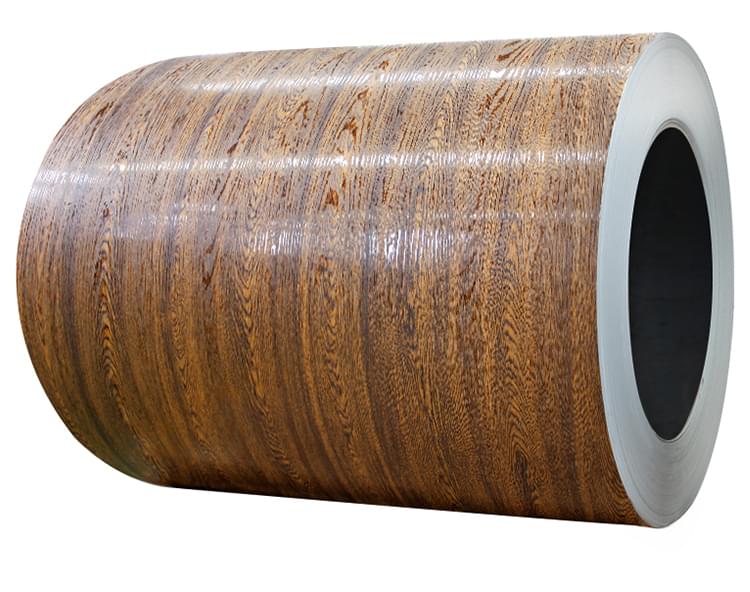
Although field painting remains necessary for maintenance, repairs, and custom fabrication, factory-produced Prepainted Galvanized Steel (PPGI) offers several important advantages.
Because PPGI is manufactured using automated coil-coating lines, every production stage—including cleaning, chemical pretreatment, primer application, finish coating, curing, and quality inspection—is carefully controlled. This results in more consistent coating thickness, stronger adhesion, improved color uniformity, and greater weather resistance.
The following comparison highlights the differences.
| Feature | Prepainted Galvanized Steel (PPGI) | Field-Painted Galvanized Steel |
| Surface Preparation | Factory controlled | Performed on site |
| Coating Consistency | Excellent | Depends on workmanship |
| Adhesion Performance | Very High | Variable |
| Production Efficiency | High | Lower |
| Color Uniformity | Excellent | Moderate |
| Long-Term Durability | Excellent | Depends on preparation quality |
| Maintenance Frequency | Lower | Higher |
From our experience at Woda New Materials, we have found that customers increasingly prefer factory-coated Prepainted Galvanized Steel for roofing, wall cladding, appliance panels, and industrial construction because the controlled manufacturing process provides more consistent coating quality, minimizes installation time, and helps reduce long-term maintenance throughout the project lifecycle.
Frequently Asked Questions (FAQ)
- How do you prep galvanized steel for paint?
Proper preparation includes cleaning, degreasing, inspecting for white rust or oxidation, lightly roughening the surface when necessary, applying a zinc-compatible primer, and finally applying the finish coat under suitable environmental conditions.
- Can you paint directly over galvanized steel?
Painting directly onto untreated galvanized steel is not recommended. Without proper surface preparation and a compatible primer, paint adhesion may be poor, leading to peeling or blistering.
- Why doesn’t paint stick to galvanized steel?
Fresh zinc surfaces are chemically active and relatively smooth. Oils, passivation treatments, oxidation products, and inadequate surface preparation can prevent paint from bonding properly.
- Is primer necessary before painting galvanized steel?
Yes. A primer specifically formulated for galvanized steel significantly improves adhesion and provides a stable foundation for the finish coat.
- Is Prepainted Galvanized Steel better than painting galvanized steel yourself?
For many industrial and architectural applications, yes. Factory-coated PPGI offers more consistent coating quality, improved adhesion, higher production efficiency, and longer service life compared with most field-applied coating systems.
- How long does painted galvanized steel last?
Service life depends on coating quality, environmental exposure, and maintenance. Properly prepared and coated galvanized steel can provide many years of corrosion protection, particularly when high-quality primer and finish systems are used.
Conclusion
Proper surface preparation forms the basis of every successful galvanised steel coating system. Although galvanized steel provides excellent corrosion protection through its zinc layer, achieving durable paint performance requires more than just applying a finishing coat. The process involves cleaning, degreasing, inspecting the surface, controlled profiling, selecting the right primer, and applying the coating properly. These steps work together to create a strong bond between the paint and the galvanized substrate.
For renovation projects and maintenance work, adhering to recognised standards such as ASTM D6386 and established industrial coating practices can significantly reduce the risk of peeling, blistering, and premature coating failure. However, for new construction and large-scale manufacturing, prepainted galvanized steel (PPGI) often provides a more efficient and reliable solution. Its factory-controlled coil coating process ensures consistent quality, superior adhesion, excellent weather resistance and long-term aesthetic performance, which are difficult to replicate with field painting.
Whether you are maintaining existing galvanised structures or selecting materials for new projects, understanding the differences between on-site painting and factory-coated PPGI enables you to make better material decisions and achieve lower lifecycle costs and more durable corrosion protection across architectural, industrial and commercial applications.